
Describe the character
Name the character, outfit, pose, expression, toy material, scale, and visual style you want to see.
Turn a character brief or reference photo into collectible-style action figure art, packaging concepts, and product-ready visual directions.
An AI action figure generator creates collectible-style character images from a written brief or reference photo. You can define the figure, pose, outfit, accessories, packaging, lighting, and presentation while the image workspace handles generation.
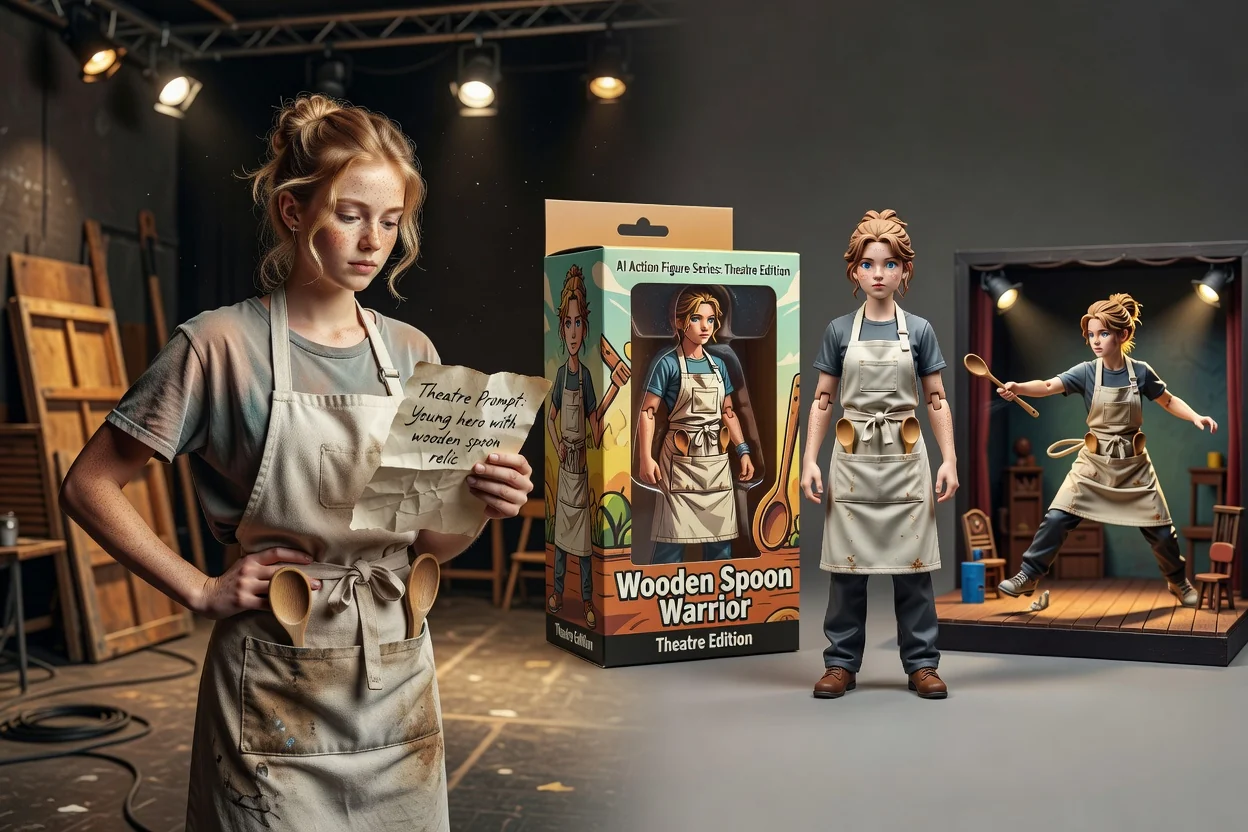
Define the character first, then add product and packaging details that support the same concept.
Name the character, outfit, pose, expression, toy material, scale, and visual style you want to see.
Specify props, nameplates, blister cards, window boxes, background art, or a clean product-display setup.
Create a focused batch, compare likeness and small details, then refine one part of the brief at a time.
Use the image workspace to keep the character, collectible format, and presentation direction in one brief.
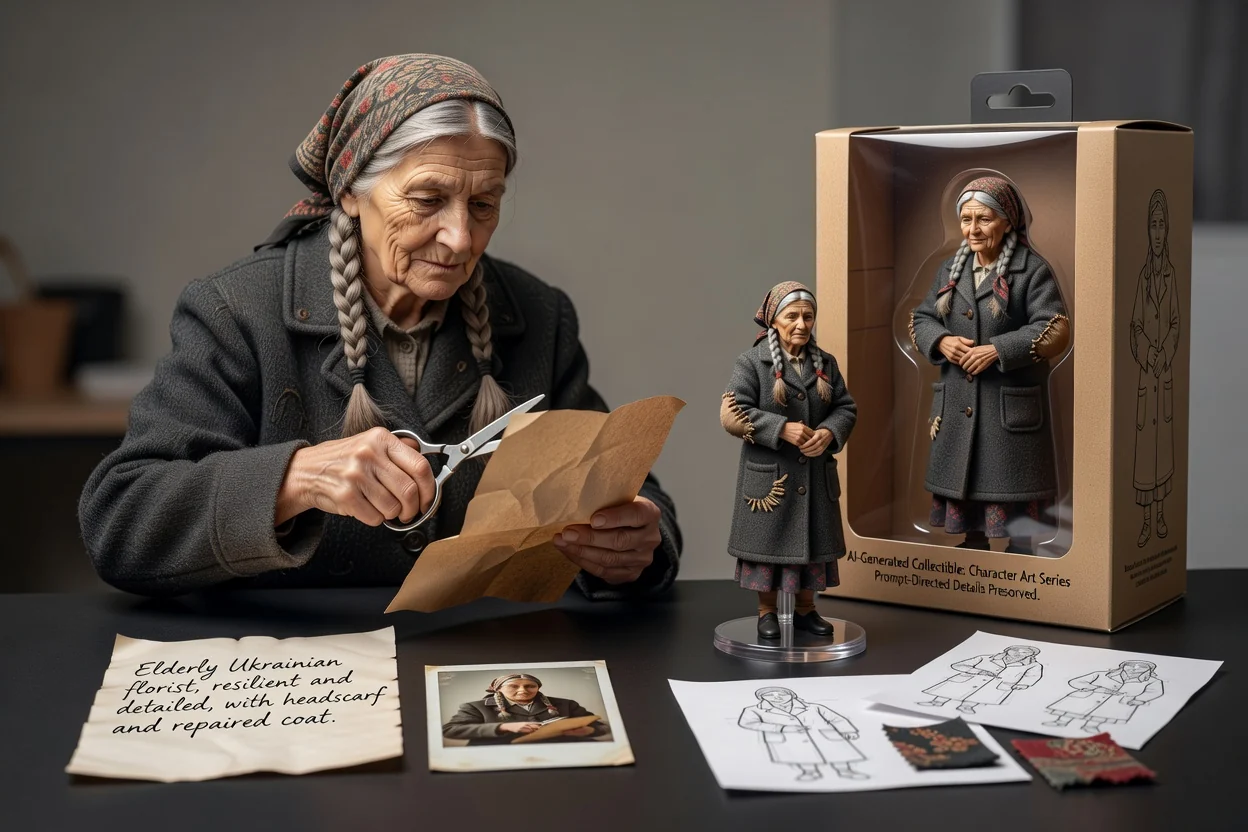
Start from a written character idea or a permitted reference image, then describe which visual details should remain recognizable.
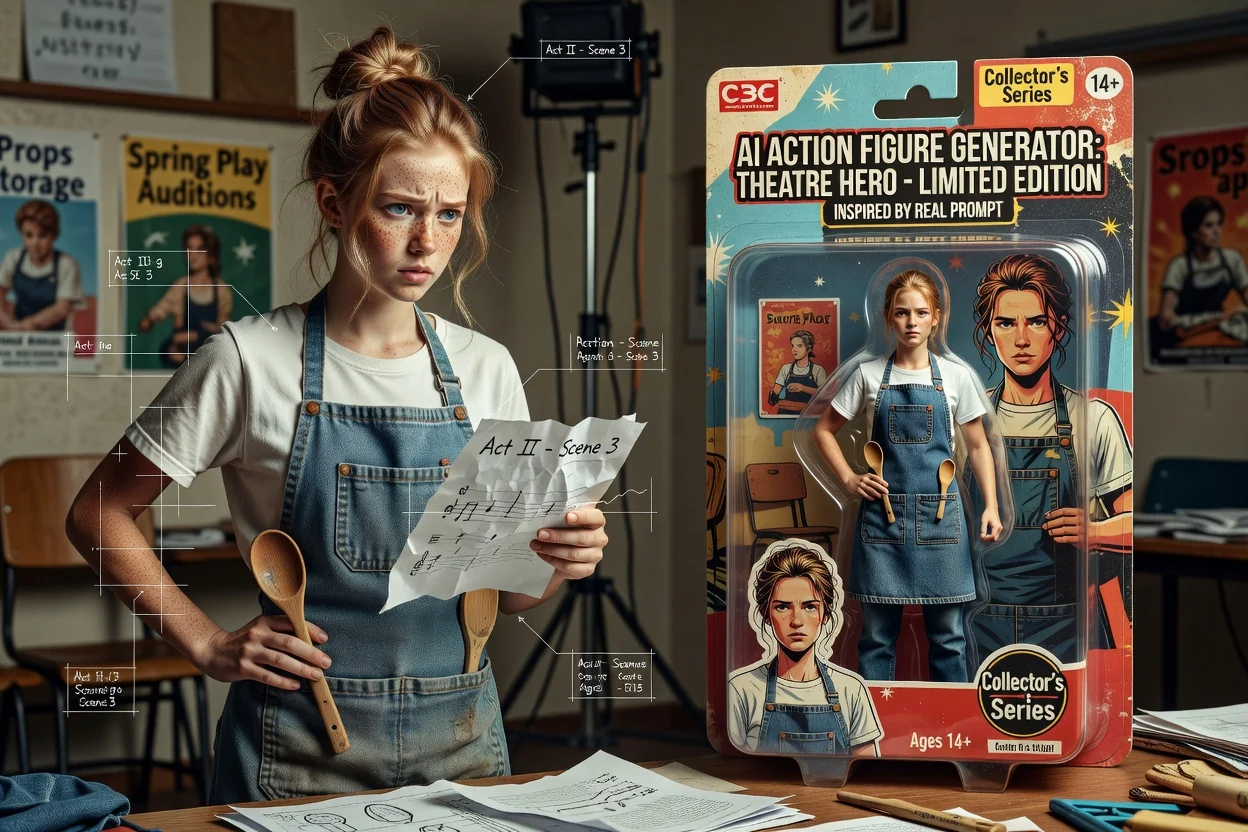
Explore blister-card, window-box, retro-toy, premium collector, or ecommerce packaging directions.
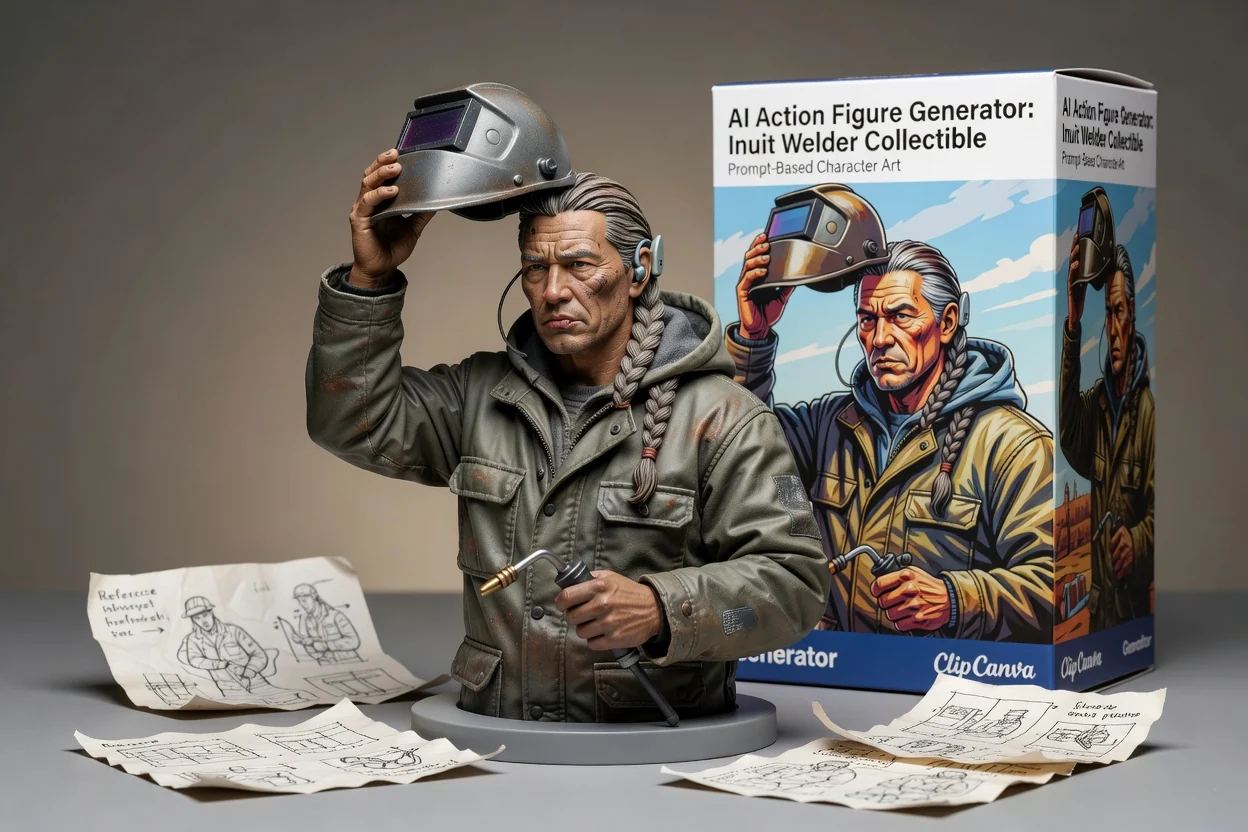
Direct the camera angle, studio lighting, background, accessories, and crop for a product-like figure render.
Build visual concepts for playful campaigns, collectible packaging, and early character development.
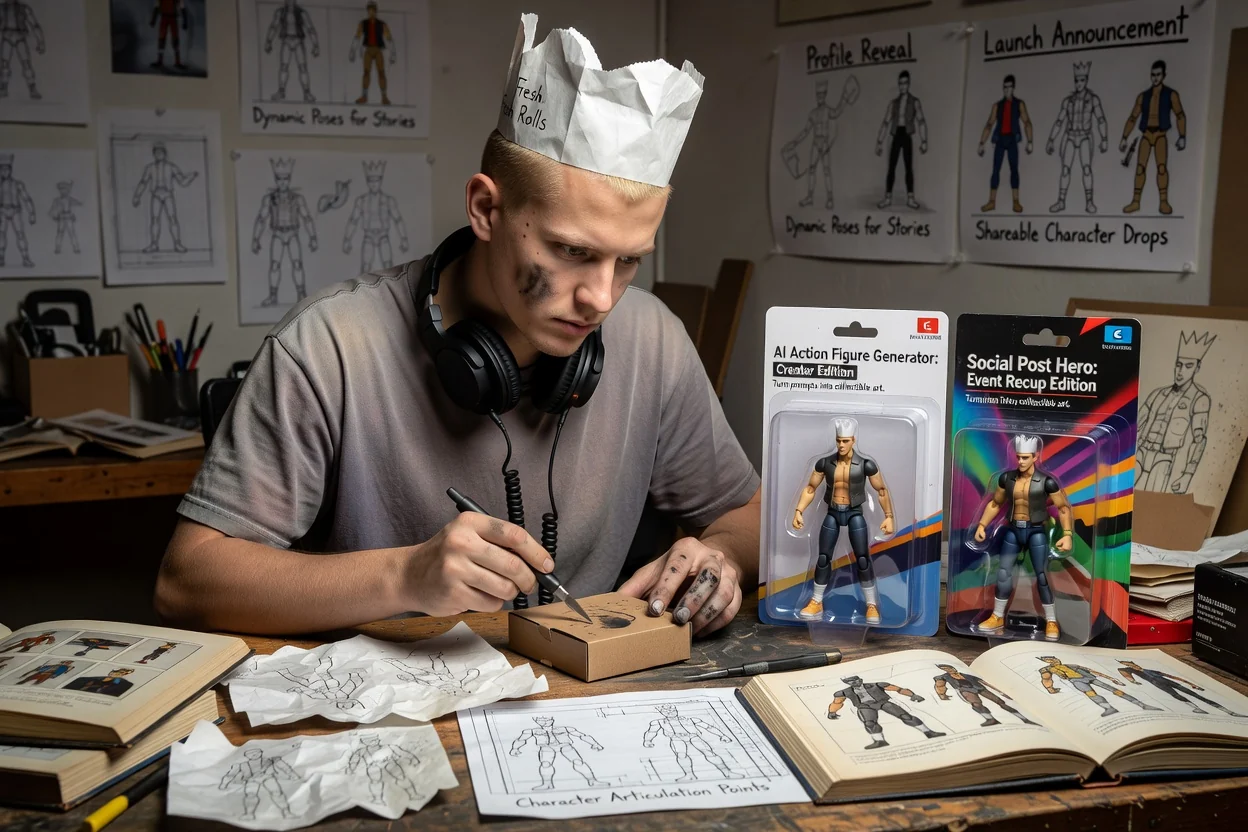
Create collectible-style portraits for profile reveals, event recaps, launches, and shareable social concepts.
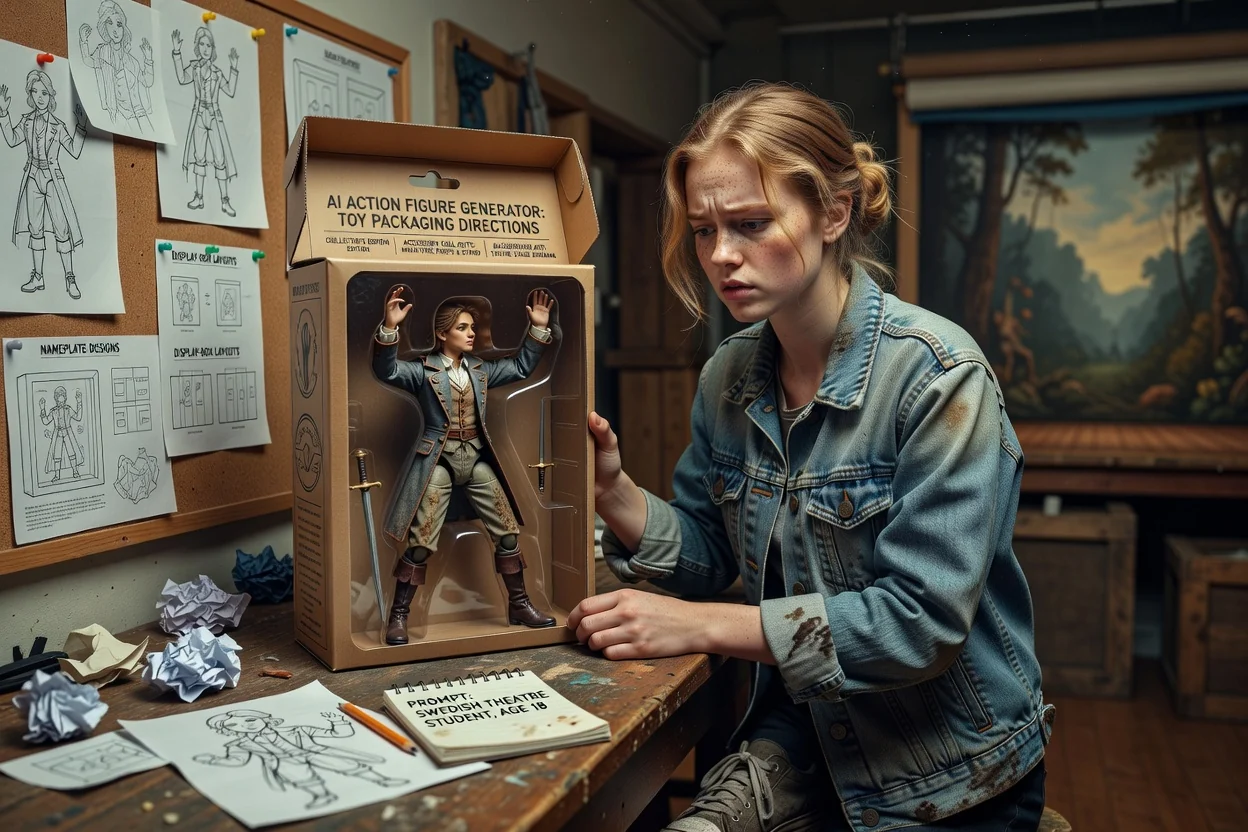
Explore nameplates, accessory callouts, collector labels, background art, and display-box layouts before production design.
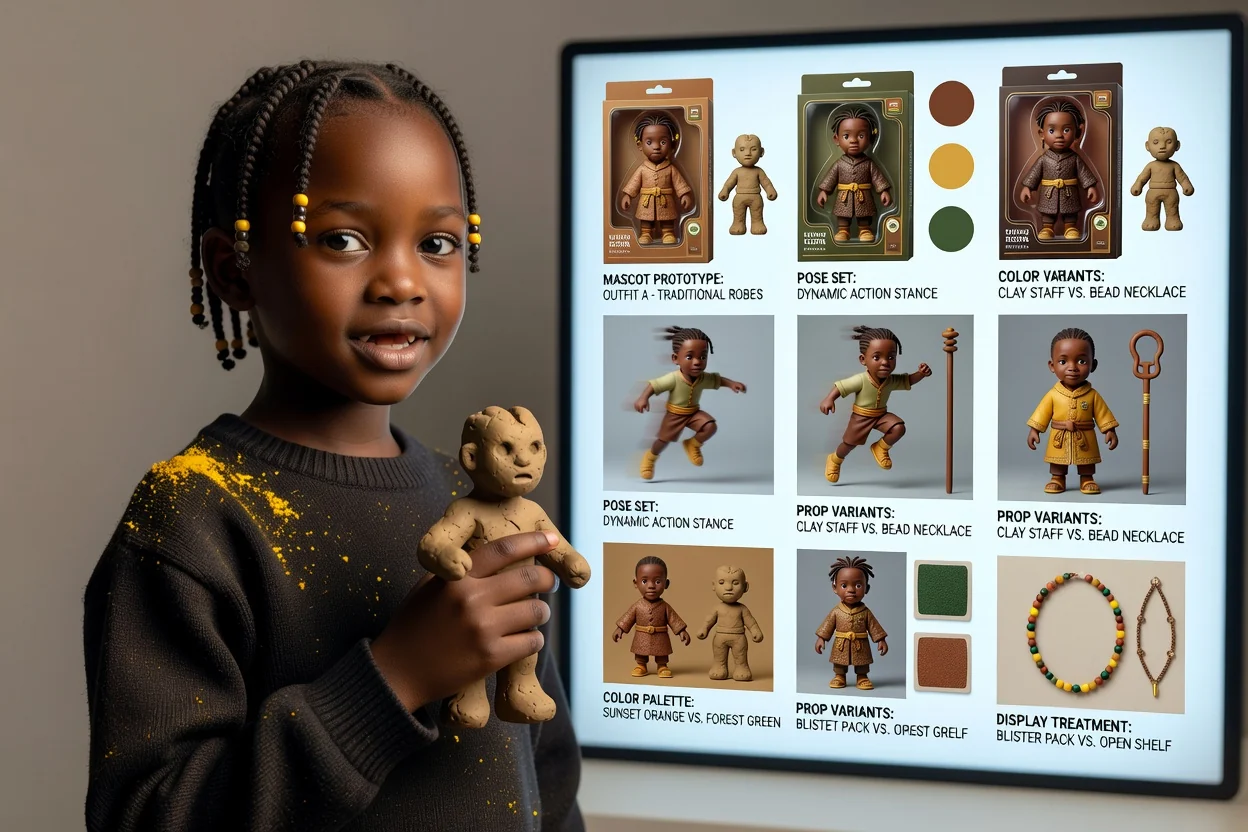
Compare outfits, props, poses, color palettes, and display treatments for a mascot or fictional character.
Collectible details can drift between generations, especially when a reference face, small label, or repeated accessory matters.
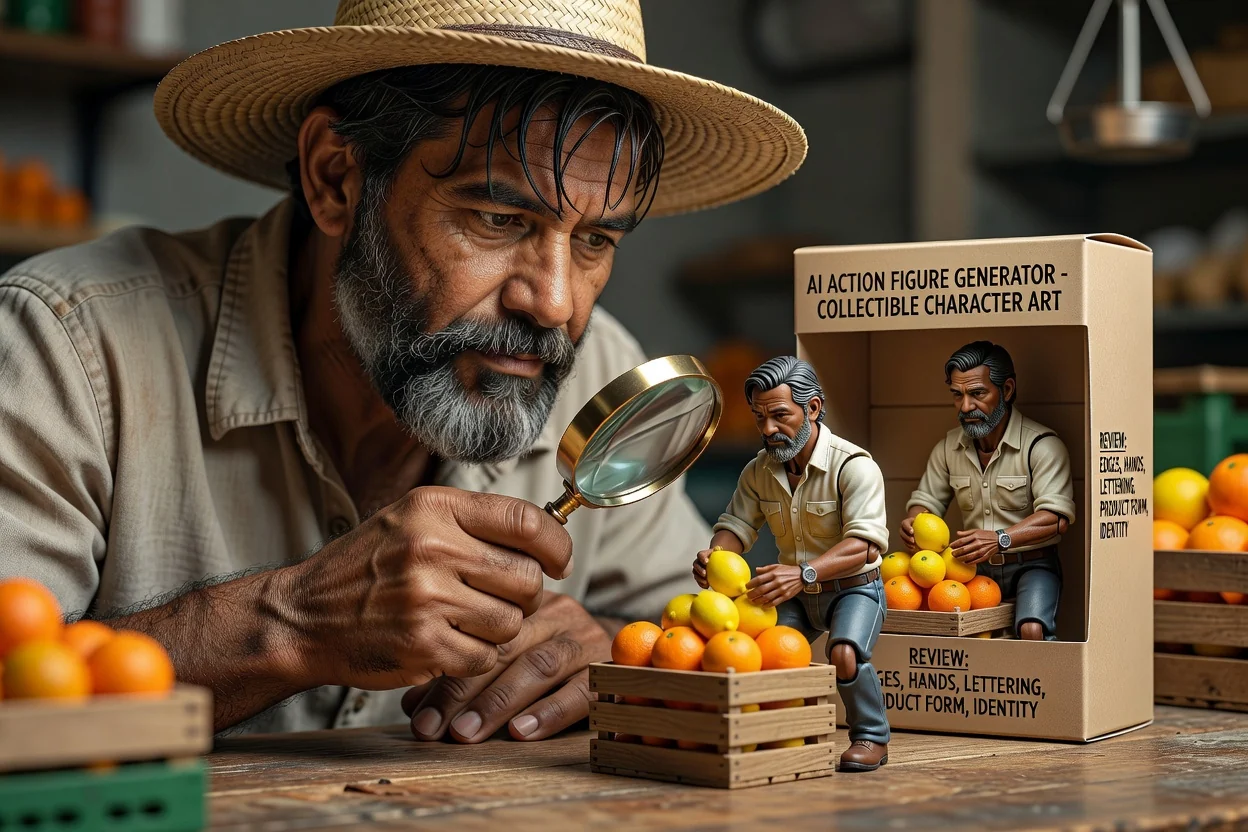
Compare the face, hair, outfit, proportions, and identifying details with the brief or permitted reference.
Zoom in on names, labels, logos, accessory lists, and small printed details before sharing the image.
Check hands, joints, props, repeated accessories, figure boundaries, and shadows for visible generation errors.
Confirm the crop, aspect ratio, safe area, and visual hierarchy for the intended post, mockup, or presentation.
The output is a visual concept, not a manufacturing specification or guaranteed representation of a real product.
A reference photo guides the result, but facial details and proportions may change across generated versions.
Packaging labels and accessory callouts can be misspelled, distorted, or inconsistent at small sizes.
Validate dimensions, materials, safety, trademarks, and manufacturability separately before producing a physical collectible.
Answers about references, packaging prompts, output review, and collectible concept images.
Describe the character, accessories, packaging, and presentation, then generate a small batch you can inspect and refine.