ClipCanva
Text to Video creation tool

Text to Video

Turn a written prompt into a short visual clip for a specific project. Use Text to Video to define the subject, setting, visual direction, and destination format before you create.

0 / 2000
  • Start from a text prompt
  • Guide subject, setting, and style
  • Prepare short video clips for your destination format
Definition

What Is a Text to Video?

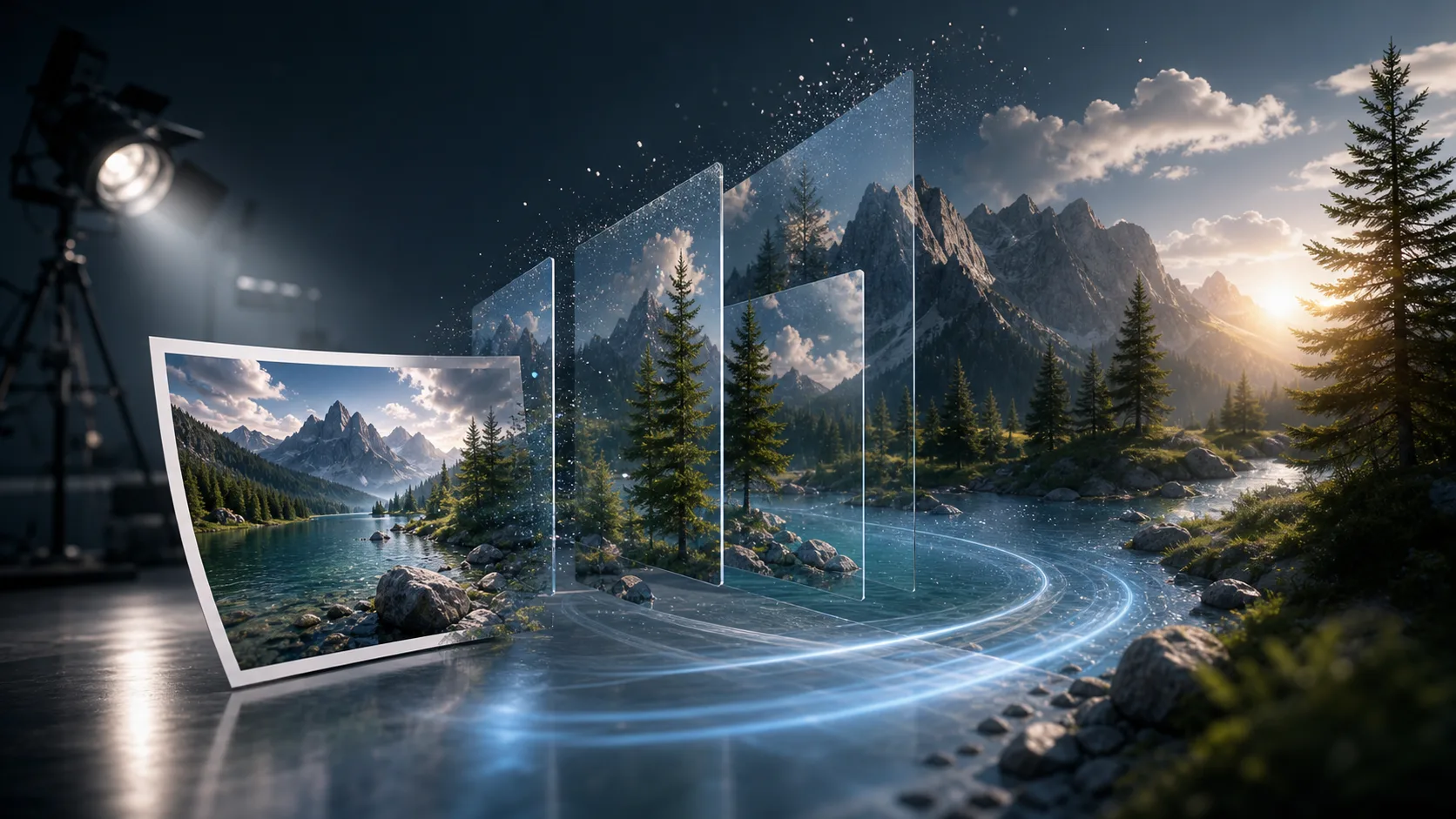
Text to Video converts a text prompt into short video clips. It is useful when you need a focused visual result guided by natural language, subject details, scene direction, and a target format.

Input
Text prompt
Output
Short video clips
Best for
Focused project visuals
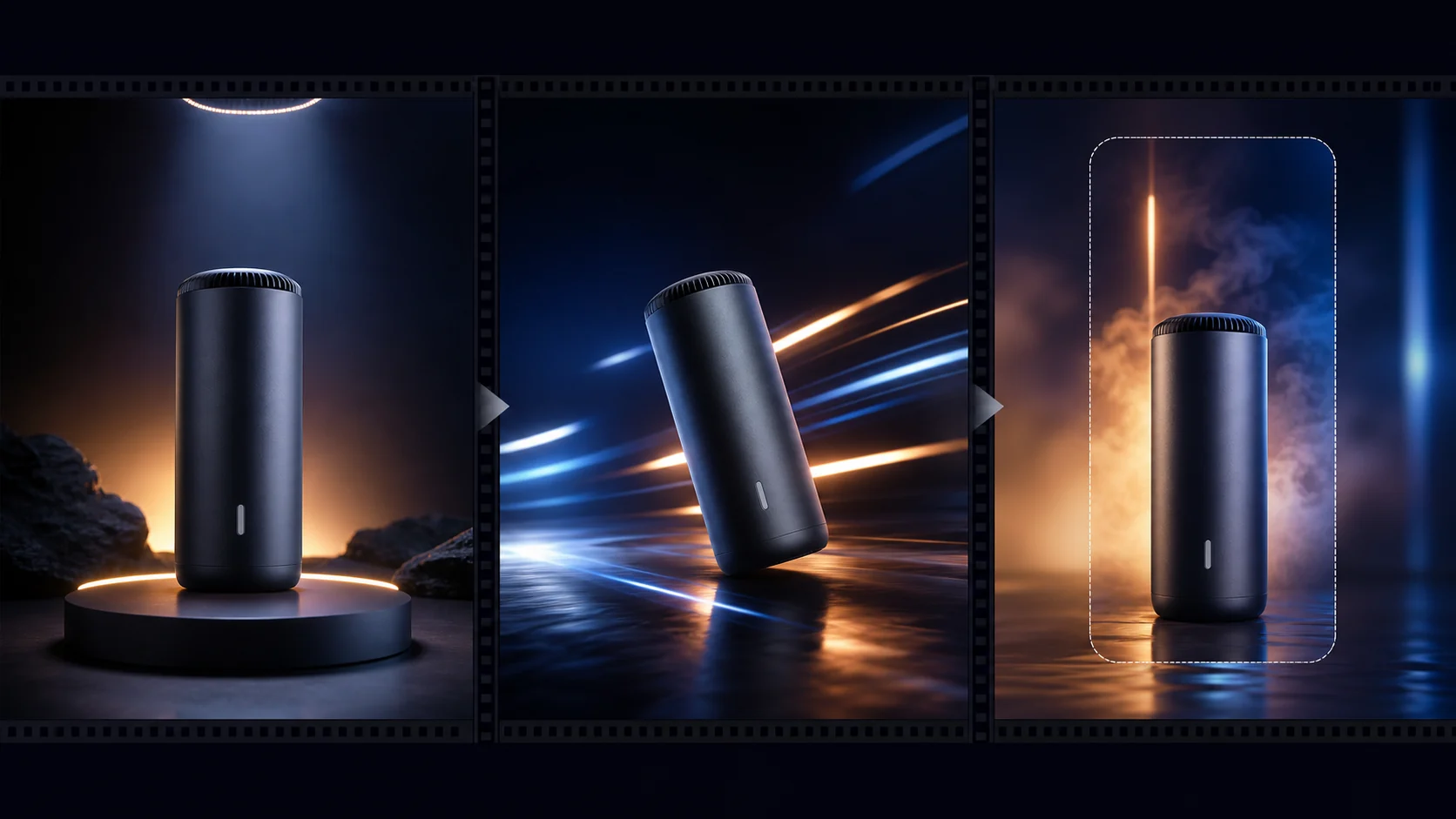
Planned text to video definition example
Example output

How to Use Text to Video

Create with Text to Video by starting with a prompt, refining the visual direction, and checking the generated clip against your project goal.

1

How to start a video prompt

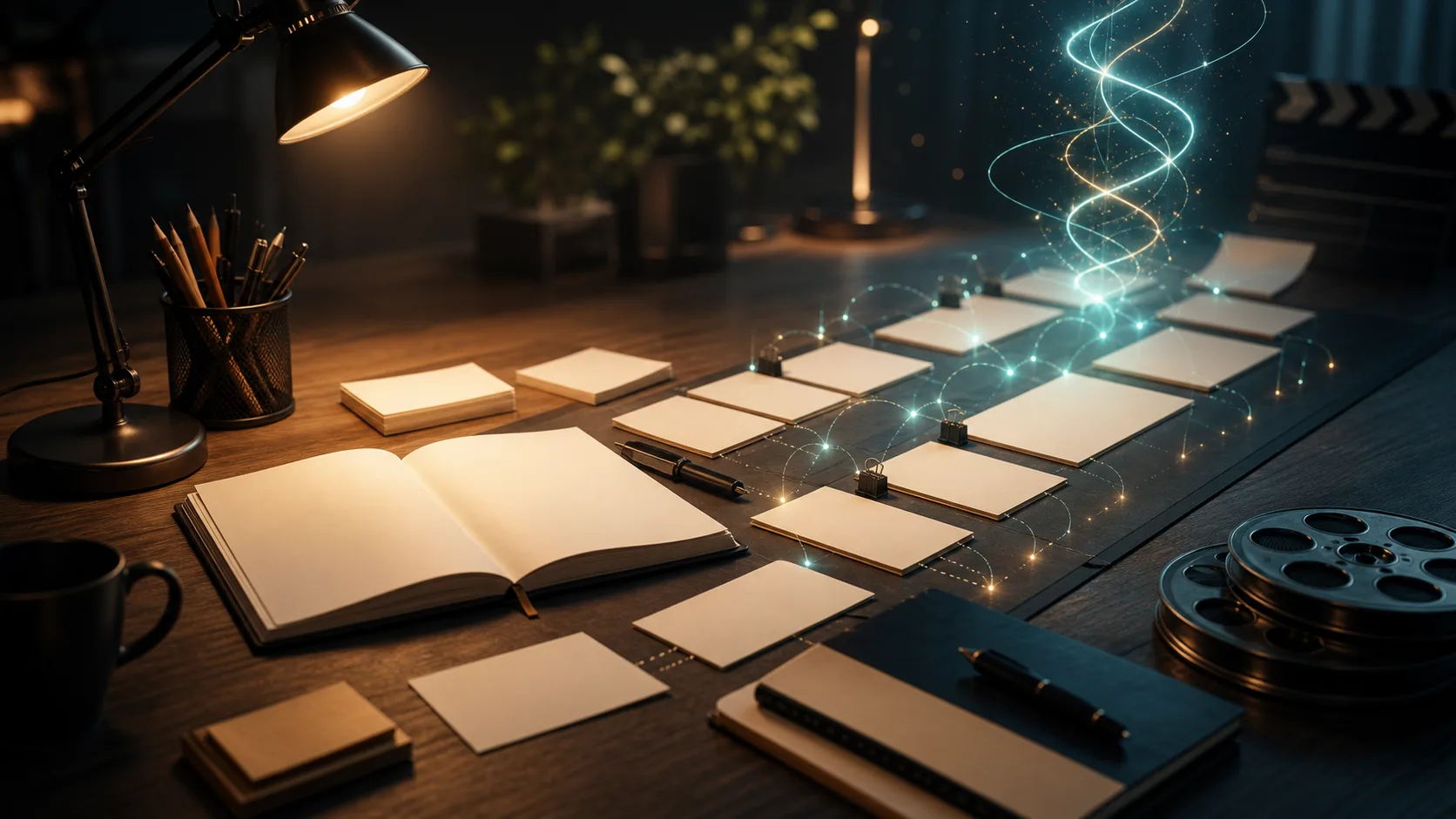
Write a clear prompt with the subject, setting, action, mood, and any details that must appear in the clip.

2

How to guide the video look

Add visual direction such as camera feel, environment, motion, pacing, or style so the request is easier to interpret.

3

How to finish the video result

Select the destination format you need, then inspect the result and adjust the prompt if the clip misses important requirements.

Text to Video Controls

Use a text to video AI generator to shape the video direction before creating. These controls help translate intent into a focused clip, while leaving room to inspect the result afterward.

Planned text to video capability input example

Direct the video subject and setting

Describe who or what should appear, where the scene happens, and the visual mood you want the clip to follow.

Planned text to video capability direction example

Shape the video from prompt details

Add motion cues, atmosphere, camera framing, or scene behavior so a prompt to video request has clearer creative guidance.

Planned text to video capability result example

Match the video destination format

Choose the intended crop or format early so the video result is easier to check against its final placement.

What You Can Create with Text to Video

Create video material from natural language when you need a fast visual direction for a campaign, concept, or scene idea. Each result should still be checked for fit before use.

Planned text to video use case one example

Create video from natural language

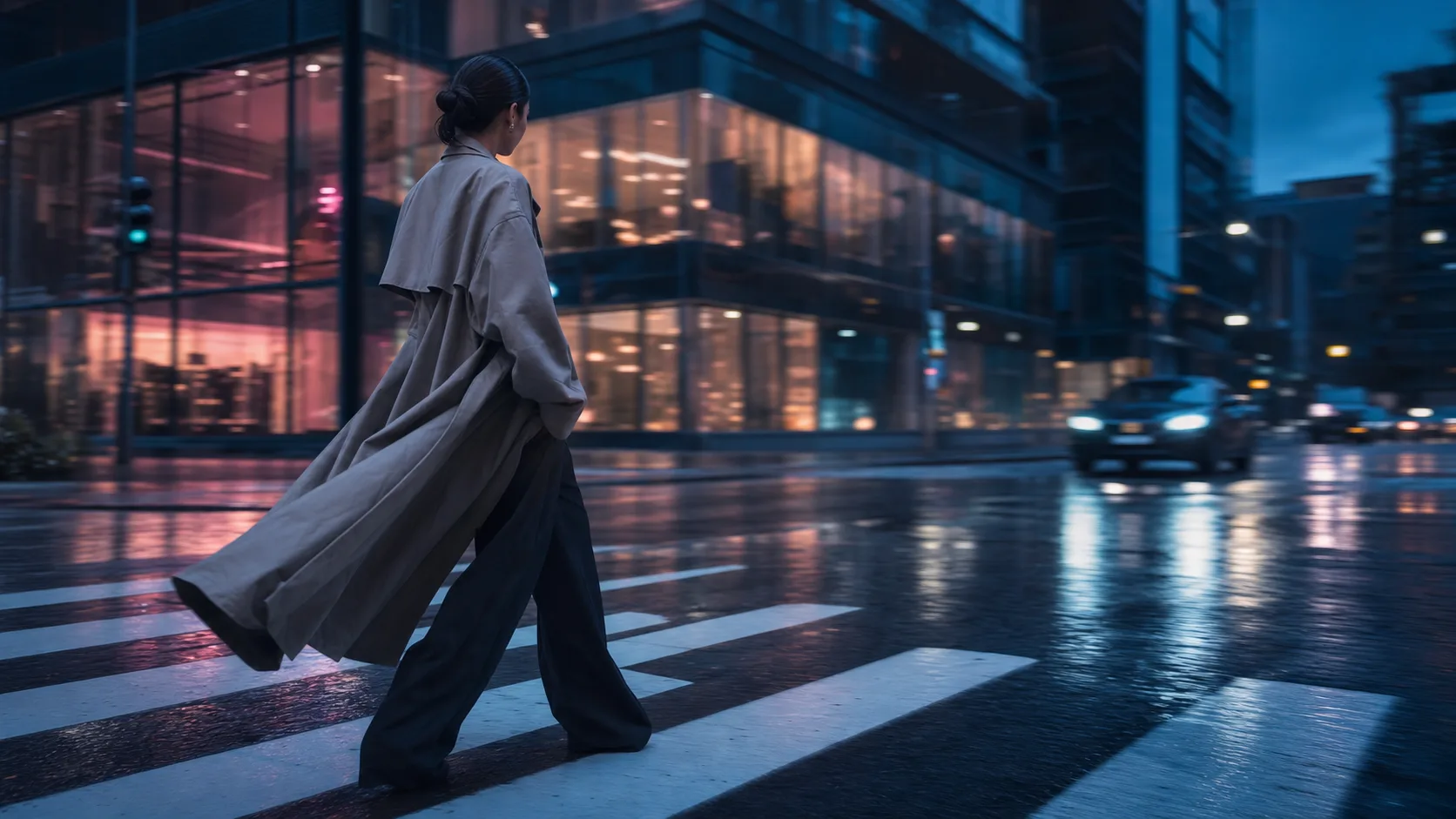
Turn a written scene idea into a short clip that communicates a concept, setting, or mood for your project.

Planned text to video use case two example

Create video physics simulation ideas

Use prompt to video direction to explore motion, cause and effect, or scene behavior for a visual explanation.

Planned text to video use case three example

Create video camera control concepts

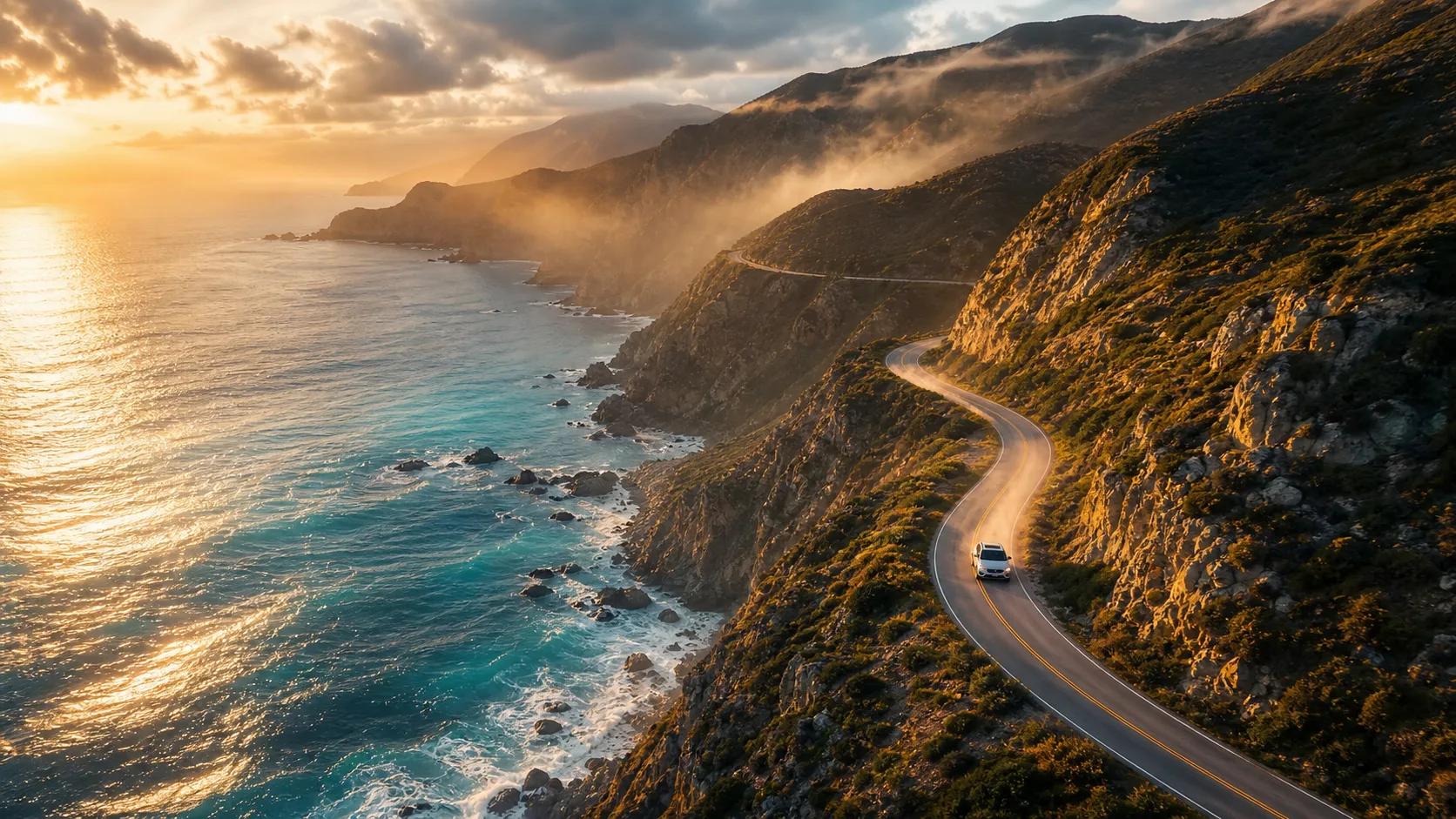
Describe framing, motion, or point of view to guide how the camera should feel in the finished clip.

Review Text to Video Results Before Use

Review the generated video before using it in a project. Focus on whether the clip matches the brief, preserves key details, and fits the destination crop or format.

Planned text to video review example

Check video brief fit

Compare the clip with the original brief, including the main subject, setting, mood, and intended use.

Inspect video details

Look closely at important details such as objects, action, framing, and any visual elements the project depends on.

Confirm video format fit

Confirm the crop, aspect, and destination format are suitable before moving forward with the result.

Text to Video Limitations

These video boundaries help set expectations before you create. Generated results can vary, and important details may need close inspection before you decide whether the clip fits.

Variable video results

The same idea can produce different visual interpretations, especially when the prompt leaves the subject, setting, or motion open-ended.

Important video details need inspection checks checks checks checks checks check

Text, faces, small objects, or specific actions may need careful checking if they are central to the brief.

Text to Video FAQ

Answers to common questions about Text to Video, prompt setup, result checking, and usage expectations.

What is Text to Video?
Text to Video creates short video clips from a written prompt. You describe the subject, setting, movement, and visual direction, then check the result against your project brief.
What should I include in my prompt?
A detailed prompt usually helps. Include the subject, setting, key action, mood, and any destination format requirements so the text to video AI generator has clearer direction.
Why should I check the result?
Prompt to video results can vary, so check important details before using the clip in a project. Adjust your wording if the first result does not match the brief closely enough.
Is Text to Video free to use?
Any free availability depends on the current product experience shown in the creation flow. This page does not make a separate free-use promise.

Create with Text to Video

Write your prompt, set the direction, and create with Text to Video for a short clip that fits your project goal.