01
Upload the Photo
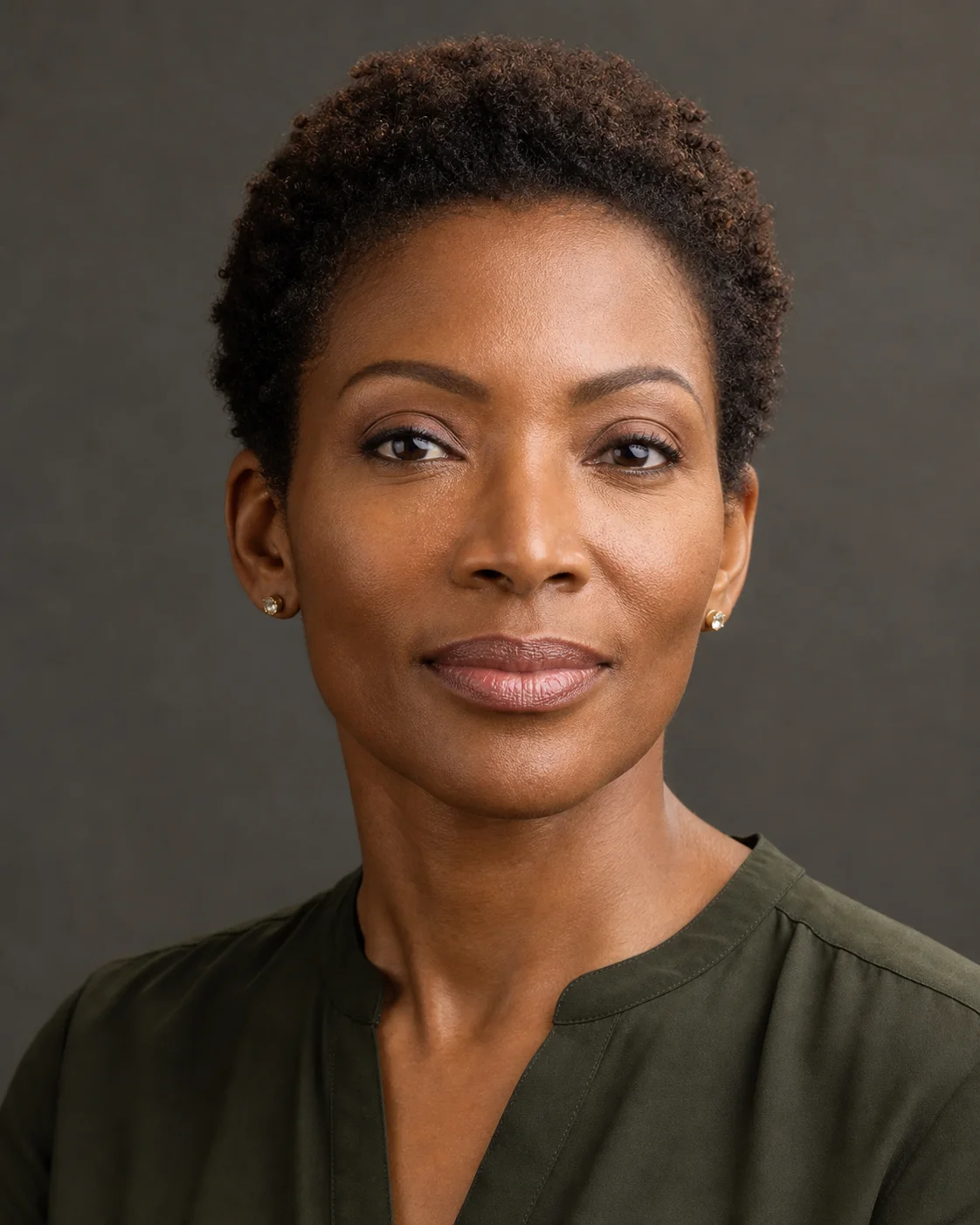
Use an image you own or may edit, preferably with a sharp face and visible eyebrows and surrounding facial landmarks.
Repair a blink while keeping the person, expression, gaze direction, pose, lighting, and event moment recognizable. The eyes are generated as a plausible reconstruction.
Describe the intended gaze and protect the surrounding face, pose, and photographic context.



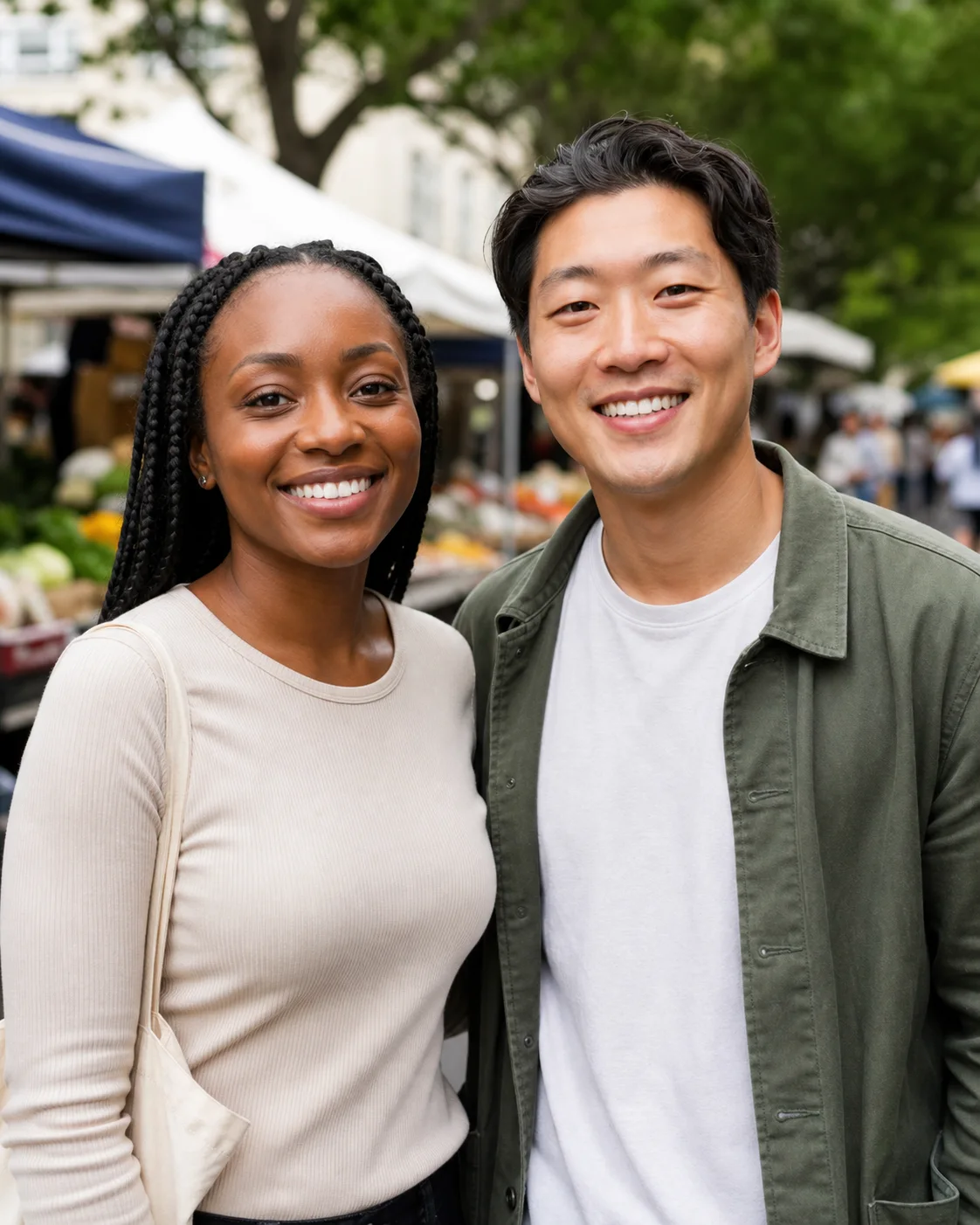
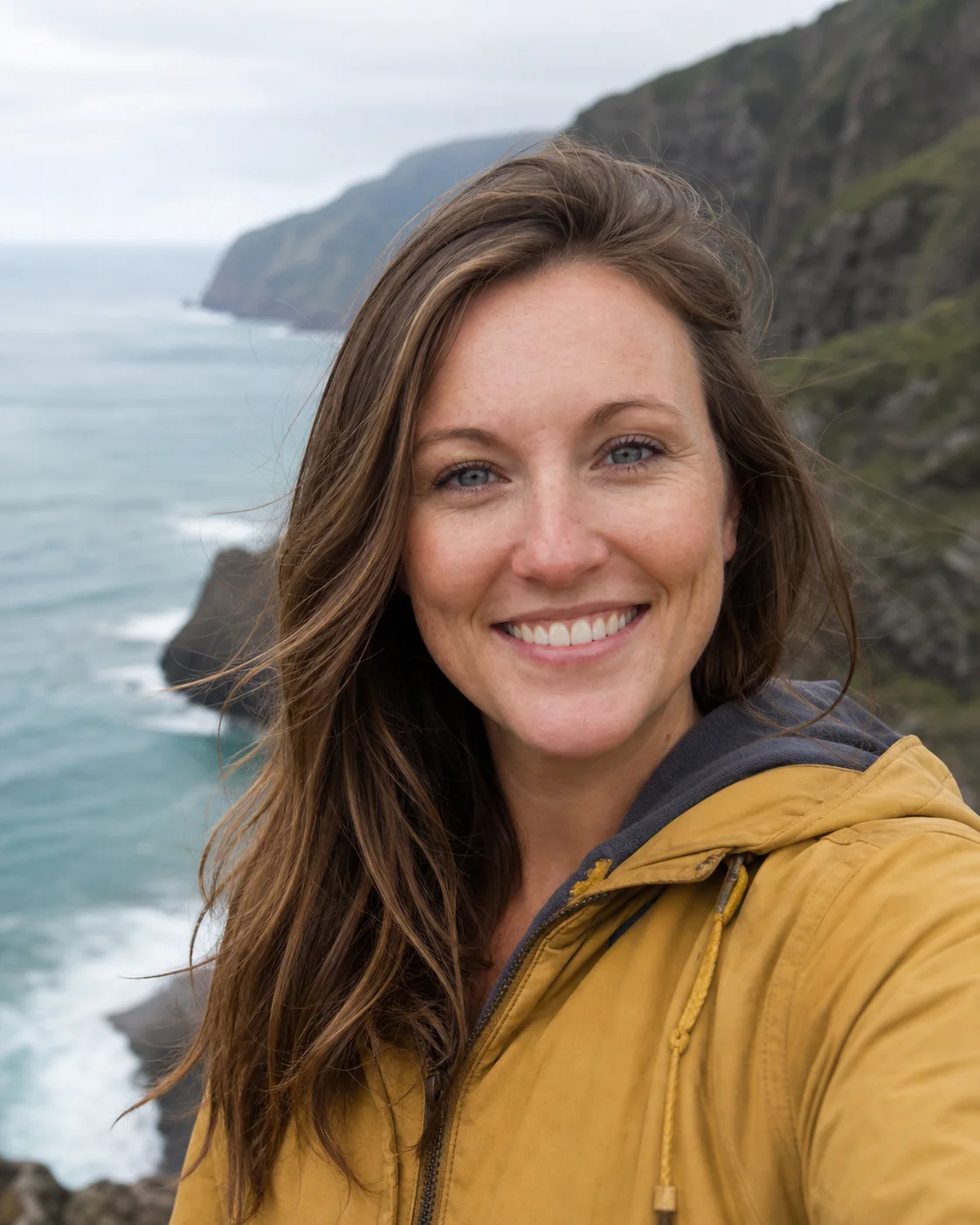
Choose a sharp face, state the gaze and preservation details, then compare the result carefully.
Use an image you own or may edit, preferably with a sharp face and visible eyebrows and surrounding facial landmarks.
Identify the person, name the affected eye or eyes, set the gaze, and list the expression, pose, lighting, and background details to preserve.
Inspect iris direction, eyelids, catchlights, eyebrows, facial symmetry, and identity. Revise if the reconstructed gaze feels unnatural.
Describe whether the person should look toward the camera, slightly left or right, or in the same direction as nearby subjects.
Keep face shape, eyebrows, cheeks, smile, head angle, hairstyle, and skin texture recognizable.
Specify that other people, clothing, hands, props, scenery, lighting, and framing should remain unchanged.
AI creates plausible eye detail from visible context. It cannot recover or prove the exact hidden appearance from the moment the photo was taken.
Upload a photo and guide a careful eye reconstruction that preserves the person and moment.