Photo to Painting Converter

Photo to Painting Converter

Upload a clear photo and turn it into painting-style artwork with visible brushwork, richer color, layered texture, and an art-gallery feel while keeping the subject recognizable.

AI photo to painting result hero image
0 / 2000
Template prompt

Photo to Painting Converter

Apply the Photo to Painting effect to the uploaded image. Preserve the main subject identity or object shape, pose/layout, key colors, and composition. Convert the photo into a painting-style artwork with visible brushwork, richer color, layered texture, refined light and shadow, canvas-like surface detail, and gallery-ready finish. Keep the uploaded subject recognizable through the painting style.

AI photo to painting result hero image

What is the Photo to Painting Converter?

The Photo to Painting Converter transforms a regular image into painterly artwork inspired by oil, acrylic, or watercolor techniques. It is designed for portraits, product shots, pet photos, landscapes, and creative references where you want richer color, visible brushwork, canvas-like surface detail, and a finished art direction without losing the original composition.

How the photo is transformed

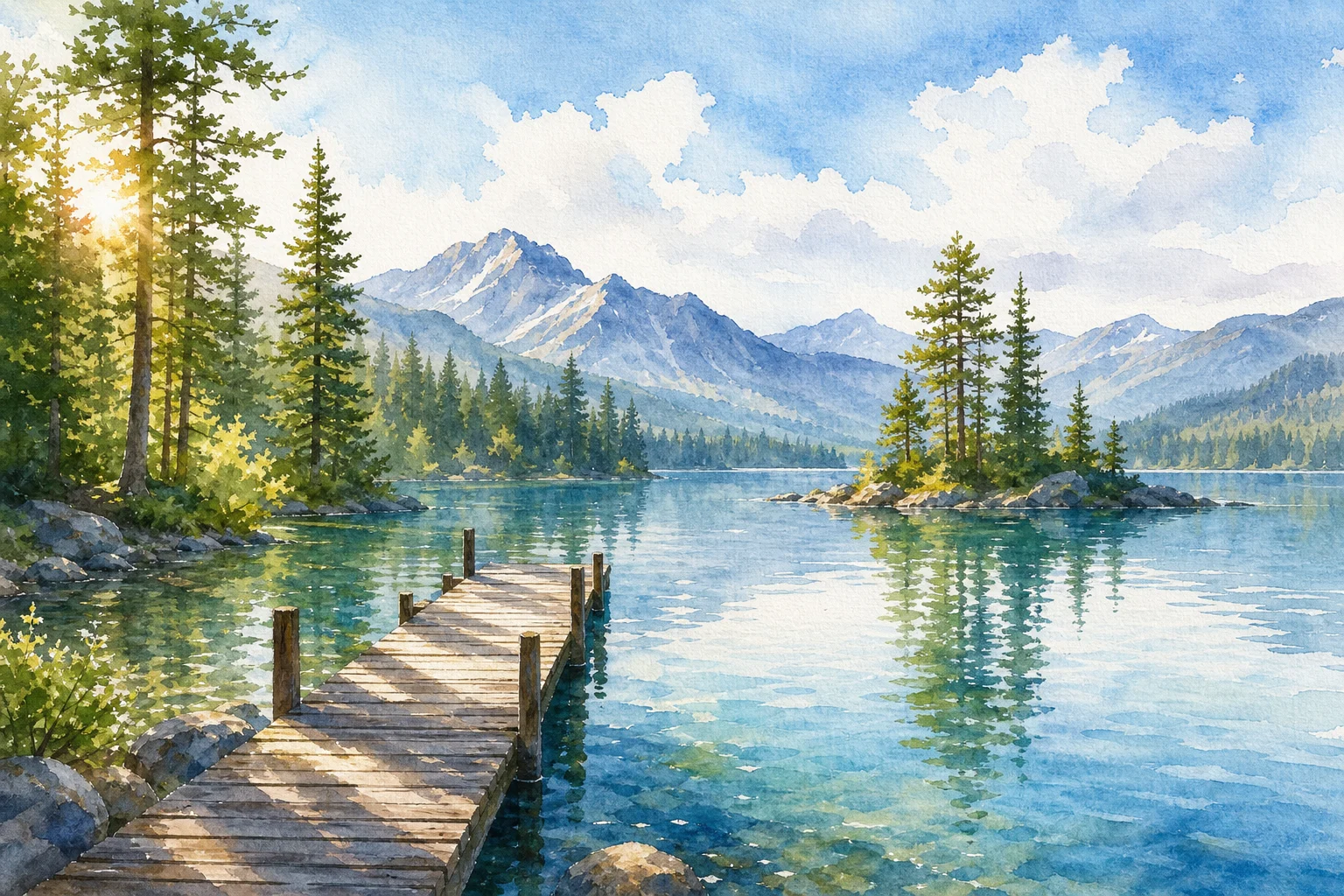
The effect shifts the surface, color, and lighting of the image toward a painterly artwork while retaining the recognizable structure of the original photo.

What changes

  • Turns the uploaded photo into painting-style artwork with visible brushwork, richer color, layered texture, and a gallery-inspired finish.
  • Adds oil, acrylic, or watercolor-inspired texture while preserving the subject shape, composition, and key colors.
  • Refines light and shadow so the image feels more like a finished artwork than a plain photo.
  • Creates a visual draft suitable for posts, mockups, references, presentations, or client direction reviews.
What stays recognizable

  • Preserves the main subject identity or object shape, pose, layout, key colors, and composition.
  • Keeps the uploaded subject recognizable through the painting style.
  • Maintains the overall silhouette and important subject details when the source image is clear.
  • Keeps defining colors, pose, framing, and background relationships coherent.

Photo to painting workflow

Follow a simple flow to create a painterly version of your image and check that the final artwork still matches the source.

1

Upload a clear photo

Select a sharp photo where the main subject, pose, defining colors, and composition are easy to understand.

2

Choose the painting effect

Apply the Photo to Painting Converter effect and choose the visual direction that best fits your project, such as oil, acrylic, or watercolor-inspired texture.

3

Review the result

Check the subject identity, silhouette, key details, brushwork, color harmony, and background transitions before using the image.

4

Refine if needed

If details look unclear, try a sharper source image or add more specific style notes, then create another version for comparison.

Photo to Painting Converter style variations

Explore different painterly treatments, from bold texture to softer color blending, while keeping the source subject recognizable.

AI photo to painting result 1

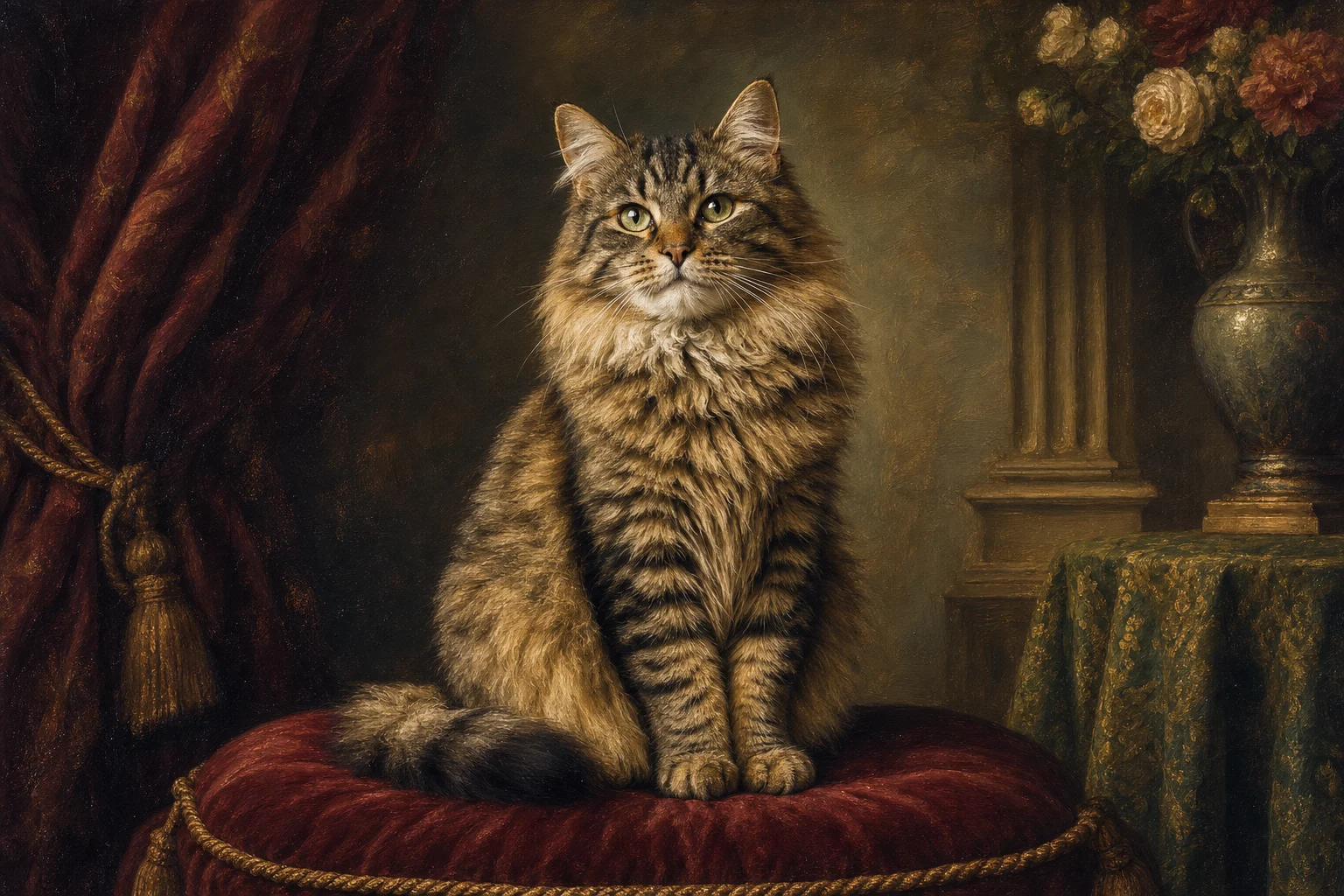
Classic painted portrait look

A rich painting-style result with visible brushwork, stronger color, and a composed gallery-like finish.

AI photo to painting result 2

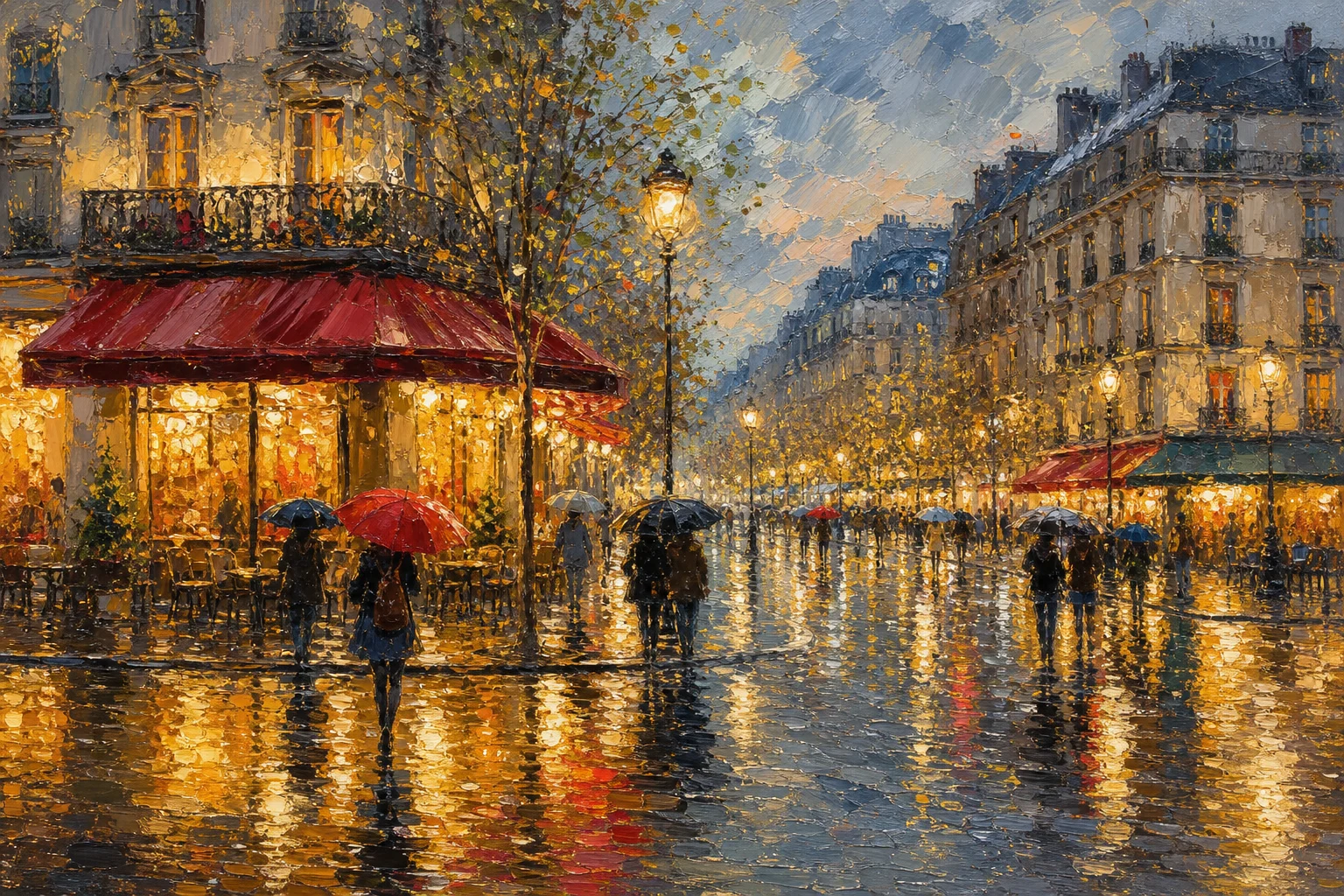
Layered brushwork finish

A textured interpretation that emphasizes layered strokes, refined lighting, and expressive surface detail.

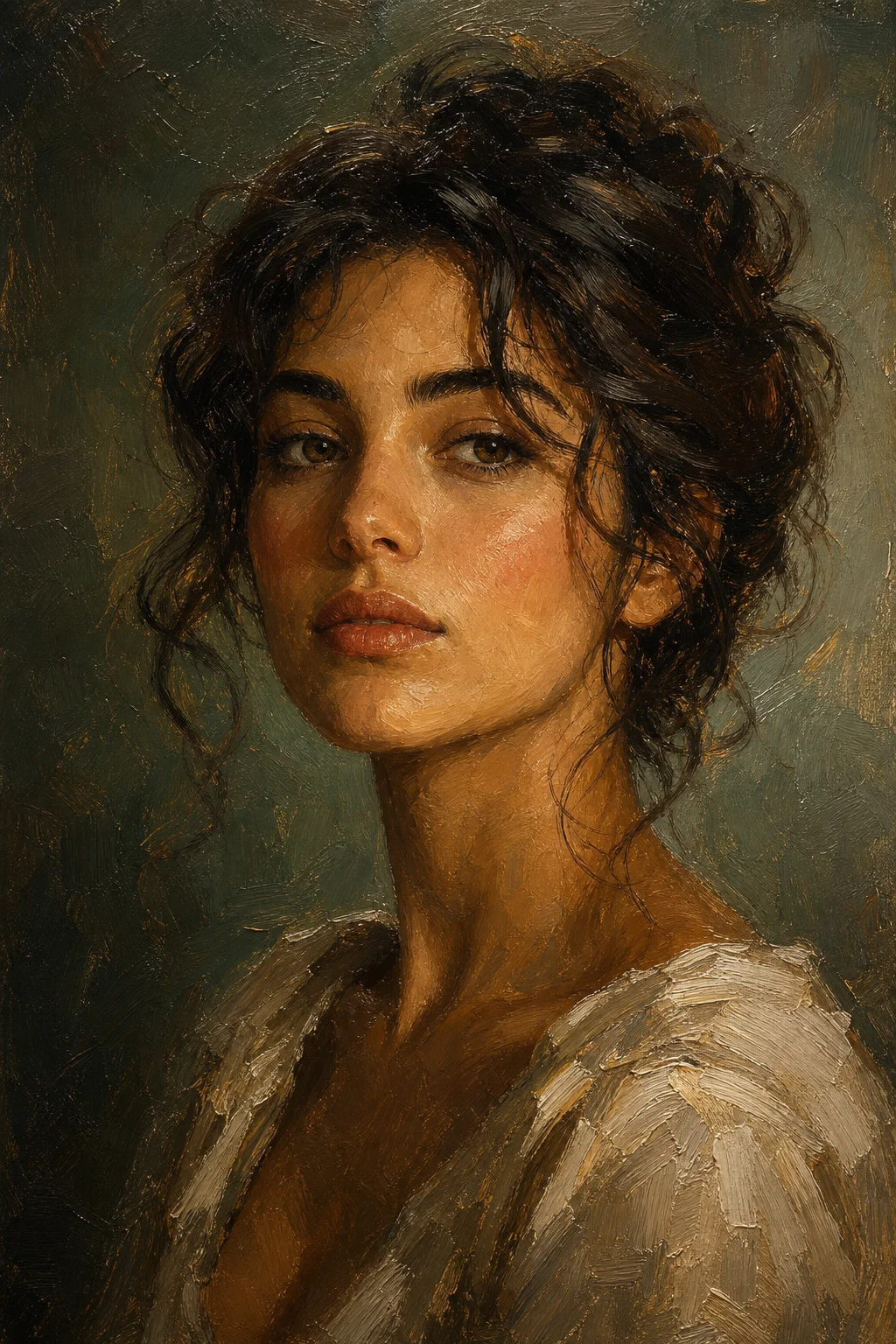
AI photo to painting result 3

Gallery-style color treatment

A more polished artwork direction that balances recognizable subject details with richer painterly color.

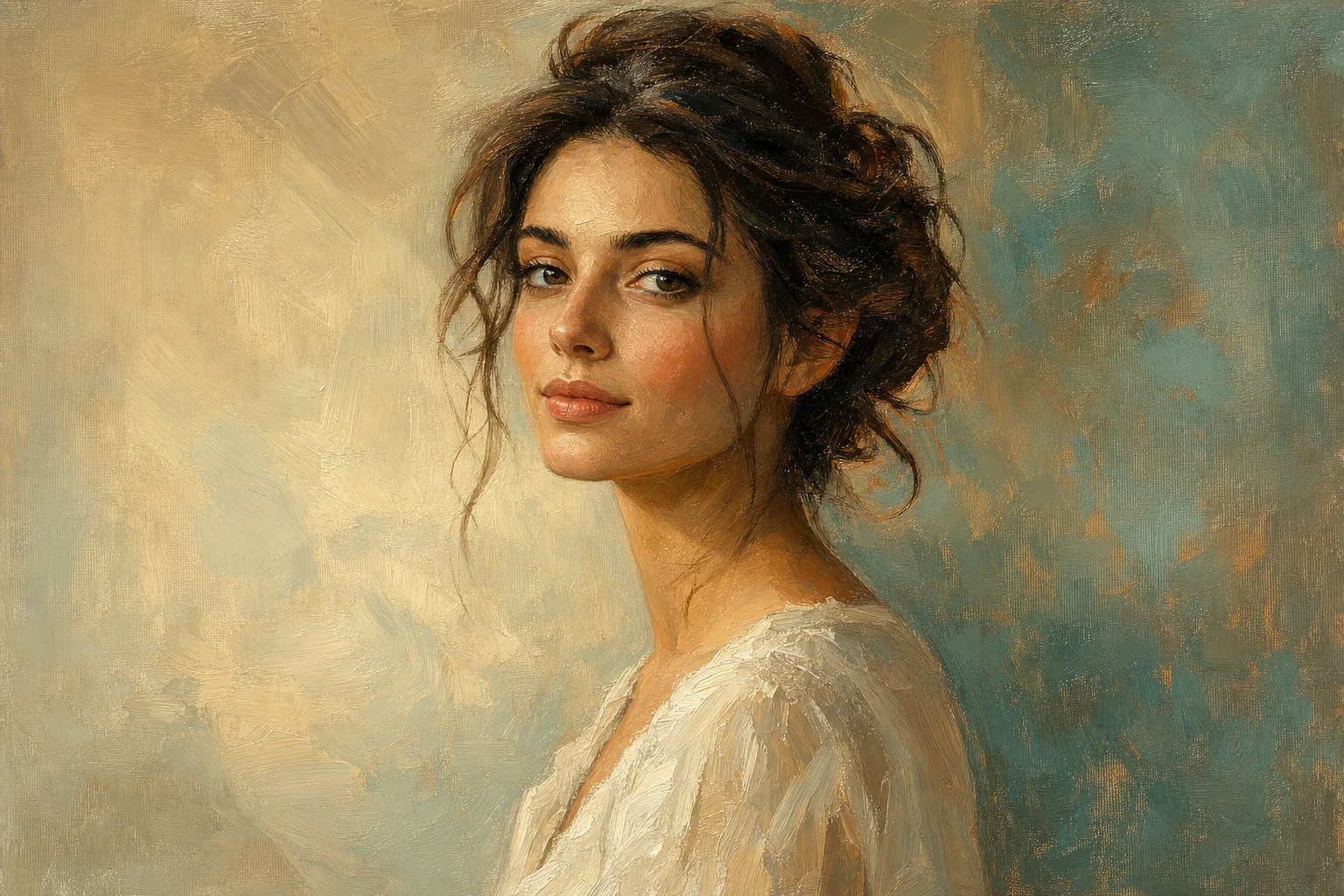
AI photo to painting result 4

Soft artistic reinterpretation

A creative photo to painting variation for comparing mood, texture strength, and background softness.

Ways to use photo to painting results

Use the template when you need a fast painterly direction from an existing image while keeping the original subject and composition intact.

Create a first version fast

Turn a portrait, pet photo, product image, or landscape into a first painterly version for quick creative review.

Adapt the style to your project

Test oil, acrylic, or watercolor-inspired looks to see which treatment best fits a post, mockup, reference, or presentation.

Create another version

Generate another version with clearer style notes if you want a softer finish, stronger brushwork, warmer lighting, or more dramatic color.

Preview a creative direction

Make a focused Photo to Painting Converter preview for a personal artwork idea, mood board, or creative concept.

Compare before refining

Compare the painterly result with the original image before refining, sharing, or presenting the visual direction.

How to get a better painting result

A strong source image gives the effect enough visual information to preserve identity, pose, silhouette, and important details while adding painterly texture.

Source image checks

  • Use a sharp source image with the main subject clearly visible.
  • Avoid heavy blur, blocked details, extreme crops, or confusing overlaps.
  • Choose a source whose pose and framing support the intended Photo to Painting Converter result.

Prompt guidance

Describe the painting medium and finish you want, such as oil painting with thick brushwork, soft watercolor texture, or acrylic color depth. Include mood, lighting, background treatment, and any subject details that must remain clear.

Review checklist

Before downloading or using the image, check that the painting style improves the photo without obscuring the details that matter most.

Subject recognition

Compare the result with the original photo to make sure the subject identity, pose, silhouette, and defining features still read clearly.

Painterly consistency

Look for brushwork, richer color, layered texture, and a coherent painting finish across both the subject and background.

Detail cleanup

Inspect faces, hands, text, edges, small objects, and background transitions, since these areas can reveal artifacts or unclear details.

Final review

Generated details can vary between attempts, so review the image before sharing, presenting, or using it as a project reference.

Photo to Painting Converter FAQ

Answers to common questions about preparing a source image, choosing a painterly look, and reviewing the finished result.

What is the Photo to Painting Converter?
The Photo to Painting Converter is a template for turning an uploaded photo into painting-style artwork. It adds brushwork, richer color, layered texture, refined light and shadow, and a gallery-inspired finish while keeping the main subject recognizable.
Is the Photo to Painting Converter free?
Availability and access can change, so check the current ClipCanva interface for the latest options before starting your edit.
How do I use the Photo to Painting Converter?
Upload a clear image, choose the Photo to Painting Converter effect, and review the result. If the subject, edges, or small details need improvement, try a sharper source image or a more specific description of the painting style you want.
What image formats does the Photo to Painting Converter support?
Use a common image file that ClipCanva accepts in the upload flow. For best results, choose a sharp photo with the main subject, important colors, pose, and composition clearly visible.
Can I use painting-style artwork commercially?
Usage permissions can depend on the source image, the project, and the platform terms. Review the relevant rights for your uploaded photo and intended use before using the painting-style artwork in commercial work.
What details should I include for Photo to Painting Converter?
Mention the desired painting medium, such as oil, acrylic, or watercolor, along with mood, lighting, color intensity, and how much texture you want. Also note any important features that must stay recognizable.
What makes Photo to Painting Converter useful?
It helps you quickly explore an art-gallery direction from an existing photo. You can create a first version, compare a visual direction, make references for a project, or prepare a more expressive image for sharing or presentation.
What Photo to Painting Converter changes?
It changes the photo surface into painterly texture, strengthens color and lighting, and adds brushwork. It should preserve the subject identity, object shape, pose, layout, key colors, and overall composition.

Create a painting-style version of your photo

Choose a clear photo, apply a painterly direction, and review the result for subject accuracy, texture quality, color harmony, and clean details.