
What changes
- The original clothing becomes a coordinated hanbok outfit
- Fabric volume, ties, trim, and optional traditional accessories are reconstructed
Upload a clear portrait and preview the same person in a respectful hanbok look, with a structured jeogori, chima or baji, balanced fabric volume, clean ties, and restrained traditional accessories while keeping the original pose, lighting, and background recognizable.
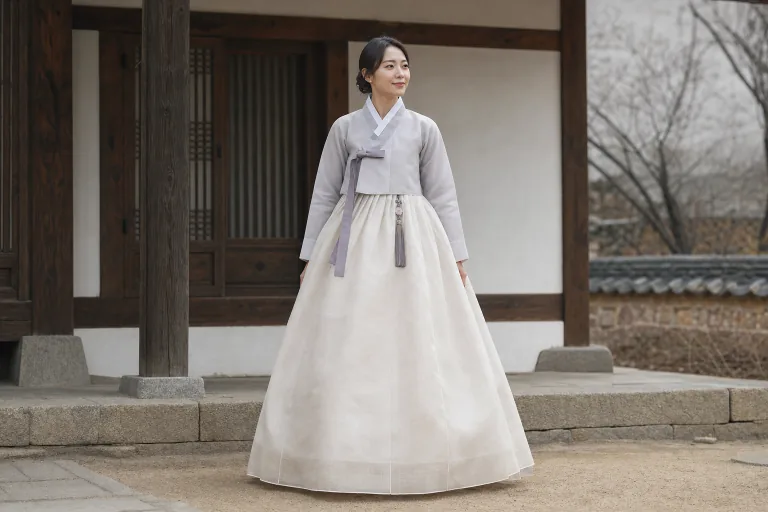
Preview hanbok on your photo with a structured jeogori, chima or baji, balanced volume, clean ties, and optional restrained details such as a norigae. Preserve the same person, face, body proportions, pose, lighting, camera angle, and background. Change only the clothing and coordinated accessories.
Hanbok Try-On is a portrait transformation template for previewing traditional Korean clothing on a personal photo. It changes the visible outfit into a coordinated hanbok while preserving the person’s face, body proportions, hairstyle, pose, camera angle, lighting direction, background, and overall composition.
This template focuses on changing the visible outfit into a respectful hanbok concept while keeping the portrait itself stable and recognizable.
Use a simple portrait-to-preview process: choose a suitable source image, define the hanbok direction, then review the clothing and portrait consistency.
Select a clear waist-up or full-body portrait with the face, shoulders, arms, and clothing boundaries visible. Avoid heavy foreground objects that cover the torso or hands.
Specify the desired hanbok look, such as jeogori structure, chima or baji, color palette, trim, ties, sleeve volume, and optional restrained accessory details.
Check that the clothing reads as hanbok, the hands and ties remain coherent, and the person’s identity, pose, lighting, and background are preserved.
Explore different hanbok preview directions while keeping the same identity, pose, lighting, and background as the source portrait.
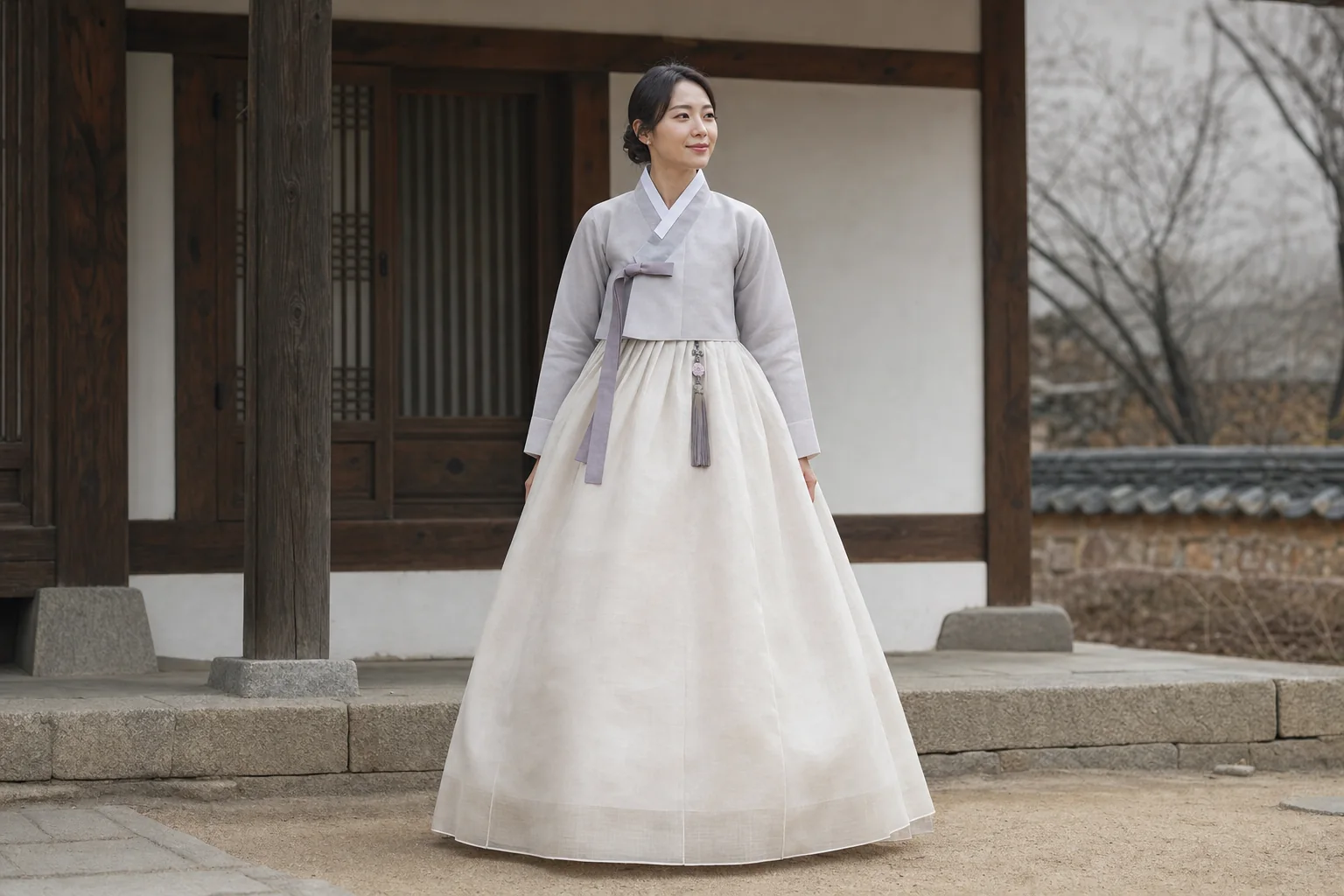
A polished hanbok dress preview with a structured jeogori, coordinated skirt shape, clean ties, and soft traditional detailing for a balanced portrait look.
A clean virtual hanbok try on direction focused on recognizable garment construction, restrained accessories, and a natural match to the original portrait lighting.
Use Hanbok Try-On when you want a quick visual reference for a themed portrait, cultural travel image, celebration concept, or outfit direction before deciding on a look.
Preview color combinations, jeogori shapes, chima or baji styling, sleeve volume, and accessories on your own portrait before choosing a visual direction.
Create a themed portrait for travel memories, cultural celebration artwork, profile images, or personal creative projects while keeping the original person recognizable.
A strong source portrait gives the clothing edges, sleeves, hands, and torso enough structure for a cleaner hanbok dress preview.
Describe the hanbok style you want, including jeogori shape, chima or baji choice, colors, sleeve volume, trim, ties, and restrained accessories. Keep the request focused on clothing and coordinated details so the person, pose, lighting, and background remain consistent.
After creating a hanbok dress preview, review both the clothing construction and the preserved portrait details before saving or sharing the image.
Check that the jeogori, chima or baji shapes read clearly as hanbok and do not collapse into a generic dress or jacket.
Inspect hands, ties, collars, sleeves, trim, and accessories for merged, warped, or unclear details.
Compare the face, body proportions, pose, hairstyle, lighting direction, camera angle, and background with the source image.
Treat the output as a visual clothing concept. Review garment construction and cultural details carefully before using it in formal, educational, or sensitive contexts.
Common questions about preparing a portrait, guiding the hanbok style, and checking the final dress preview.
Start with a clear portrait and create a hanbok dress preview that keeps the person, pose, lighting, and background intact while changing the outfit into a coordinated traditional Korean look.