
What changes
- The source brief becomes a genre-aware cover-art composition
- Mood, palette, imagery, focal hierarchy, and title-safe space are established
Turn a story summary, genre, mood, and reader brief into a front-cover art concept with clear genre signals, a strong focal idea, and text-safe space for title and author typography to be finished in layout.
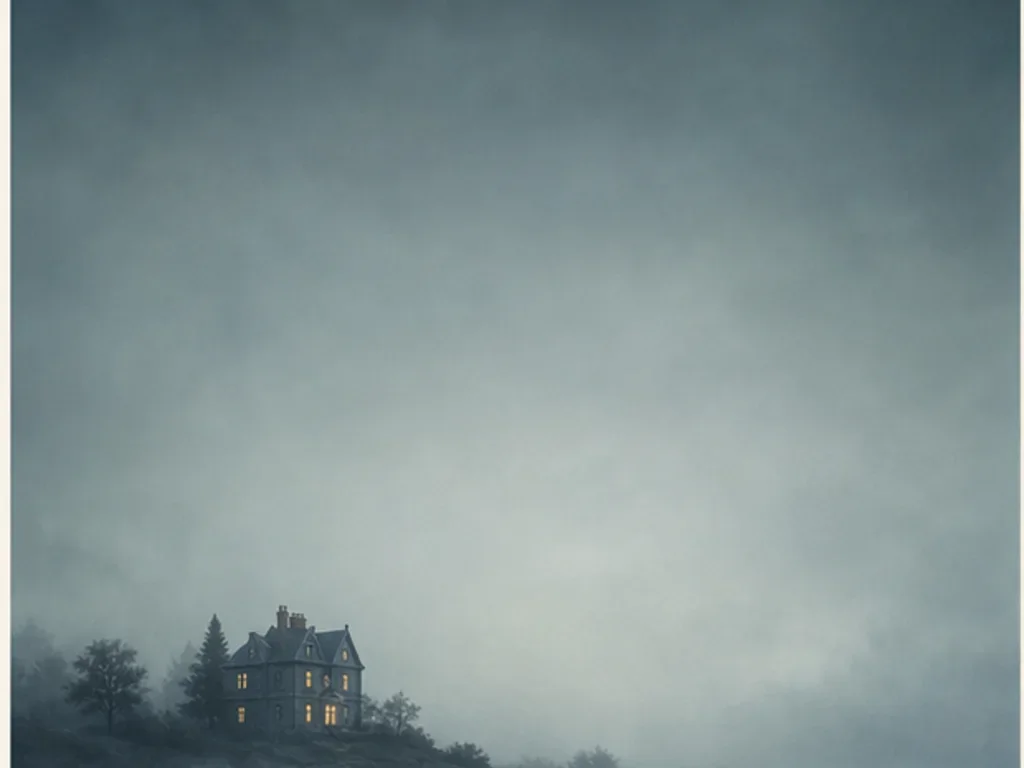
Create an original front-cover concept for the user's book idea. Use genre-appropriate imagery, a clear focal point, and generous text-safe negative space for a title and author name to be added later. Do not render readable title text, a barcode, publisher marks, a spine, bleed marks, trim guides, or production dimensions. Treat the image as cover-art direction only. Final typography, spine width, bleed, trim size, color mode, and print specifications must be completed and checked in a layout workflow.
This Book Cover Maker helps authors, publishers, and designers explore front-cover artwork before final production. It turns a focused book brief into a visual direction that suggests genre, mood, audience promise, symbolism, and composition while leaving room for final title, subtitle, and author treatment.
The process turns a written book idea into visual direction for the front cover while keeping the core story promise intact.
Move from a focused story brief to a practical visual reference that can guide later typography and production setup.
Summarize the book in terms of genre, target reader, setting, theme, emotional tone, and the promise the cover should make.
Select one primary image idea, such as a character silhouette, symbolic object, landscape, room, creature, or abstract motif.
Plan where the title, subtitle, and author name could sit, leaving generous text-safe space with suitable contrast.
Review the concept for genre fit, symbolic accuracy, crop safety, and whether it gives a designer enough direction for the next stage.
These examples show how the same front-cover approach can adapt to different genres, moods, and visual promises.
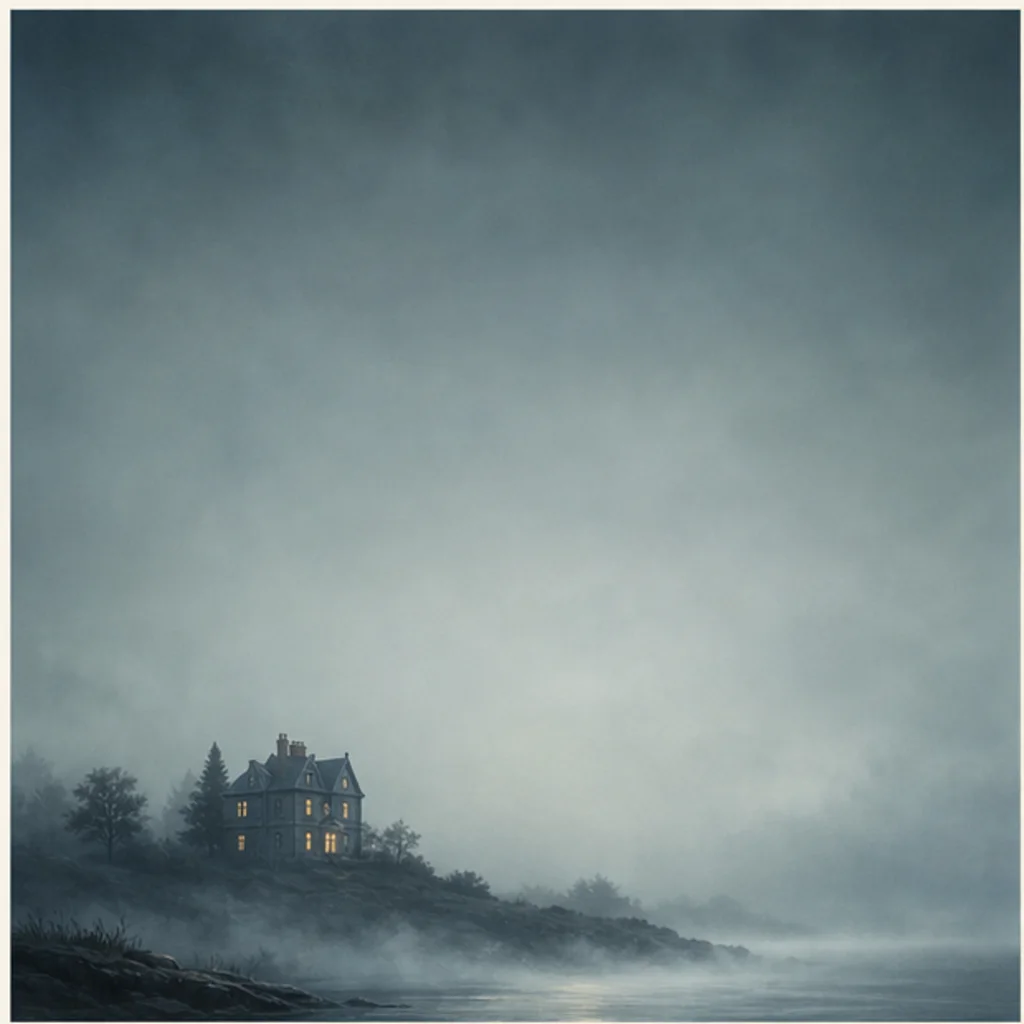
A restrained mystery direction using fog, distance, and a solitary house to suggest secrecy, atmosphere, and narrative tension.
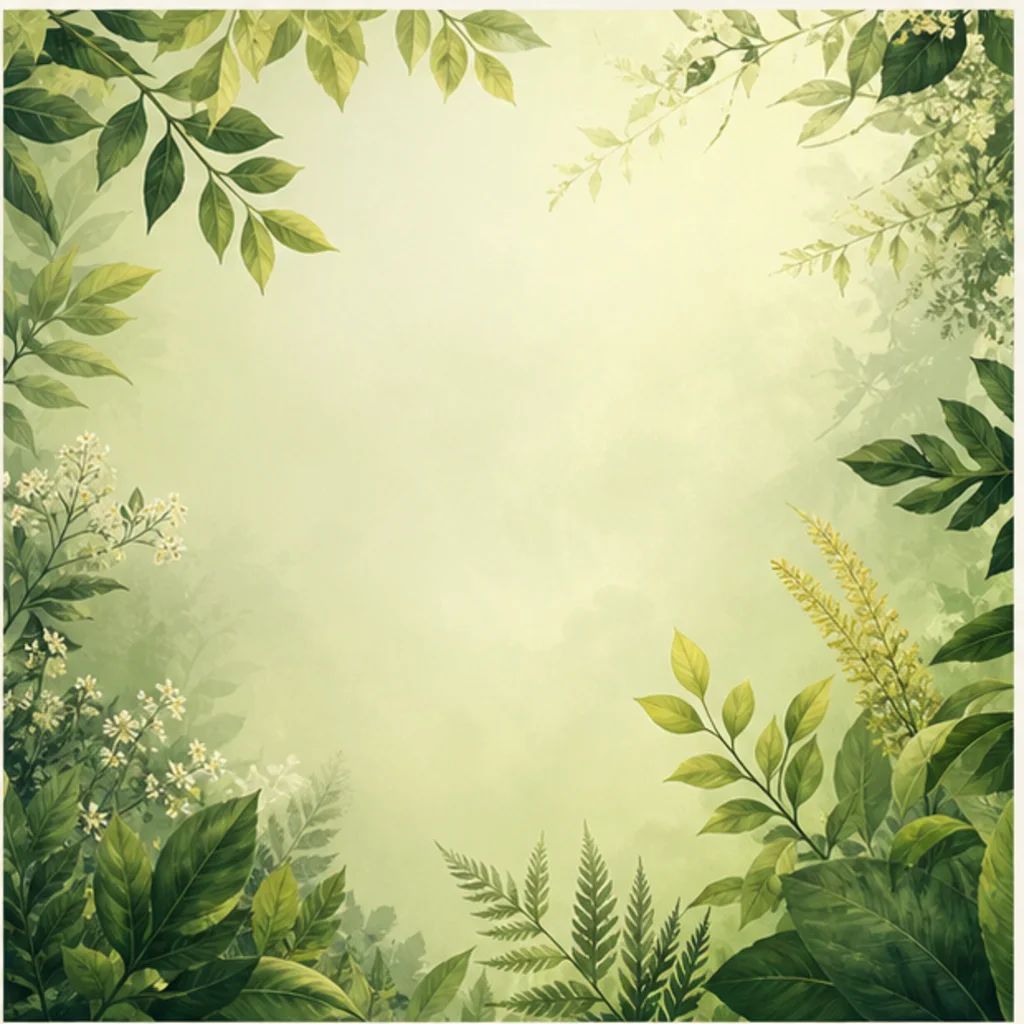
A nonfiction-style botanical layout with organic framing and calm central space for a clean title hierarchy.

A science-fiction concept with scale, orbital architecture, and a speculative focal structure for futuristic reader cues.
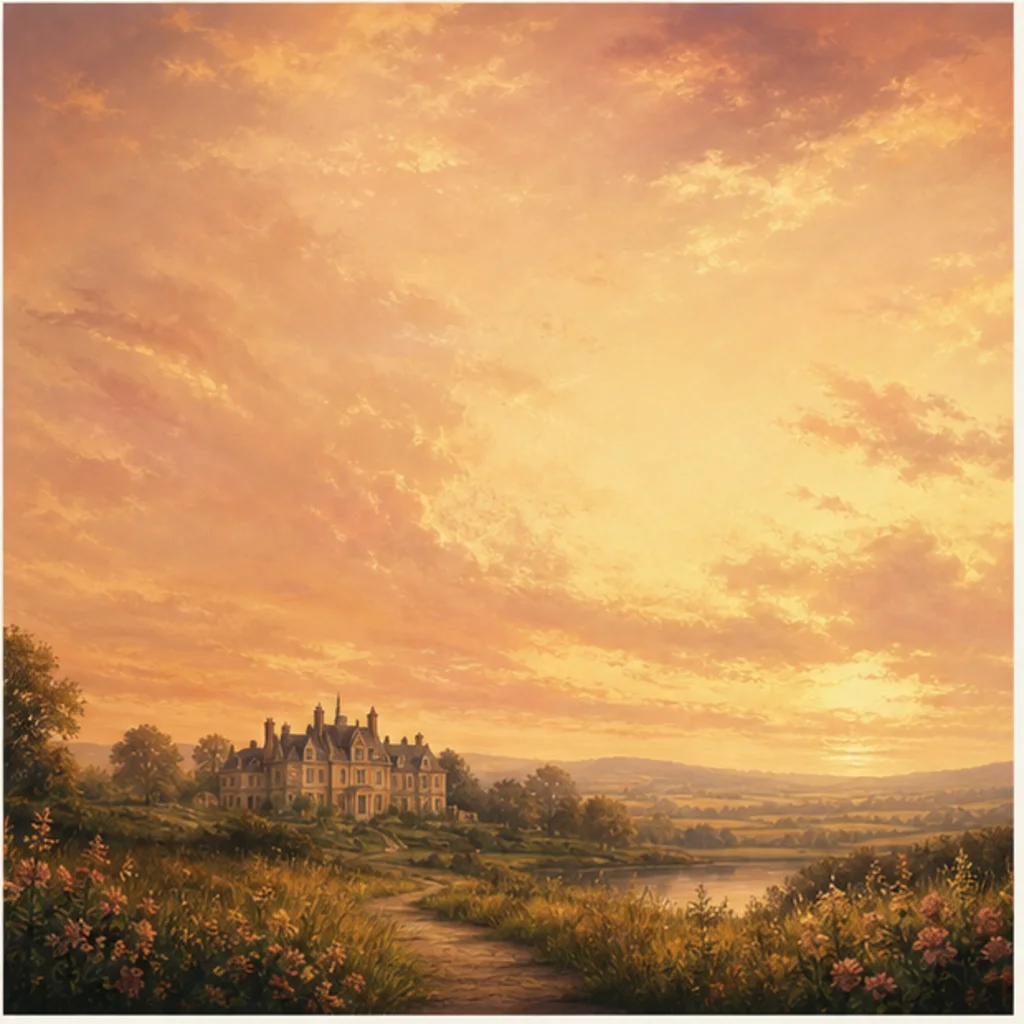
A historical romance direction using warm light, an elegant manor, and period atmosphere to frame an emotional setting.
Use the template when you need early visual exploration before committing to final typography, trim decisions, or full jacket design.
Explore front-cover directions for novels, nonfiction, memoir, children’s books, and genre fiction while comparing different moods and reader promises.
Create visual references for a pitch deck, preorder mockup, campaign moodboard, or conversation with an editor, publisher, or designer.
Clarify imagery, palette, composition, and text-safe areas before handing the project to a cover designer for layout refinement.
Compare how the same story idea might read as mystery, romance, science fiction, literary fiction, or nonfiction through different visual cues.
A strong prompt gives the cover one clear job: attract the right reader with the right promise. Keep the brief focused, visual, and genre-aware.
Describe the book’s genre, target audience, setting, emotional tone, and central theme. Name the main visual subject, the key symbol or motif, the preferred palette, and where title and author text should have open space. Avoid asking the image to explain the full plot; choose the strongest cover idea instead.
Use the concept as art direction, then review whether it communicates the right promise before moving into final cover layout.
Look at the cover at a glance and ask whether the imagery, palette, and atmosphere match the intended shelf or category.
Check that the eye lands on one main subject first, with supporting details that do not compete with the future title area.
Inspect crop safety, contrast, faces, hands, symbolic details, and any important motif that must remain recognizable.
Complete exact text, spine, barcode, bleed, trim, color mode, and print dimensions in a separate layout workflow.
Common questions about creating a useful early book cover concept from a story and genre brief.
Build a focused visual direction from your book’s genre, mood, audience, and central idea, then refine the final typography and production details in your design workflow.