Noble Oil Portrait
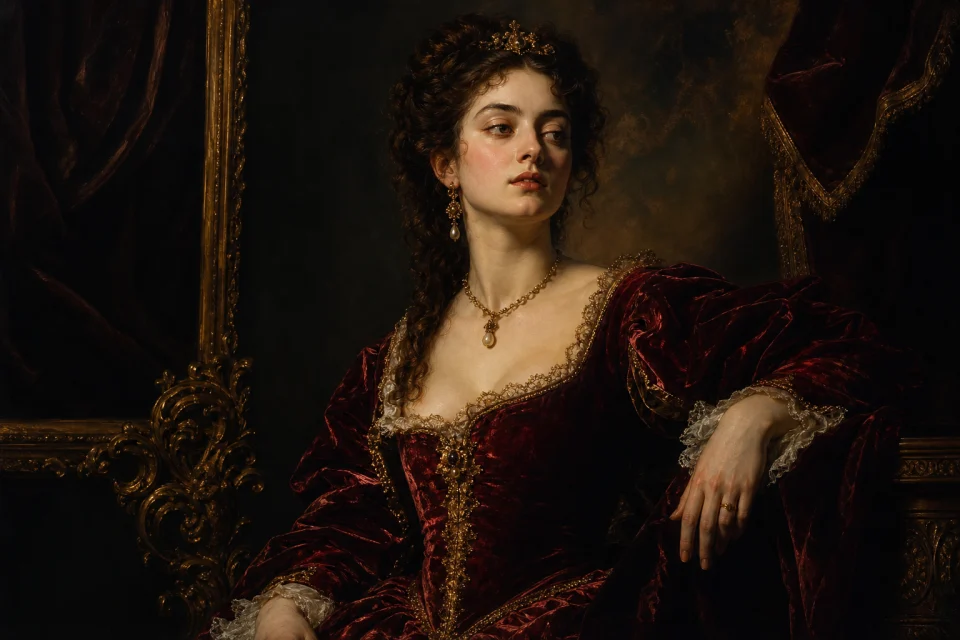
A formal portrait with velvet, lace, and directional candlelight.

Turn a portrait or written idea into dramatic Baroque art. Create oil paintings, charcoal drawings, noble portraits, still lifes, and mythological scenes with theatrical lighting and rich detail.

Transform the uploaded portrait into a dramatic 17th-century Baroque oil painting. Preserve the person's recognizable facial features and pose. Add strong chiaroscuro lighting, deep crimson and gold tones, rich velvet fabric, painterly brushwork, a dark theatrical background, and an ornate museum-quality composition.

From theatrical oils to expressive studies

A formal portrait with velvet, lace, and directional candlelight.

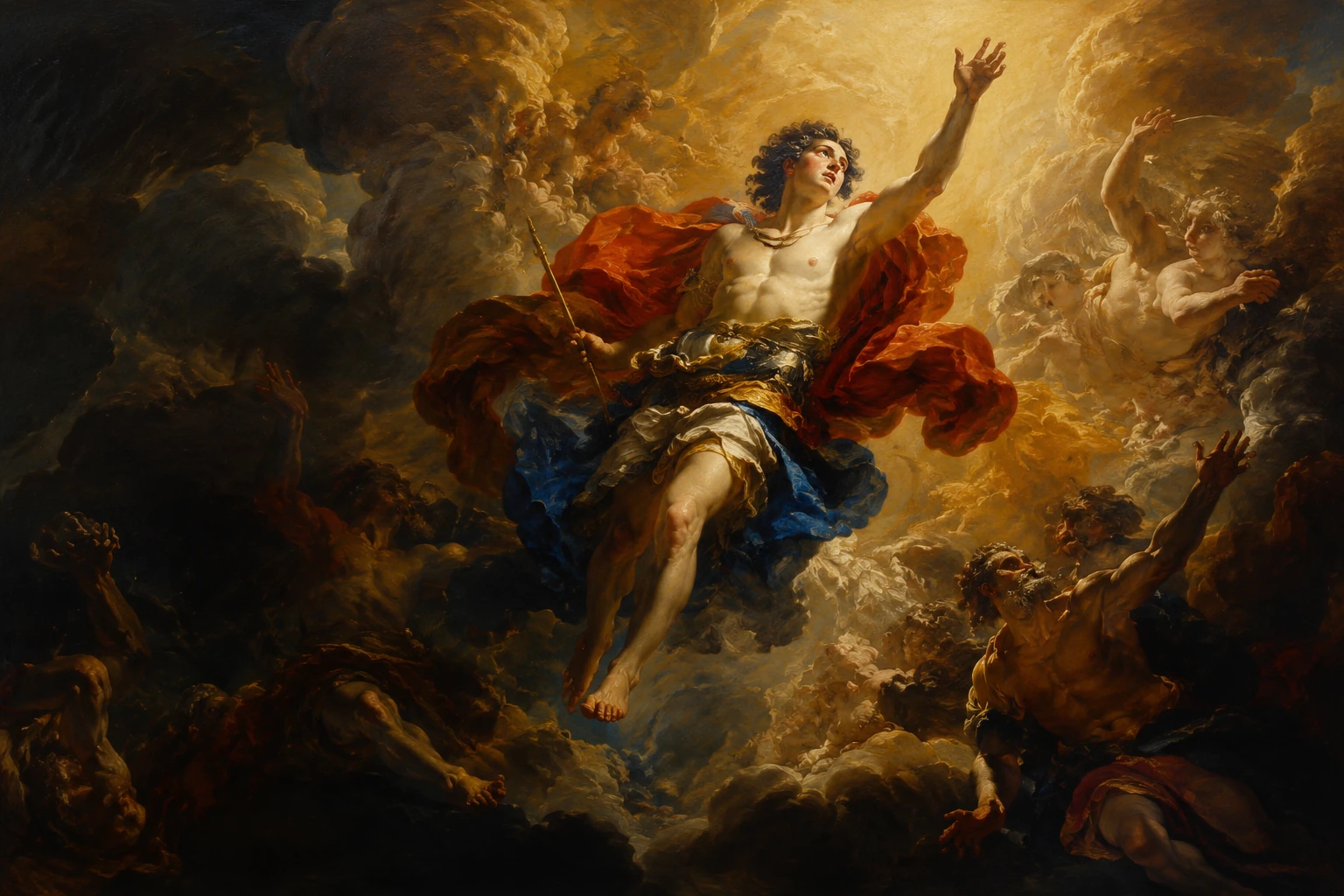
A dynamic scene with sweeping movement, clouds, and theatrical light.

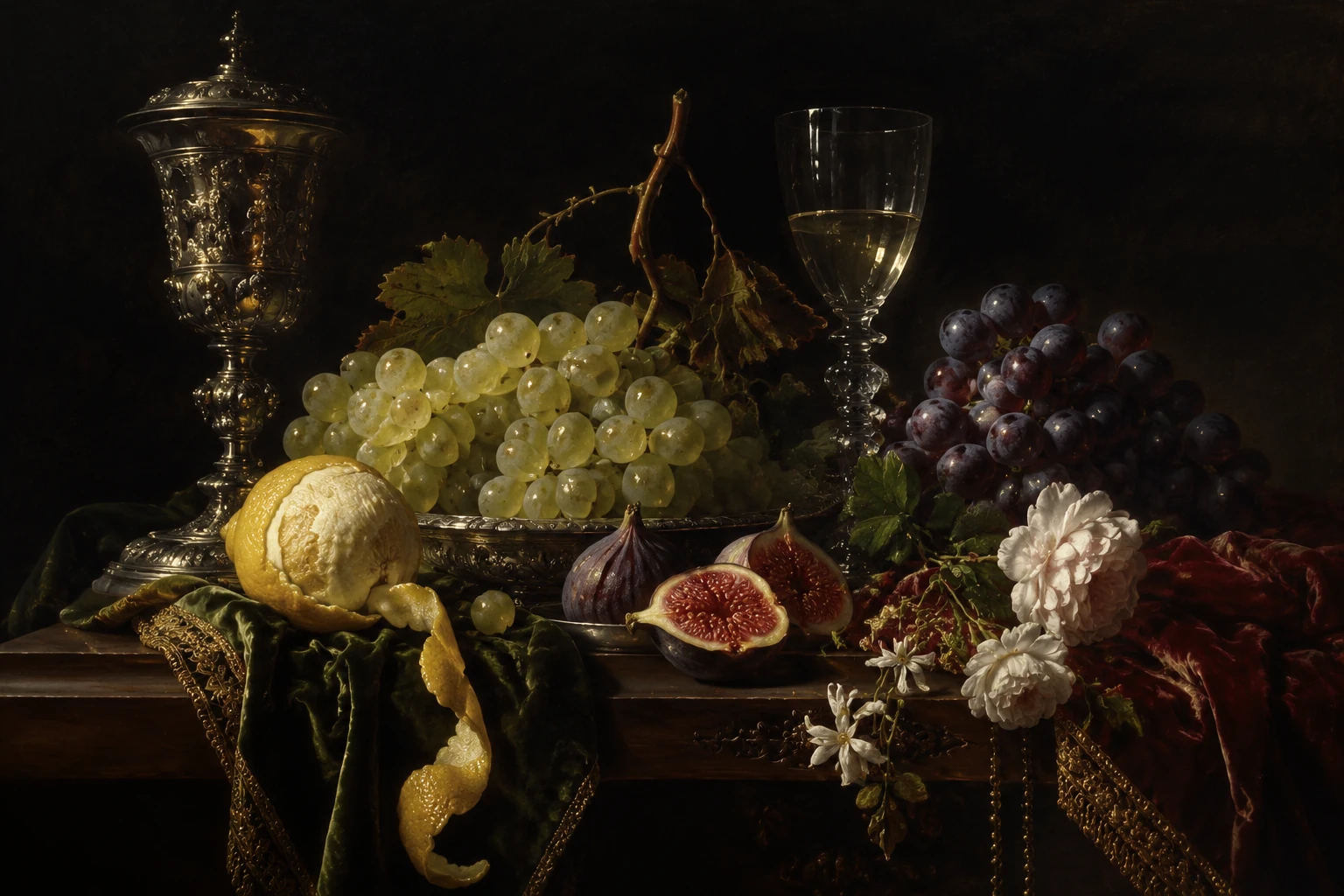
Fruit, silver, glass, and dark fabric arranged with symbolic detail.

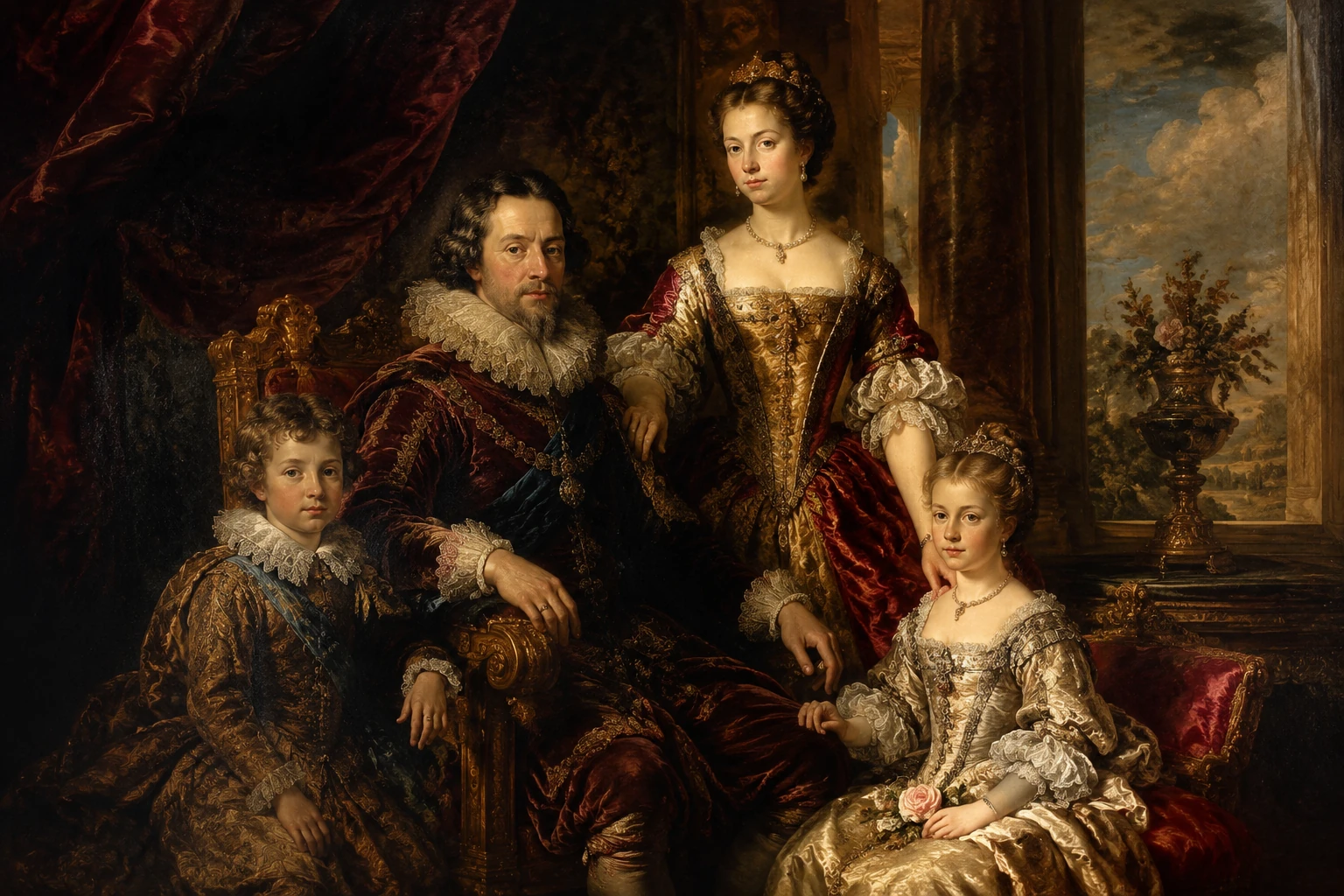
A layered group composition with formal posture and opulent textiles.

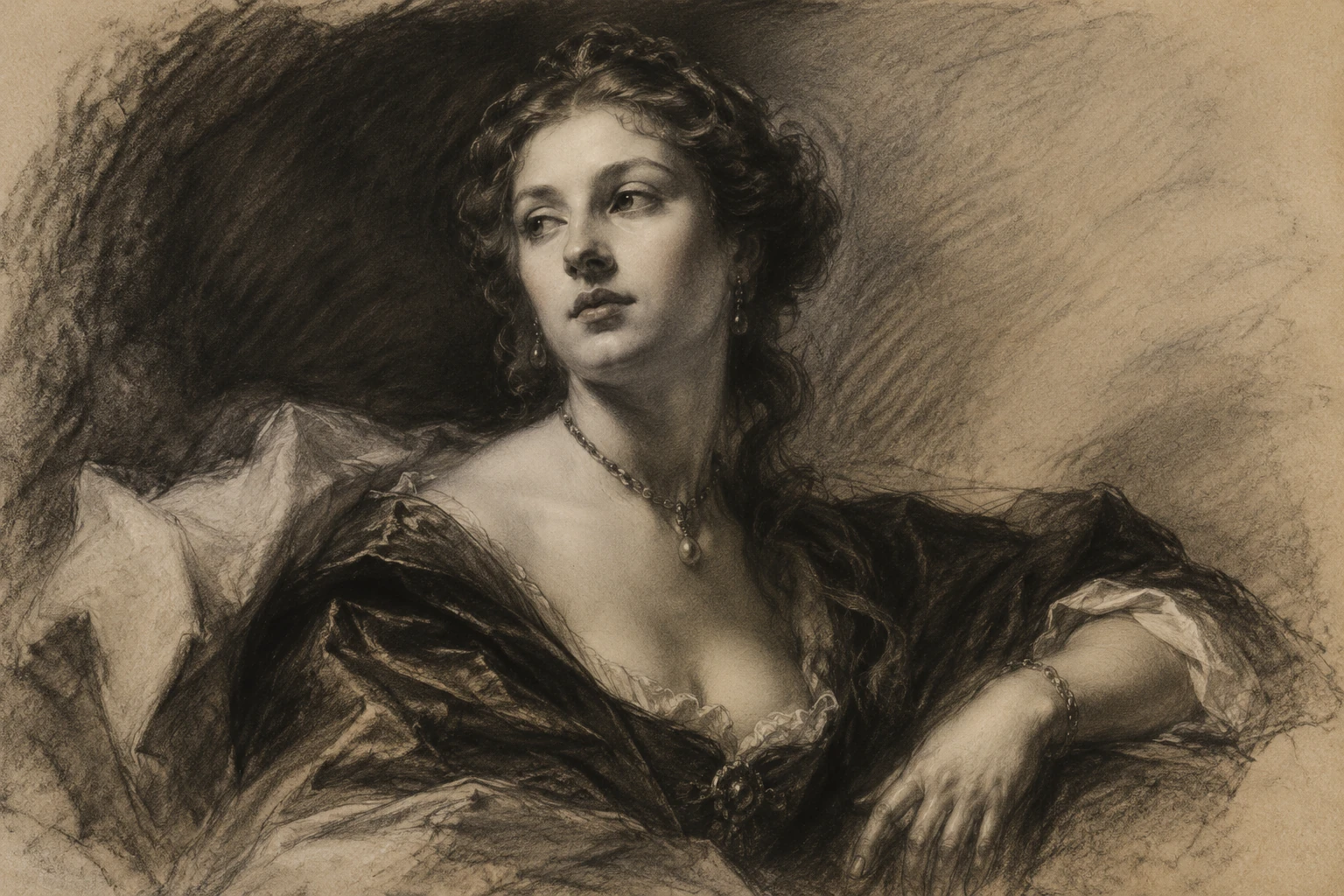
Expressive value drawing with strong light, shadow, and visible paper grain.

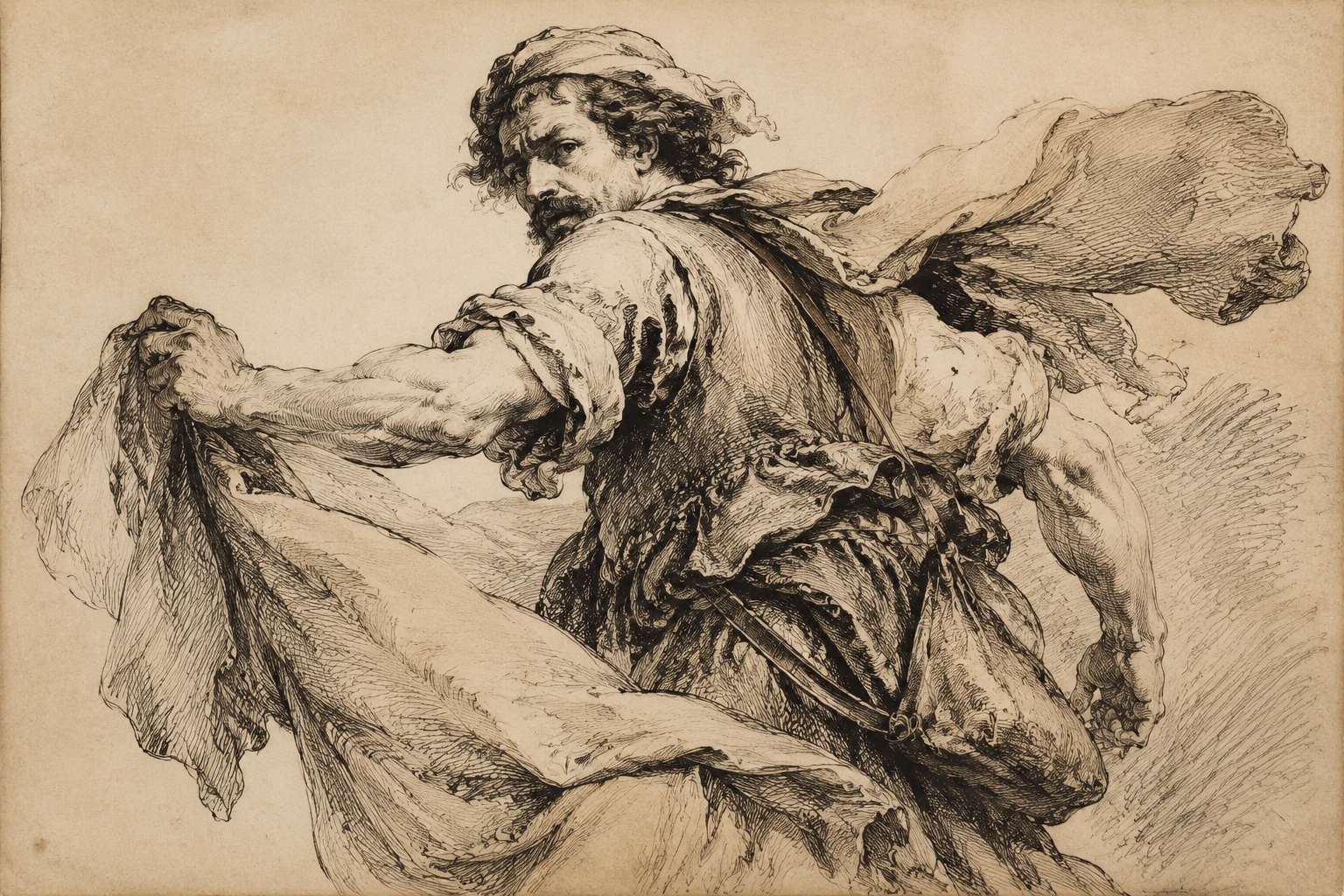
Confident ink lines, cross-hatching, drapery, and dynamic gesture.
Control the visual characteristics that make the result feel dramatic rather than generically old-fashioned.
Upload a portrait and preserve the recognizable face while changing light, wardrobe, palette, background, and painting medium.
Create strong directional light and deep shadow to focus attention and heighten emotion.
Choose oil on canvas, charcoal, chalk, ink, etching, or an old-master sketch direction.
Add velvet, lace, armor, silver, fruit, carved wood, and deep pigments without losing the main subject.
Use Baroque styling when a project needs drama, material richness, and emotional focus.
Reimagine a personal portrait with theatrical light, period clothing, and painterly depth.
Develop nobles, warriors, scholars, villains, and mythological figures for stories and games.
Create a strong central subject and dark-to-light composition for dramatic editorial artwork.
Illustrate the visual language of the period for presentations and creative study without presenting AI output as an authentic artifact.
Explore still lifes, portraits, and narrative scenes before preparing a final print project.
Define the subject first, then describe the medium, light, palette, materials, and emotion.
Start from a clear portrait for identity preservation, or write a complete scene when creating art from scratch.
Name the medium—oil on canvas, charcoal, chalk, ink, or etching—and add the visual characteristics you want.
Specify chiaroscuro, candlelight, crimson and gold, velvet, lace, armor, or a dark theatrical setting.
Compare variations and tighten the prompt when the face, gesture, focal light, or period detail needs stronger control.
Answers about style, media, portrait transformation, and practical use.
Turn a portrait or written idea into a dramatic painting or drawing with controlled light, material, and mood.