AI Vintage Filter for Retro Film Photos

AI Vintage Filter for Retro Film Photos

Upload a clear photo and turn it into a nostalgic Vintage film image with soft grain, faded tones, retro color balance, and natural analog texture while keeping the subject recognizable.

AI Vintage Filter result preview
0 / 2000
Template prompt

AI Vintage Filter for Retro Film Photos

Apply the AI Vintage Filter effect to the uploaded image. Preserve the main subject identity or object shape, pose/layout, composition, and key details. Transform only the photographic style into a vintage film look with soft grain, faded tones, retro color balance, gentle vignette, lowered contrast, analog texture, and natural nostalgic lighting. Do not change the subject or scene content.

AI Vintage Filter result preview

What is AI Vintage Filter?

AI Vintage Filter is a photo style template that changes the look of an uploaded image into a retro film-inspired result. It focuses on soft grain, faded color, lowered contrast, gentle vignette, and nostalgic lighting while preserving the subject, pose, layout, and important details from the source image.

What AI Vintage Filter changes

The template changes the photographic style while aiming to keep the subject and scene content stable.

What changes

  • Turns the uploaded photo into a Vintage film-style image with soft grain, faded tones, retro color balance, natural texture, and nostalgic lighting.
  • Creates a focused AI Vintage Filter look instead of a broad, generic photo effect.
  • Lets you preview the result before downloading, then retry with a clearer image or more specific prompt when needed.
  • Produces image drafts suitable for posts, mockups, references, mood boards, or client previews.
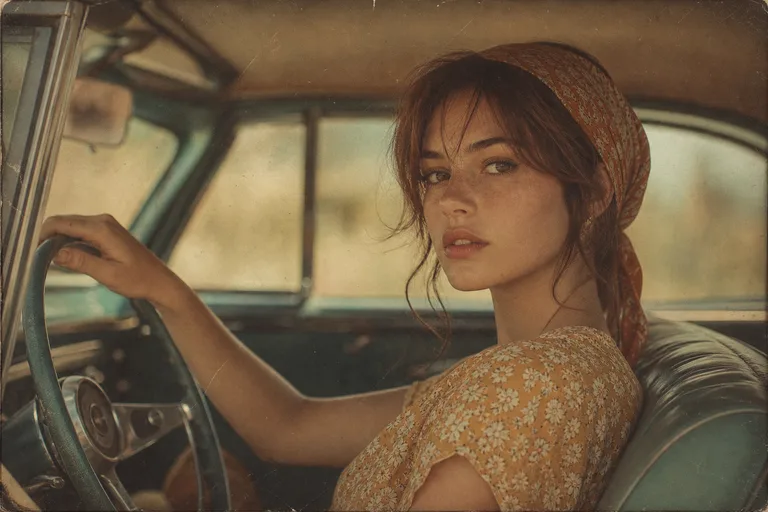
What stays recognizable

  • Preserves the main subject identity or object shape, pose, layout, composition, and key details.
  • Keeps the main subject recognizable from the original source image.
  • Maintains defining colors, pose, silhouette, and important subject details as coherently as possible.

How it works

Create a retro film look in a few simple steps, then review the result for subject accuracy and visual consistency.

1

Upload your image

Choose a sharp photo where the subject, pose, composition, and important details are easy to see.

2

Generate the Vintage look

Apply the AI Vintage Filter style to add soft grain, faded tones, retro color, analog texture, and nostalgic lighting.

3

Review and refine

Check the preview for subject recognition, coherent film texture, clean edges, and believable details before saving the image.

Vintage filter style ideas

Explore different Vintage moods, from softly faded portraits to warmer analog scenes and muted retro color palettes.

AI Vintage Filter background preview

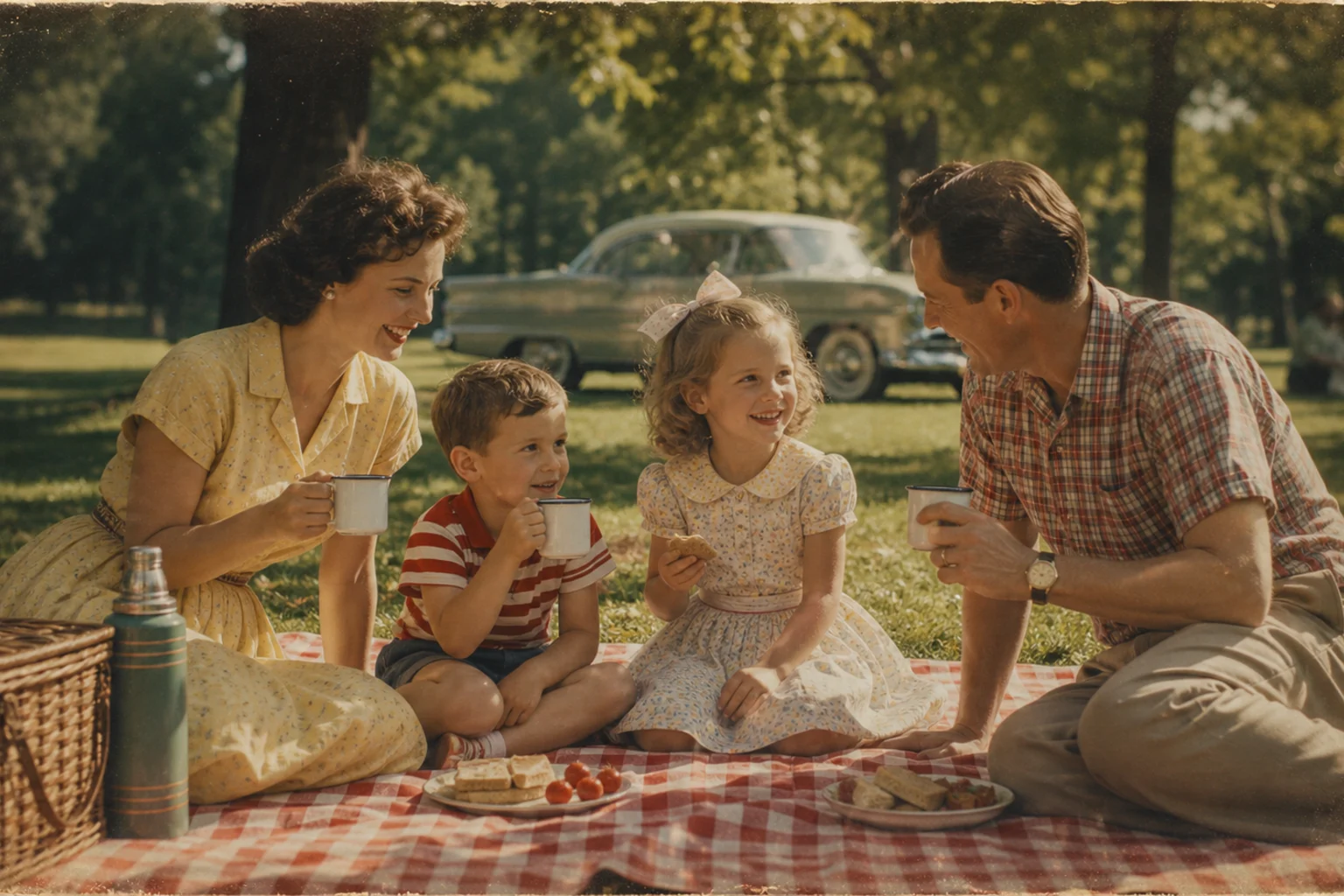
Soft faded film

A balanced Vintage treatment with soft grain, gentle fading, and natural retro color for everyday photos.

Vintage photo filter generated with retro film tones 1

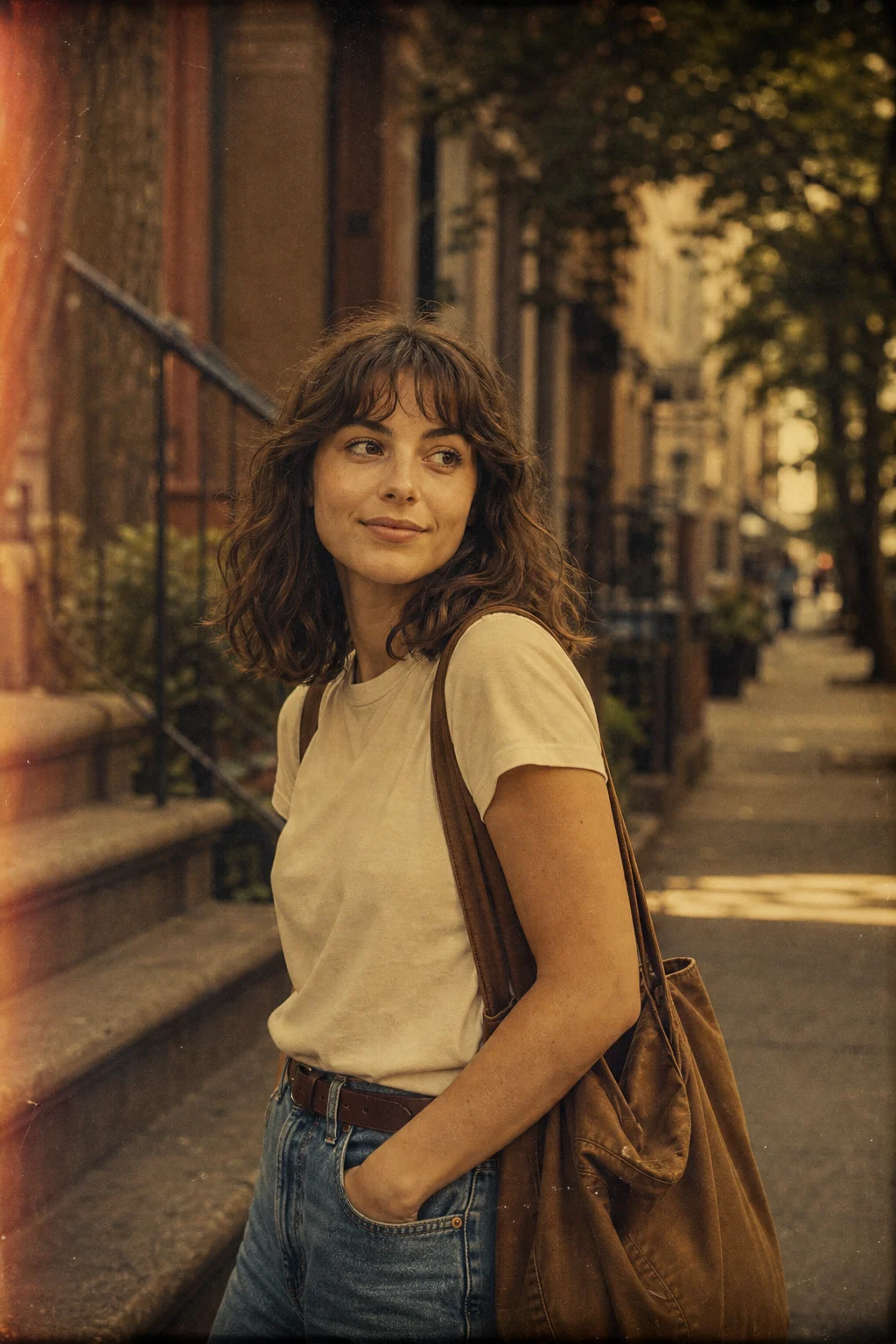
Warm retro tones

A warmer analog look with nostalgic tones, lowered contrast, and subtle vignette for a classic photo finish.

Vintage photo filter generated with retro film tones 2

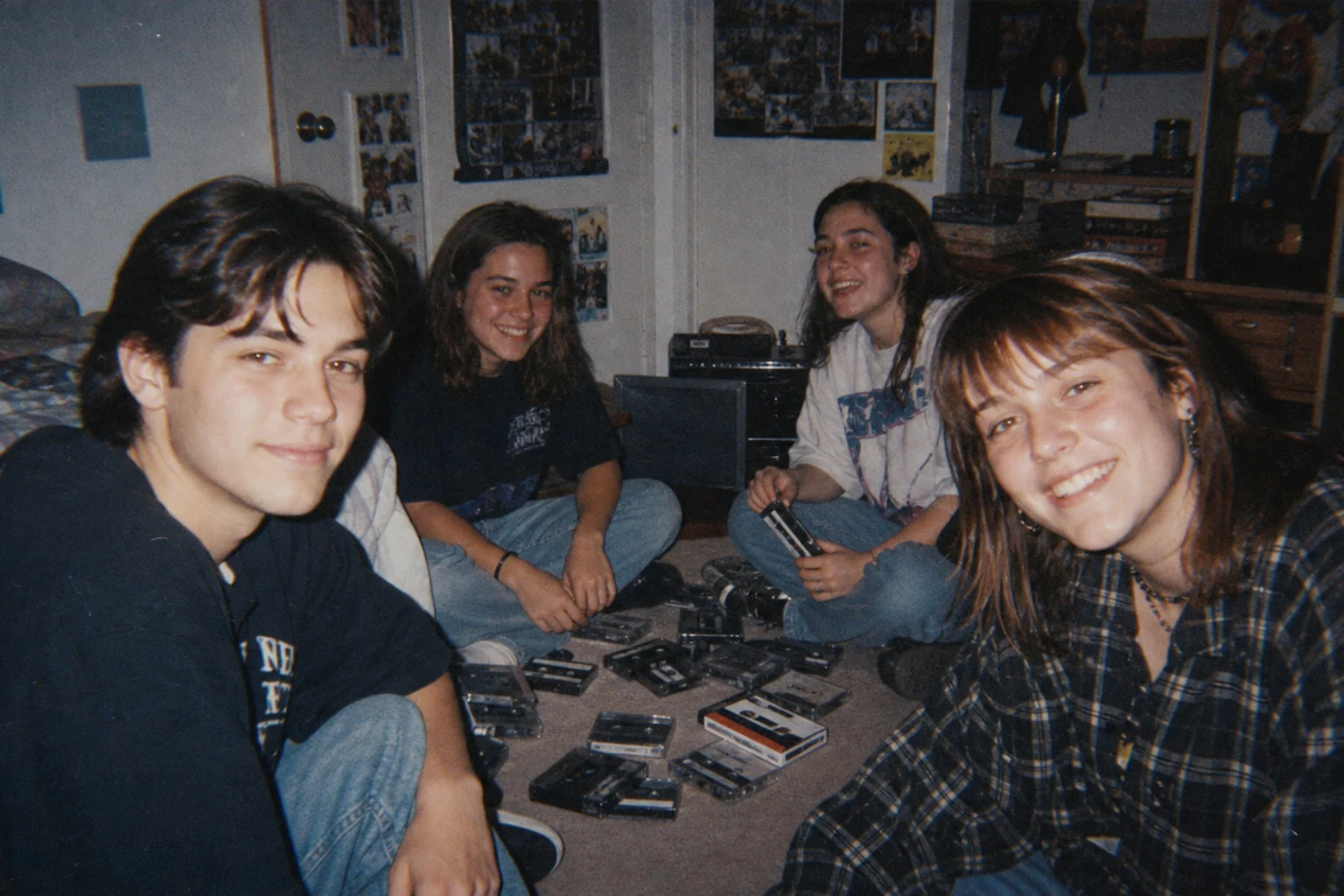
Muted analog texture

A muted Vintage style with visible film texture and restrained color for a more understated old-photo mood.

Vintage photo filter generated with retro film tones 3

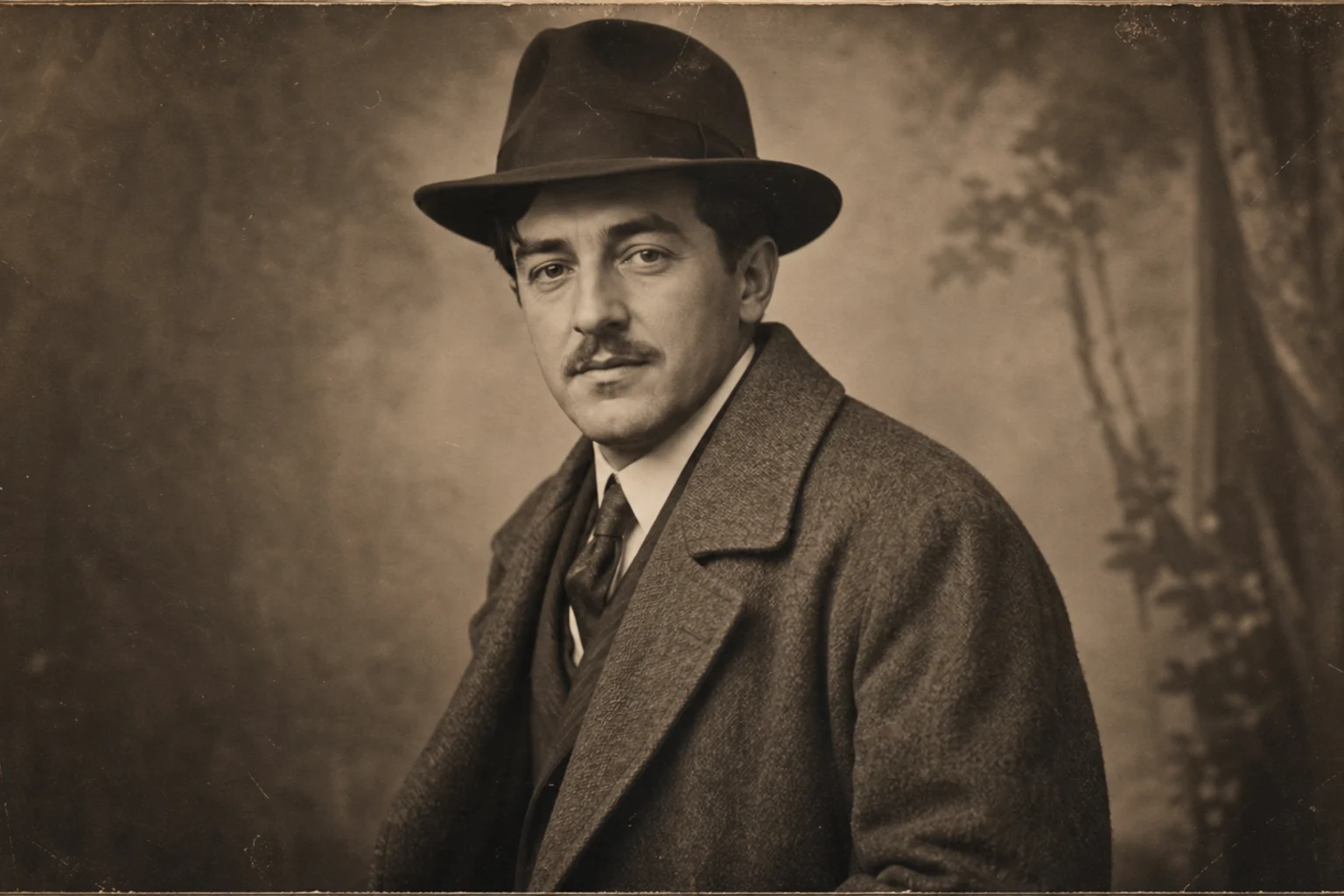
Cinematic nostalgia

A cinematic nostalgic look with faded color balance, soft shadows, and gentle grain across the image.

Ways to use AI Vintage Filter

Use the template when you want a clear retro direction without rebuilding the photo from scratch.

Personal and creative edits

Create a quick Vintage-inspired preview for a personal photo, creative concept, social post, or visual experiment.

Direction testing

Compare the retro film direction before refining, sharing, or presenting the image as part of a mood board or draft.

How to get the best result

A clear source image gives the filter enough detail to keep the subject coherent while changing the photographic mood.

Source image checks

  • Use a sharp source image with the main subject clearly visible.
  • Avoid heavy blur, blocked details, extreme crops, or confusing overlaps.
  • Choose a source whose pose and framing support the intended AI Vintage Filter result.

Prompt guidance

Describe the Vintage film look you want in simple terms, such as soft grain, faded warm tones, gentle vignette, muted contrast, analog texture, or nostalgic lighting. If the first result is too strong or too subtle, adjust the wording and try again with a sharper source image.

Review before you use the image

Generated details can vary between runs, so review the preview carefully before downloading or sharing.

Subject recognition

Compare the result with the source to confirm the person, object, silhouette, pose, and composition still match.

Vintage treatment

Look for consistent soft grain, faded tones, retro color, lowered contrast, and natural nostalgic lighting across the full image.

Detail quality

Inspect faces, hands, text, edges, small objects, and background transitions for distortions or unwanted artifacts before using the result.

AI Vintage Filter FAQ

Common questions about creating a Vintage film look from an uploaded photo.

What is AI Vintage Filter?
AI Vintage Filter is a photo transformation template that gives a source image a retro film appearance with soft grain, faded tones, analog texture, and nostalgic color treatment.
Is AI Vintage Filter free?
Availability can depend on the current ClipCanva access options shown in the product. Check the creation page for the latest usage details before starting.
How do I use AI Vintage Filter?
Upload a clear image, keep the main subject visible, and use the template to apply the Vintage film treatment. Review the preview, then refine with a clearer source or more specific prompt if needed.
What image formats does AI Vintage Filter support?
Use common web image formats supported by the upload tool, such as JPG, PNG, or WebP when available. For best results, choose a sharp image with enough detail.
Can I use AI Vintage Filter results commercially?
Usage depends on the terms that apply to your account, source image, and final use case. Review the relevant rights and permissions before using results in commercial work.
What changes does AI Vintage Filter make?
It changes the photographic style: grain, tone, contrast, color balance, vignette, and lighting mood. It should not intentionally replace the subject or alter the core scene content.
Which source image works best?
A sharp, well-lit photo with a clearly visible subject works best. Avoid heavy blur, blocked faces, confusing overlaps, and extreme crops that remove important details.
How do I keep the subject recognizable?
Start with a source where the face, object shape, pose, and silhouette are easy to read. After generation, compare the result with the original and rerun if important details drift.

Create your Vintage film look

Start with a clear photo and create a retro film-style image with soft grain, faded tones, and a natural nostalgic finish.