AI Crying Filter for Realistic Sad Face Portraits

AI Crying Filter for Realistic Sad Face Portraits

Turn a clear portrait into a realistic Crying expression while keeping the same person, face shape, pose, lighting, camera angle, and background intact.

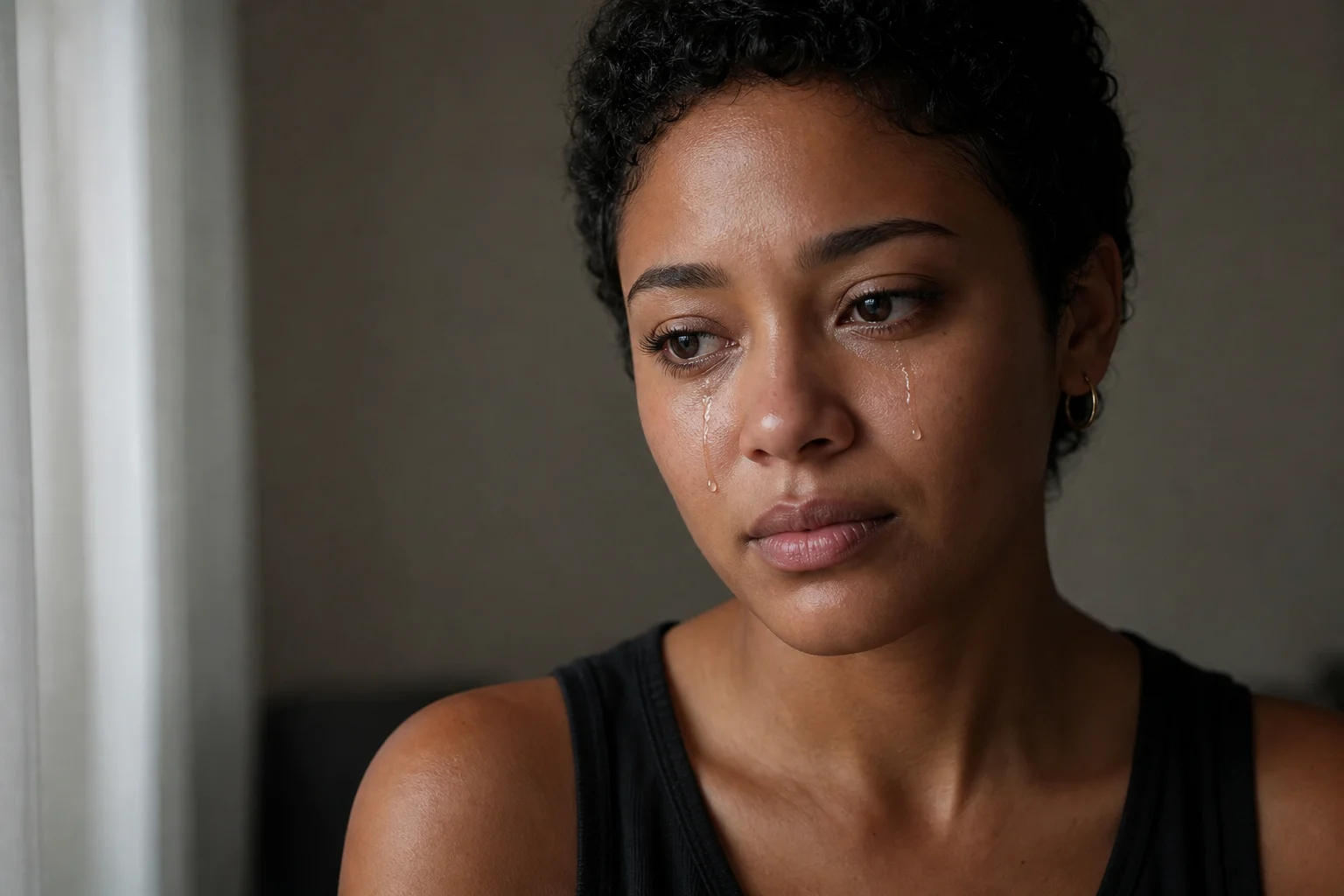
AI Crying Filter portrait preview with realistic tears
0 / 2000
Template prompt

AI Crying Filter for Realistic Sad Face Portraits

Apply the AI Crying Filter effect to the uploaded portrait. Preserve the same person, core identity markers, face shape, pose, clothing, lighting, camera angle, and background. Change only the facial expression and eye/cheek details to a believable crying expression, with realistic tears, glossy tear tracks, reddened eyes, subtle facial tension, and natural skin reflections. Keep the result photorealistic and do not change identity.

AI Crying Filter portrait preview with realistic tears

What is AI Crying Filter?

AI Crying Filter is a portrait effect that adds a believable crying face to a source photo. It focuses on realistic tears, glossy tear tracks, reddened eyes, subtle facial tension, and natural skin reflections while preserving the person’s identity and the original scene.

What AI Crying Filter changes and preserves

The effect is designed to adjust only the emotional expression and tear details while keeping the original portrait recognizable.

What changes

  • Adds a believable crying expression to a portrait while keeping the same person, face shape, camera angle, and lighting intact.
  • Creates a polished sad-face photo treatment with realistic tears, glossy tear tracks, reddened eyes, and subtle facial tension.
  • Lets you preview the AI Crying Filter result before deciding whether to refine the source photo or prompt.
  • Supports photorealistic portrait edits for posts, mockups, references, and client drafts.
What stays the same

  • Preserves the same person, core identity markers, face shape, pose, clothing, lighting, camera angle, and background.
  • Keeps the result photorealistic without intentionally changing identity.
  • Maintains the main subject so they remain recognizable from the source image.
  • Keeps defining colors, pose, silhouette, and important subject details coherent.

How to use AI Crying Filter

Create a Crying expression in a few simple steps, then check the result against the original portrait before using it.

1

Upload a clear portrait

Choose a sharp portrait where the subject’s face, eyes, cheeks, pose, clothing, and background are clearly visible.

2

Describe the Crying effect

Use a focused description if needed, asking for realistic tears, tear tracks, reddened eyes, and subtle facial tension while preserving identity and scene details.

3

Preview and review

Check whether the person still looks like the source image and whether the emotional expression feels natural across the whole photo.

4

Refine when needed

If details drift, try a clearer source image, a tighter crop, or a more specific instruction about preserving the person and changing only the expression.

AI Crying Filter examples

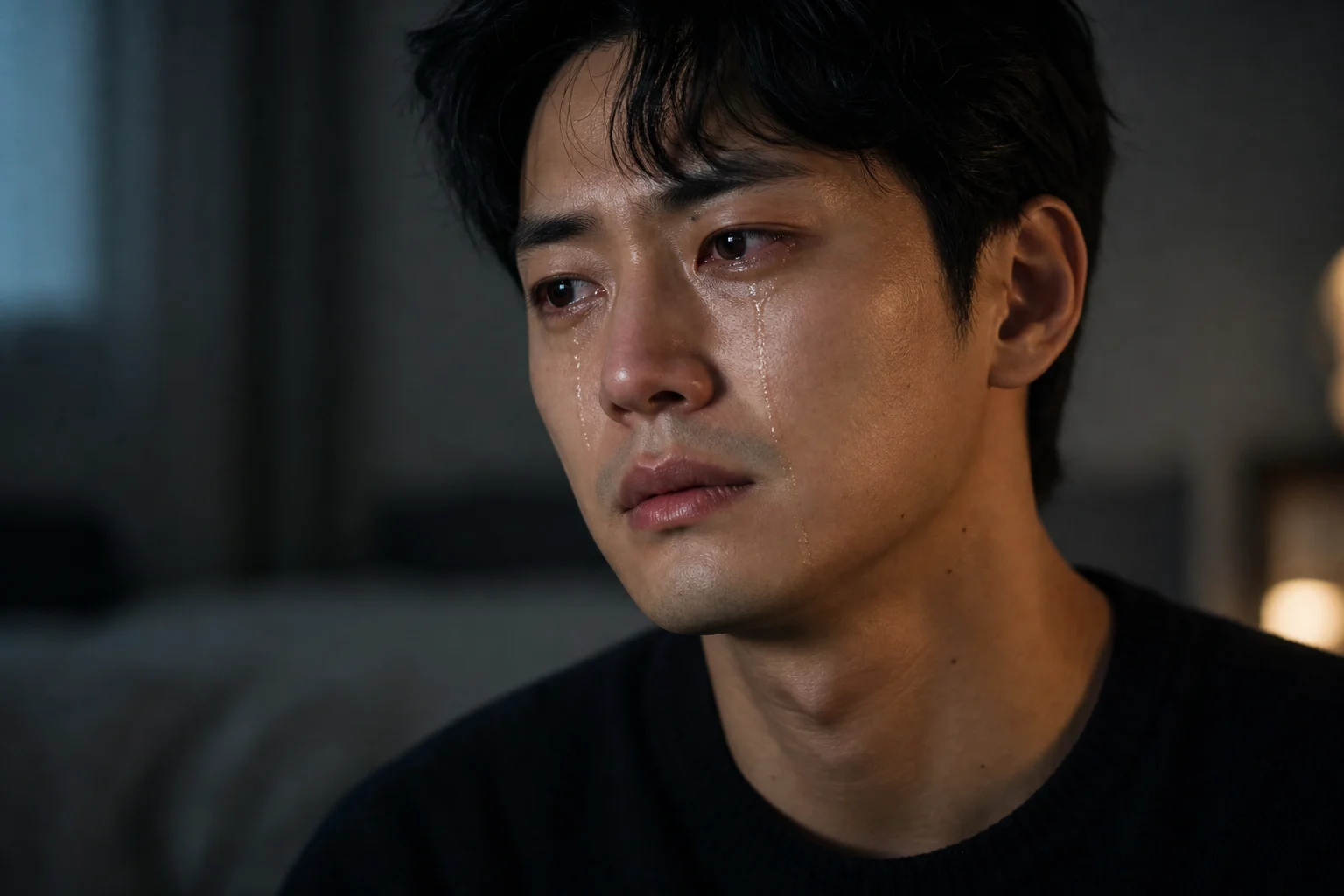
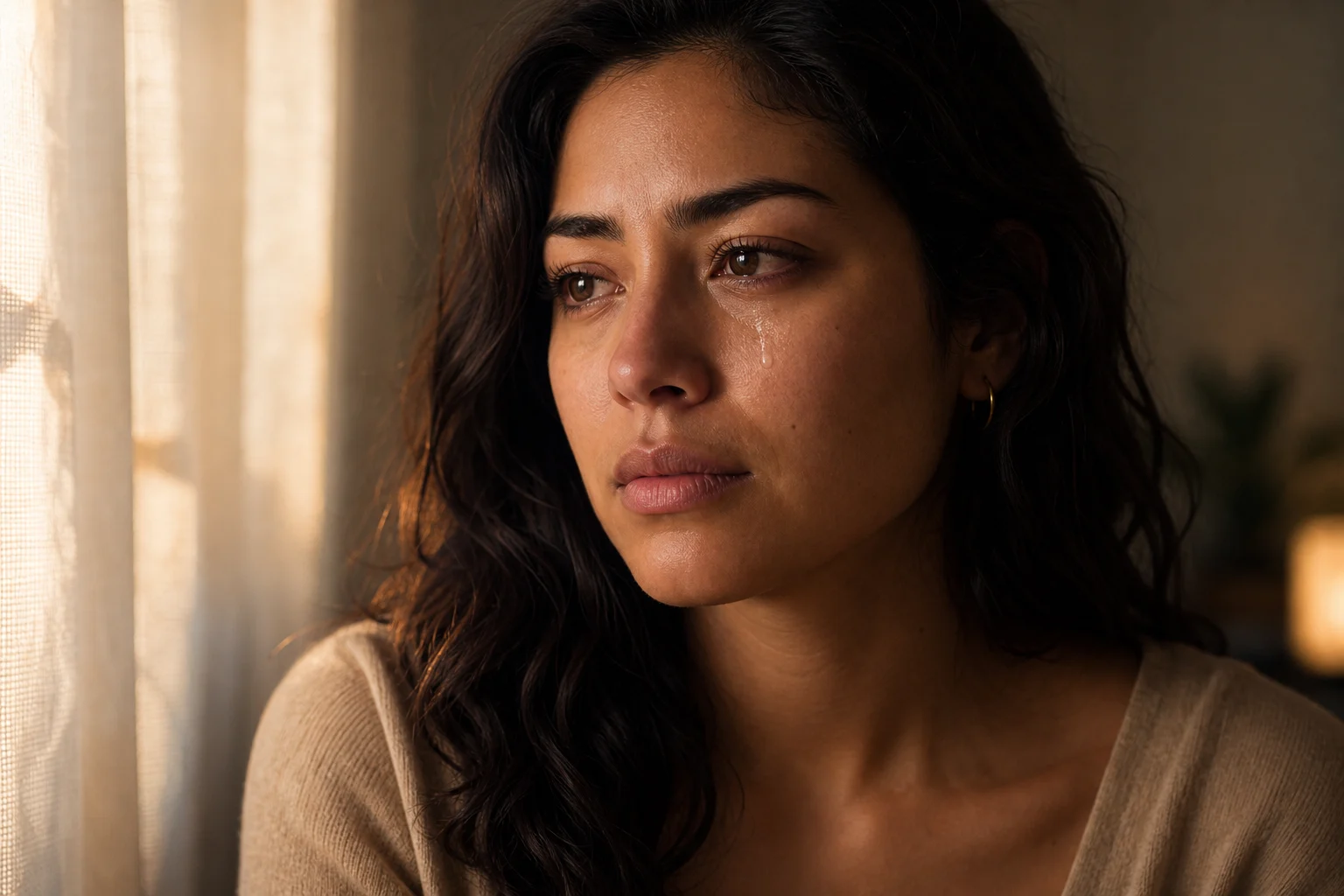
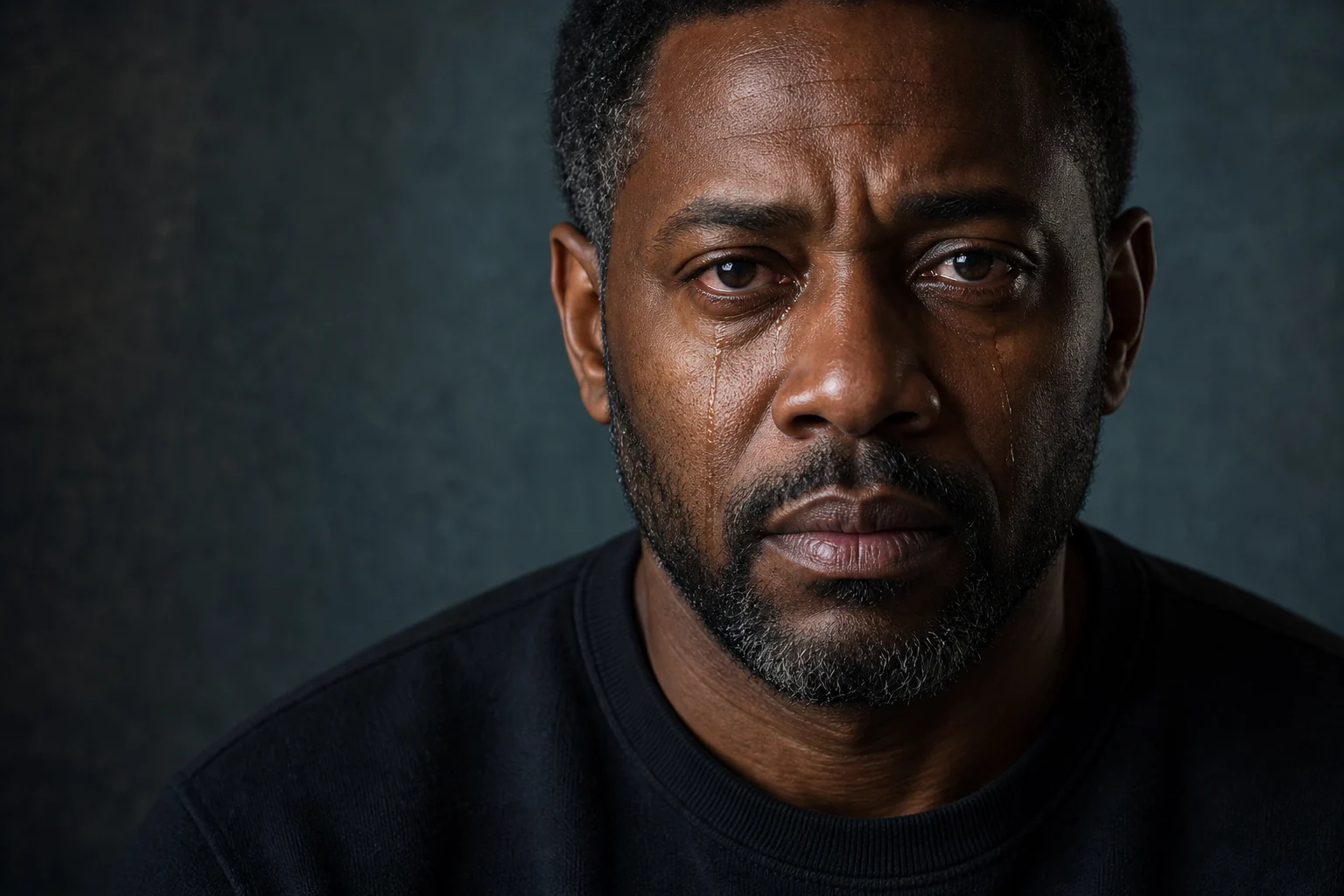
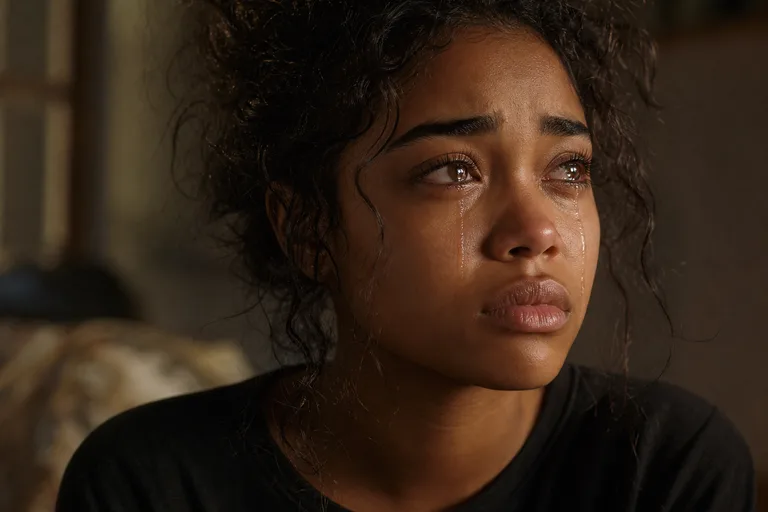
Explore different AI Crying Filter examples to see how tears, eye redness, facial tension, and lighting can remain realistic across portrait styles.

Natural AI Crying Filter portrait result

Natural Crying expression

A natural crying expression with subtle tears and controlled facial tension for a believable portrait edit.

Emotional Crying Filter online portrait result

Emotional tear detail

A more emotional sad-face result with visible tear tracks while preserving the original camera angle and lighting.

Photorealistic AI Crying Filter result

Photorealistic portrait finish

A polished photorealistic Crying effect that keeps the face shape, clothing, and background coherent.

Close portrait with AI Crying Filter effect

Close-up Crying detail

A close portrait treatment focused on reddened eyes, glossy cheeks, and natural skin reflections.

Best uses for AI Crying Filter

Use the Crying Filter online when you need a believable emotional portrait treatment while staying close to the original image.

Creative portrait previews

Create a focused AI Crying Filter preview for a personal concept, social post idea, mood reference, or creative project.

Direction and draft comparison

Compare the visual direction before refining the prompt, sharing options with collaborators, or presenting a draft for feedback.

How to get a better AI Crying Filter result

A strong source image and a focused prompt help the Crying expression look natural without drifting away from the original portrait.

Choose the right source photo

  • Use a sharp source image with the main subject clearly visible.
  • Avoid heavy blur, blocked details, extreme crops, or confusing overlaps.
  • Choose a source whose pose and framing support the intended AI Crying Filter result.

Prompt tips for a realistic result

Ask for a believable crying expression with realistic tears, glossy tear tracks, reddened eyes, subtle facial tension, and natural skin reflections. Specify that the person’s identity, face shape, pose, clothing, lighting, camera angle, and background should remain unchanged.

Review your Crying Filter result

Generated details can vary between runs, so review the result before using it in a post, mockup, reference, or draft.

Check identity and structure

Compare the output with the source portrait and make sure the same person, face shape, silhouette, pose, and defining details are still clear.

Review the emotional detail

Look closely at the eyes, tear tracks, cheeks, mouth tension, and skin reflections to confirm the Crying effect looks coherent and not overdone.

Inspect the full image

Inspect faces, hands, text, edges, small objects, hair, clothing, and background transitions for artifacts or unexpected changes.

AI Crying Filter FAQ

Answers to common questions about creating a Crying Filter online result that stays close to your original portrait.

What is AI Crying Filter?
AI Crying Filter is a photo effect that changes a portrait into a realistic crying expression. It is designed to keep the same person, face shape, camera angle, lighting, clothing, and background while adding tears and emotional facial details.
Is AI Crying Filter free?
Access and usage options can vary. Check the current page experience for the available options before starting your edit.
How do I use AI Crying Filter?
Upload a clear portrait, describe the crying expression you want if needed, preview the result, and review whether the person still looks recognizable. If the result needs refinement, use a clearer image or a more specific description.
What image formats does AI Crying Filter support?
Use common portrait image formats supported by the upload flow. For best results, choose a sharp image where the face, eyes, cheeks, pose, and background are easy to read.
Can I use AI Crying Filter results commercially?
Usage needs can differ by project. Review the terms that apply to your final image and make sure you have the right to edit the source portrait before using the result in any public or client-facing context.
What does AI Crying Filter change?
It changes the facial expression and eye and cheek details. Typical changes include realistic tears, glossy tear tracks, reddened eyes, subtle facial tension, and natural reflections on the skin.
Which source image works best?
The best source image is sharp, well lit, and clearly framed around the subject’s face. Avoid heavy blur, blocked facial details, extreme crops, confusing overlaps, or shadows that hide the eyes and cheeks.
How do I keep the subject recognizable?
Use a source where the subject’s defining features are visible, then review the output against the original. Check the face shape, pose, clothing, silhouette, lighting, and background to confirm the person remains recognizable.

Try AI Crying Filter on your portrait

Start with a clear portrait and create a realistic Crying expression that keeps the original person, pose, lighting, and scene recognizable.