
What the filter changes
- Braid pattern, parting, length, thickness, and volume
- Hair color, accessories, edge styling, and overall finish
- Hair highlights and shadows needed to fit the original lighting
Upload a clear portrait and use the AI Braids Filter to preview box braids, cornrows, knotless braids, or braided updos while keeping the person and photo recognizable.
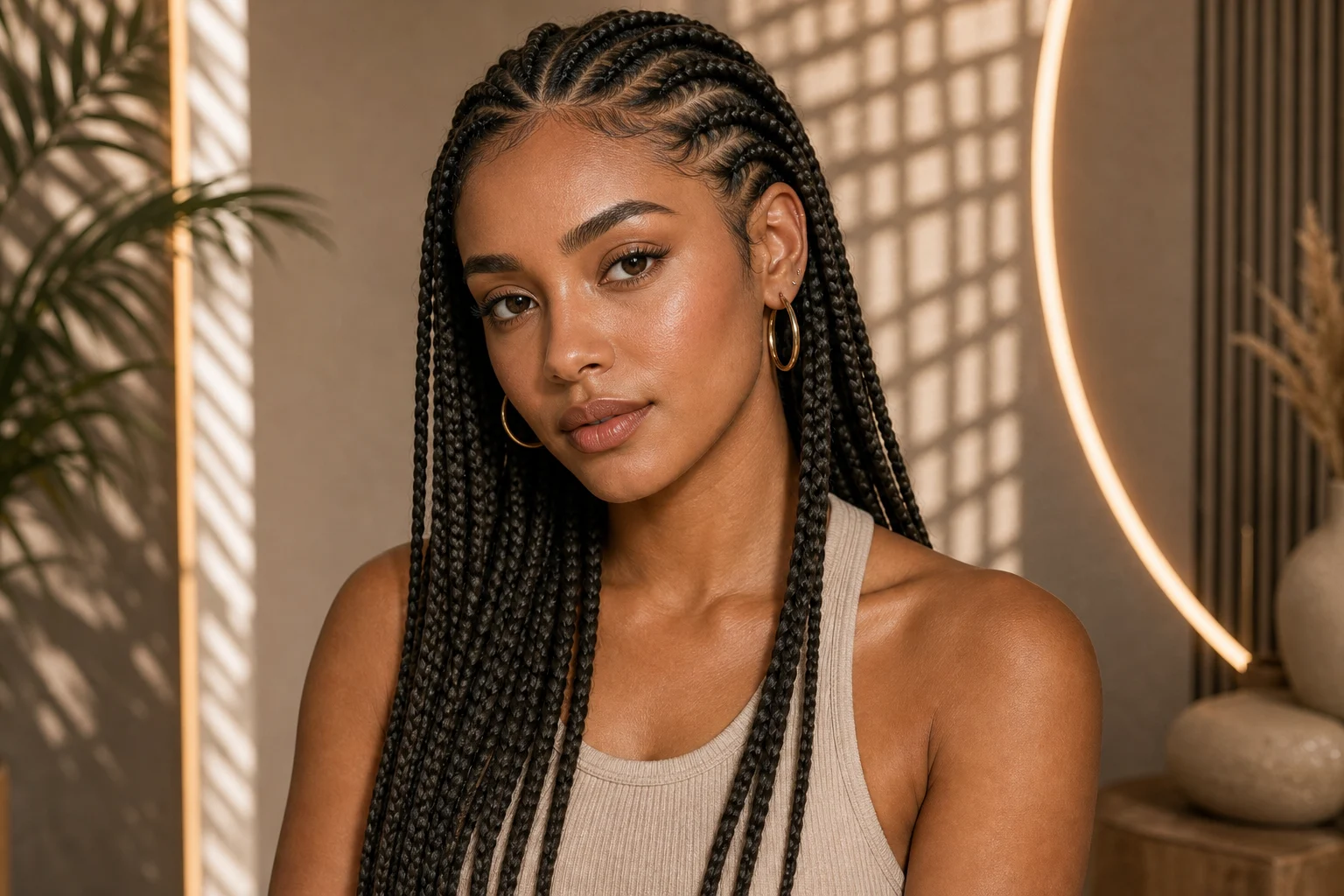
Apply a realistic braided hairstyle to the uploaded portrait. Preserve the same person, face shape, expression, pose, clothing, camera angle, lighting, and background. Change only the hair into the requested braid style, with natural parting, believable tension, strand detail, volume, hairline integration, highlights, and shadows. Keep facial identity and all non-hair details unchanged.
An AI Braids Filter creates a visual hairstyle preview from a portrait. It changes the visible hair pattern, length, volume, and finish while aiming to preserve the face, pose, clothing, lighting, and setting in the source photo.
A useful braid preview needs a clear boundary between what should change and what should remain recognizable.
Start with a visible hairline, describe one braid direction clearly, and review the result before choosing a look.
Choose a front-facing or three-quarter portrait with the face, hairline, and head shape visible.
Specify the braid type, length, thickness, color, parting, and any restrained accessories you want to preview.
Run the template prompt to restyle the hair while preserving the person and the rest of the image.
Check the hairline, braid direction, face, and lighting, then adjust one detail at a time if needed.
Use these examples as visual directions, then describe the details that matter for your own portrait.
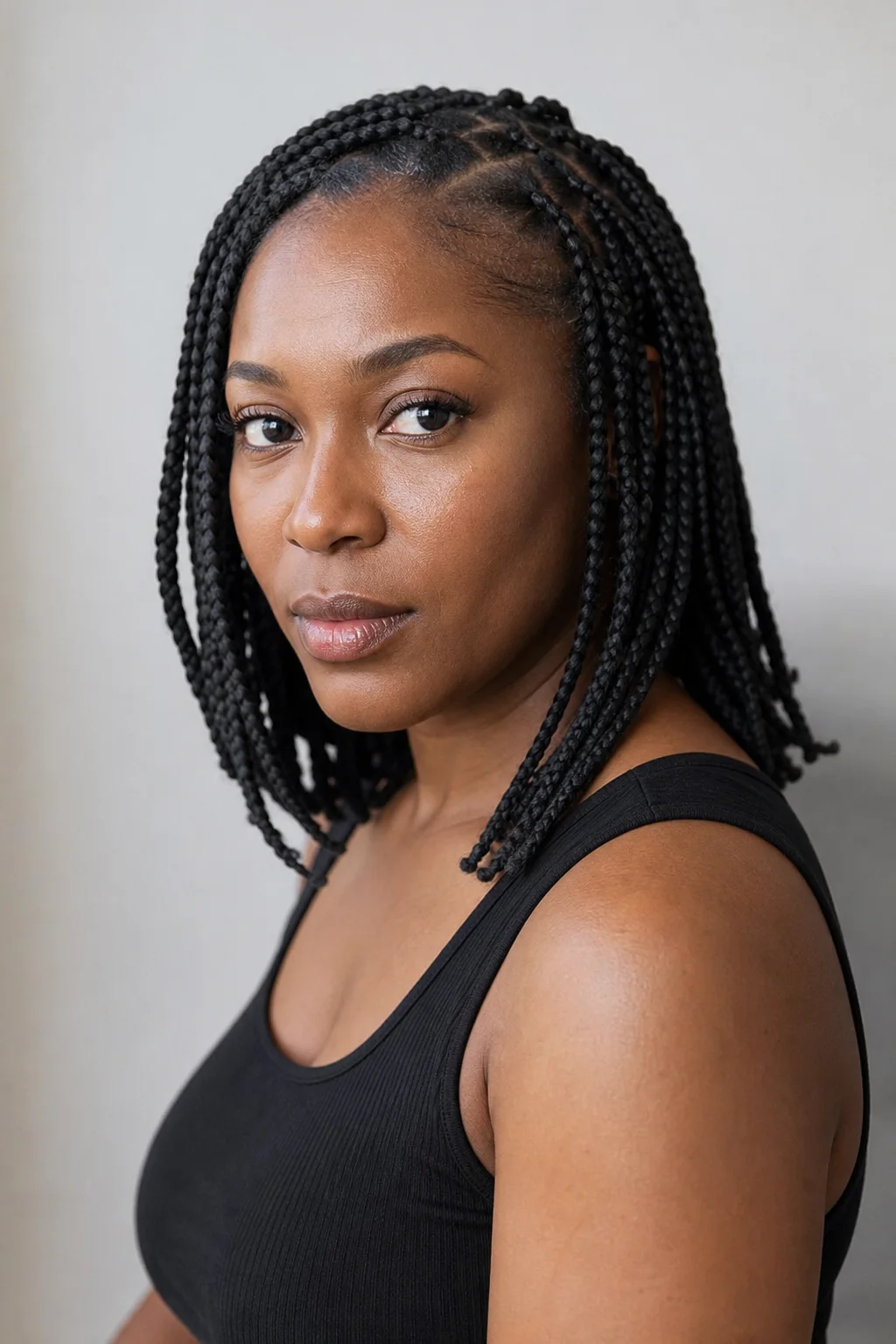
Balanced medium braids with a clean parting pattern and natural shoulder-length volume.
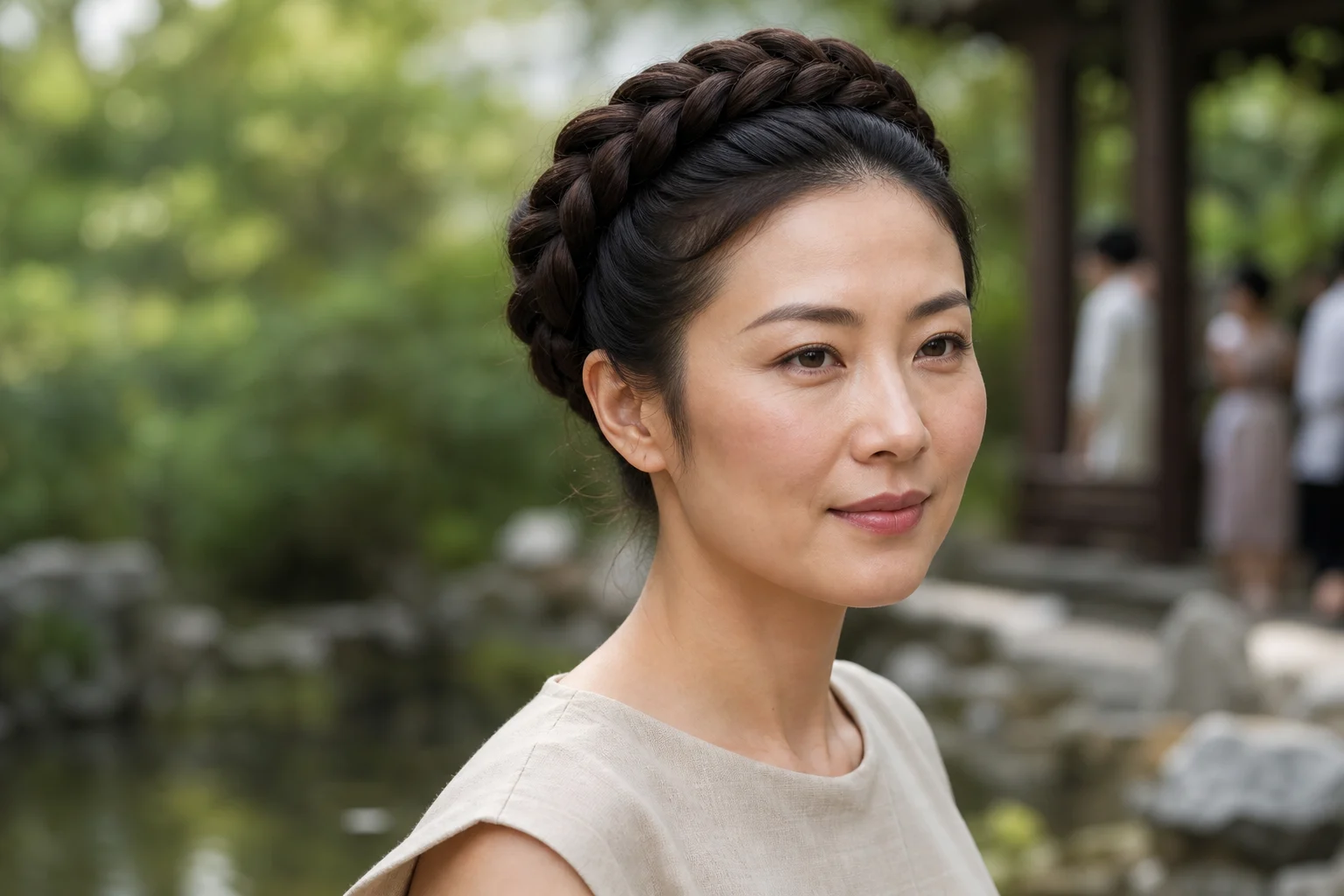
A wrapped crown braid that keeps the face open and creates a structured formal silhouette.
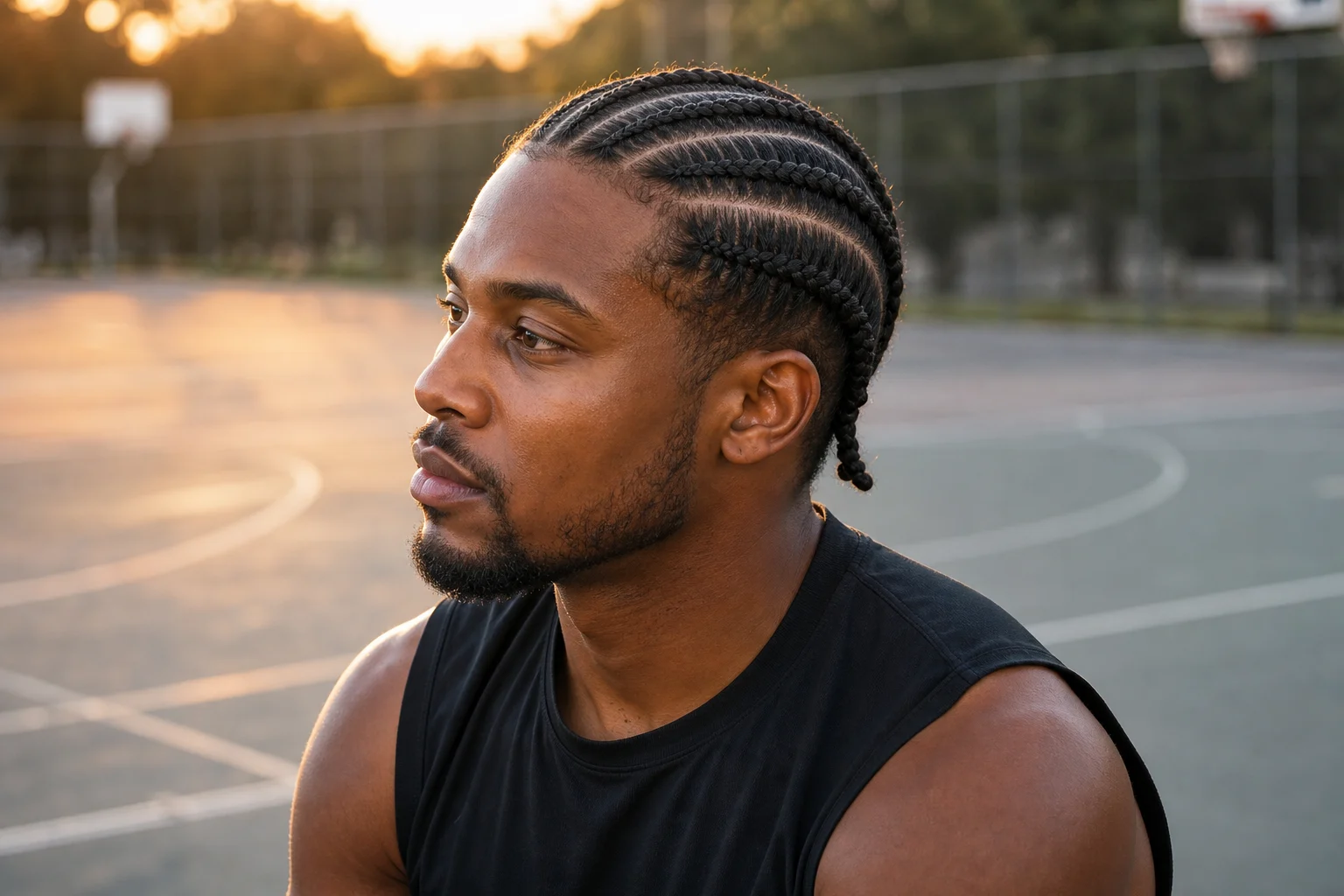
Close-to-scalp rows with visible direction, clean spacing, and a defined hairline transition.
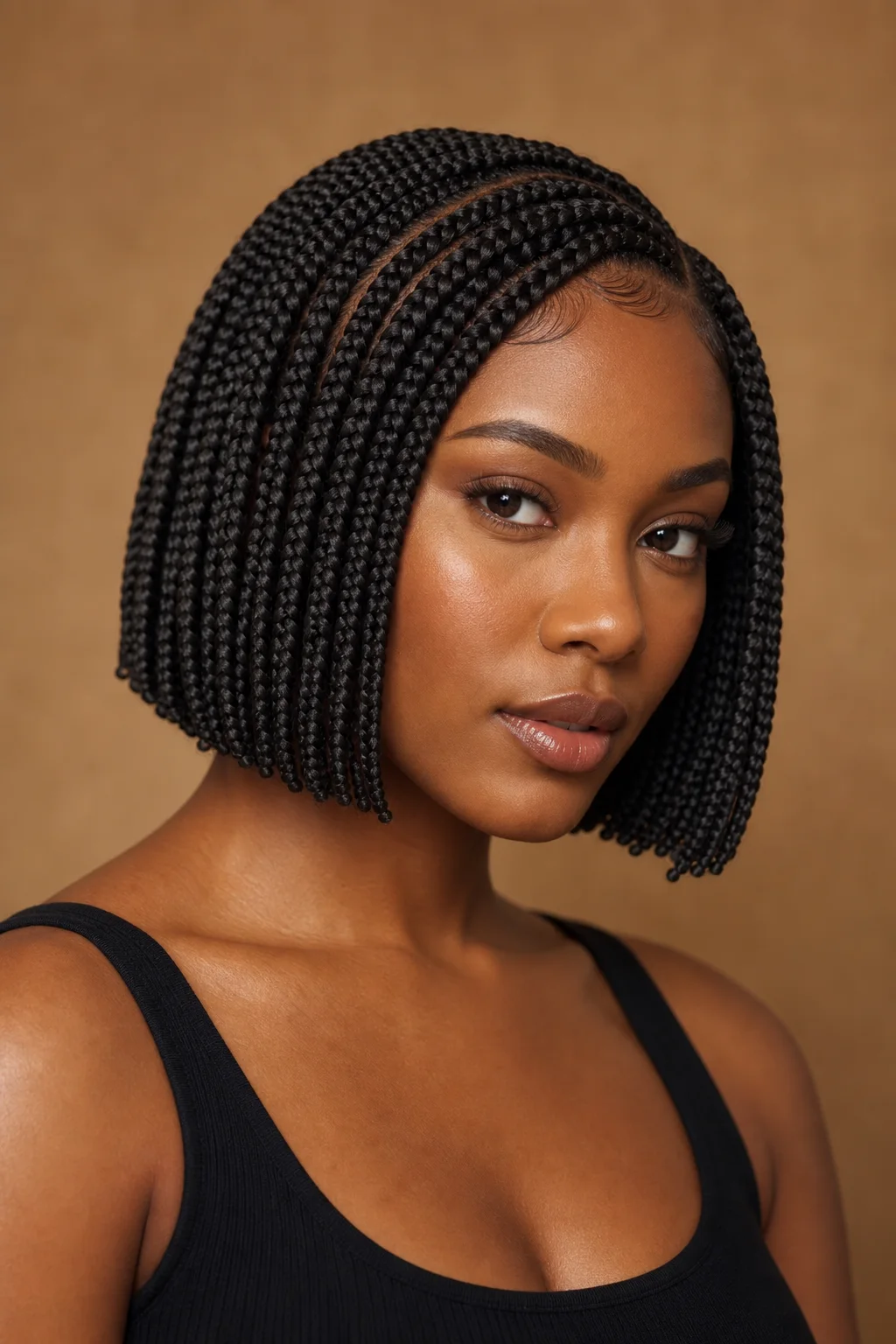
Short knotless braids with lighter root tension and a compact bob-shaped finish.
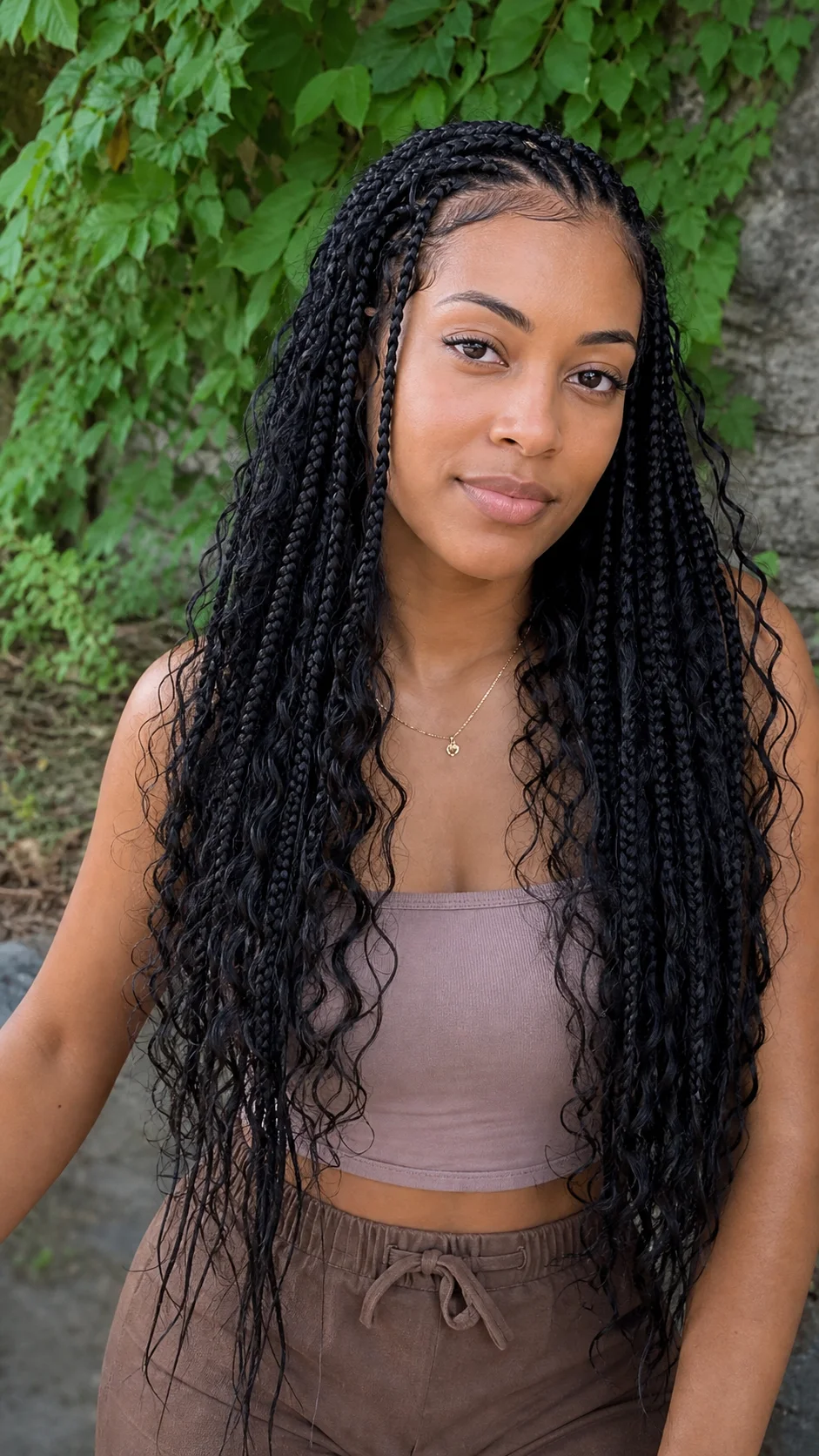
Braids mixed with loose curls for softer movement and a less uniform texture.
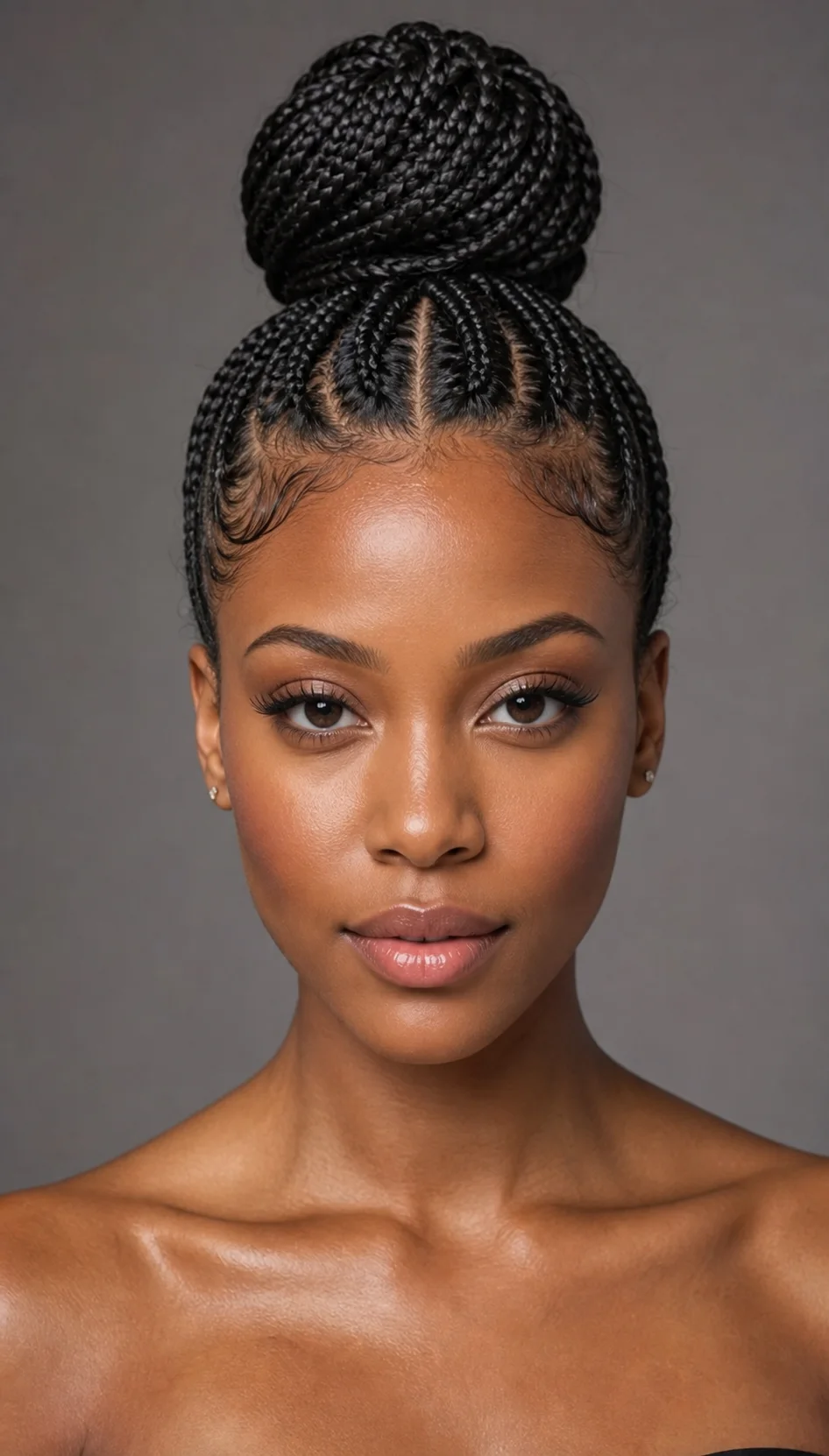
Braids gathered into a high bun with a clean upward direction and visible facial framing.
The generated image works best as a visual reference for comparing directions, not as a promise of an exact real-world result.
Review different braid lengths, parting patterns, colors, or updos on the same portrait before narrowing your options.
Create a starting visual to discuss with a professional braider, who can assess hair condition, tension, materials, and maintenance.
Explore braided-hair directions for character concepts, moodboards, social content, or creative preproduction.
A strong source image and a specific style request make it easier to preserve identity and place the braids naturally.
Name the braid style first, then add the desired length, thickness, parting, color, finish, and accessories. Keep identity, expression, pose, clothing, lighting, and background in the preserve instructions.
Braids contain repeated structures, so small placement errors can make an otherwise polished image feel artificial.
Check that braid roots connect naturally to the visible hairline without floating sections or abrupt texture changes.
Follow the parting and braid direction around the head to catch merged, broken, or inconsistent sections.
Compare the face shape, eyes, nose, mouth, skin tone, and expression with the original portrait.
Confirm that highlights, shadows, loose strands, and the outer silhouette fit the original scene.
Practical answers for creating and evaluating a braided hairstyle preview.
Upload a clear photo, describe the braid pattern and finish you want to explore, then compare the generated result with your original portrait.