01
Ein Referenzbild hochladen
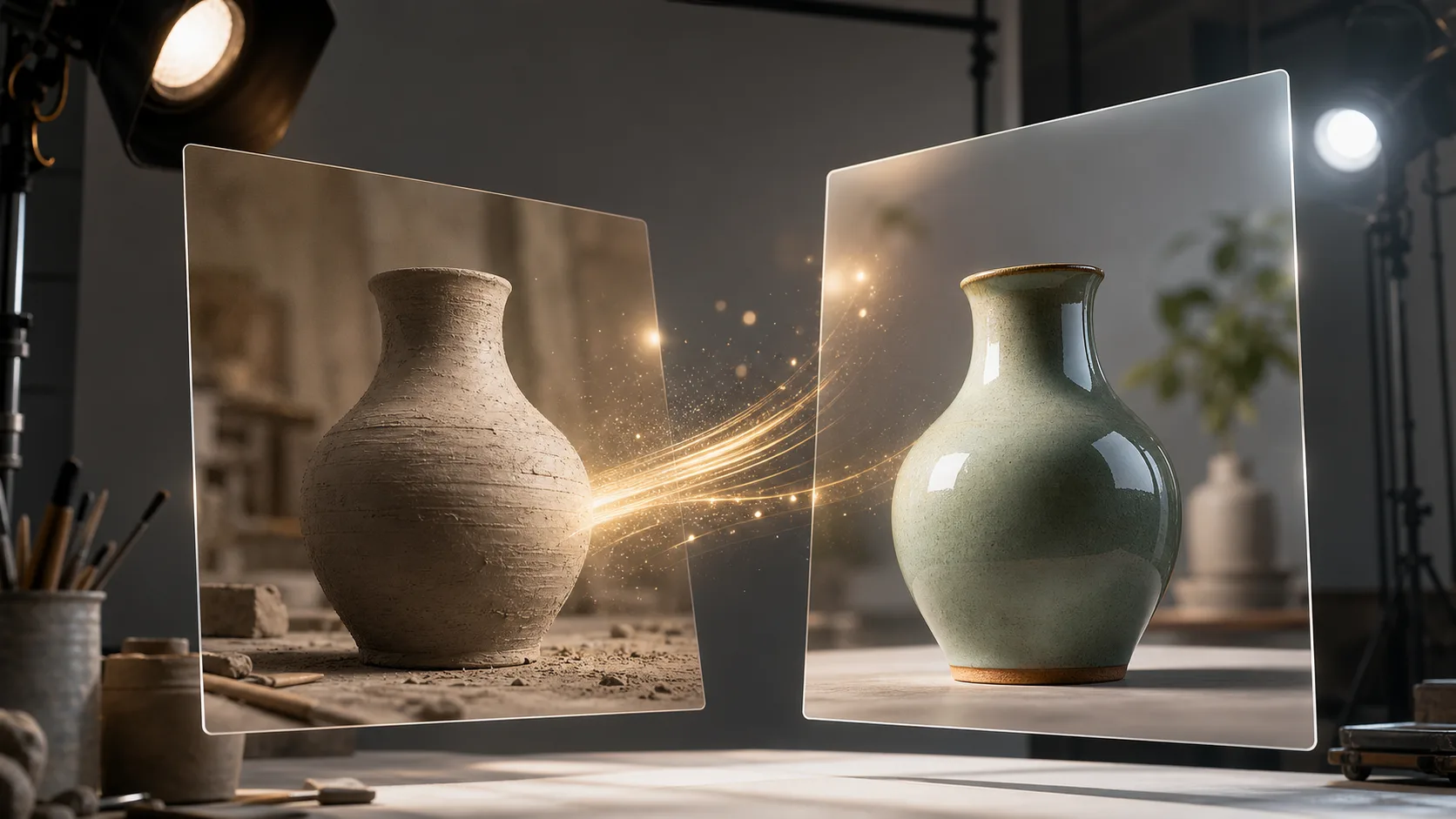
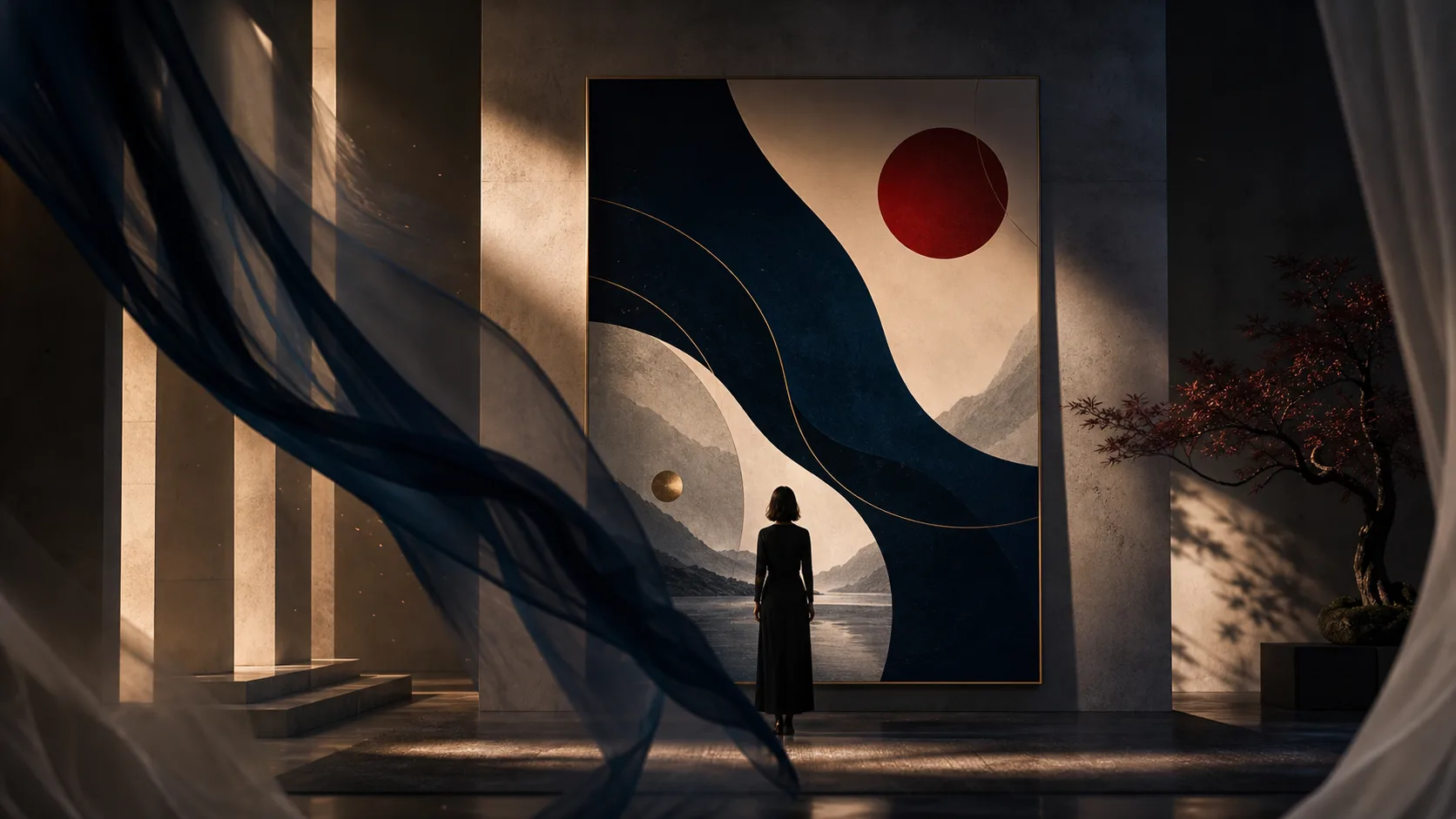
Wählen Sie eine gut erkennbare Figur, ein Produkt, einen Gegenstand, ein Poster oder eine Szene. Der aktuelle ClipCanva-Workflow akzeptiert pro Generierung ein Referenzbild.
Steuern Sie ein KI-Video mit einem Referenzbild. Halten Sie eine Figur, ein Produkt, den Bildaufbau oder den visuellen Stil näher an der Vorlage und bestimmen Sie gleichzeitig Handlung, Kamera und Tempo.
Geben Sie der Referenz eine klare Aufgabe und beschreiben Sie anschließend in der Eingabe, was in der neuen Einstellung geschehen soll.
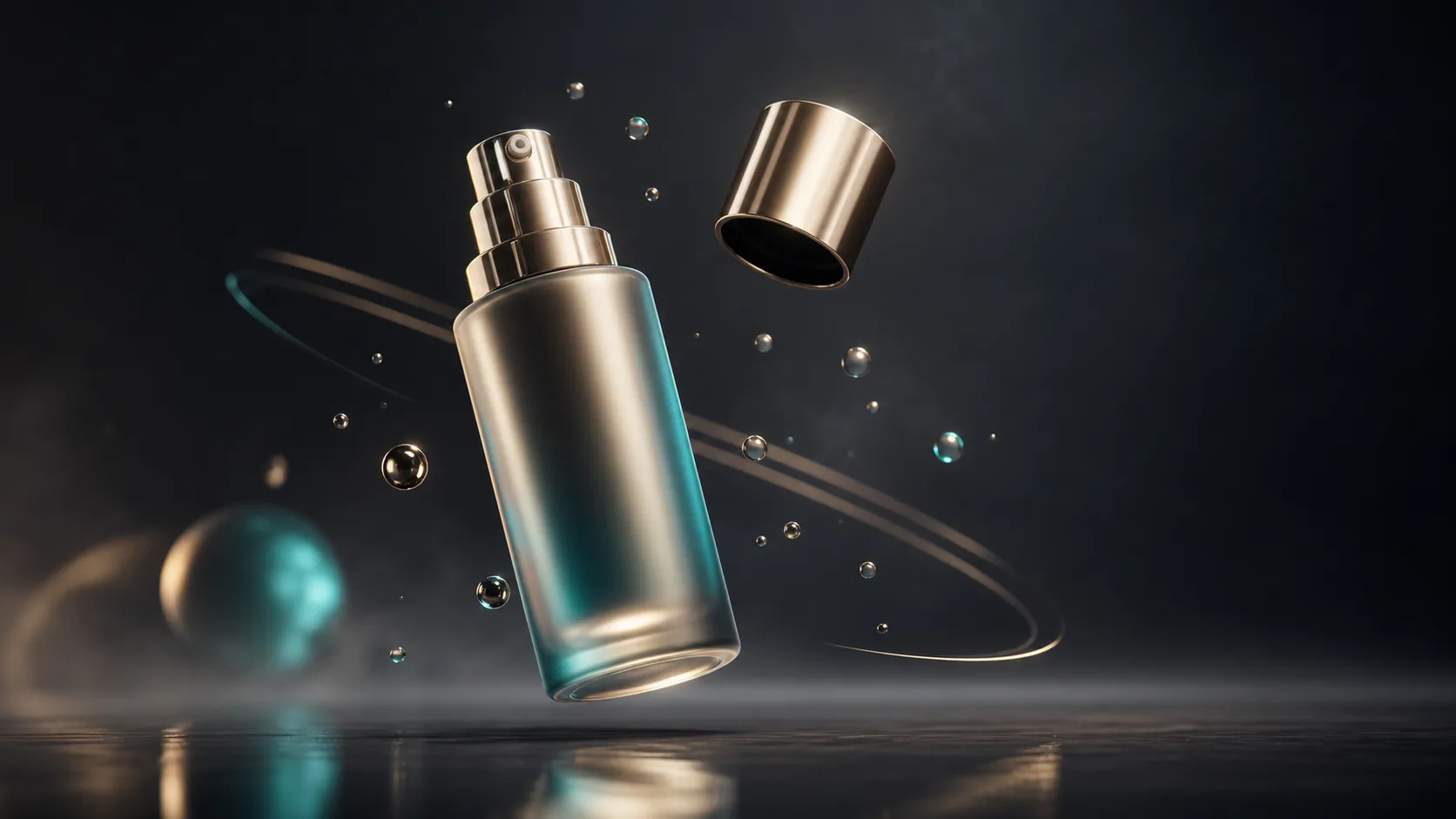
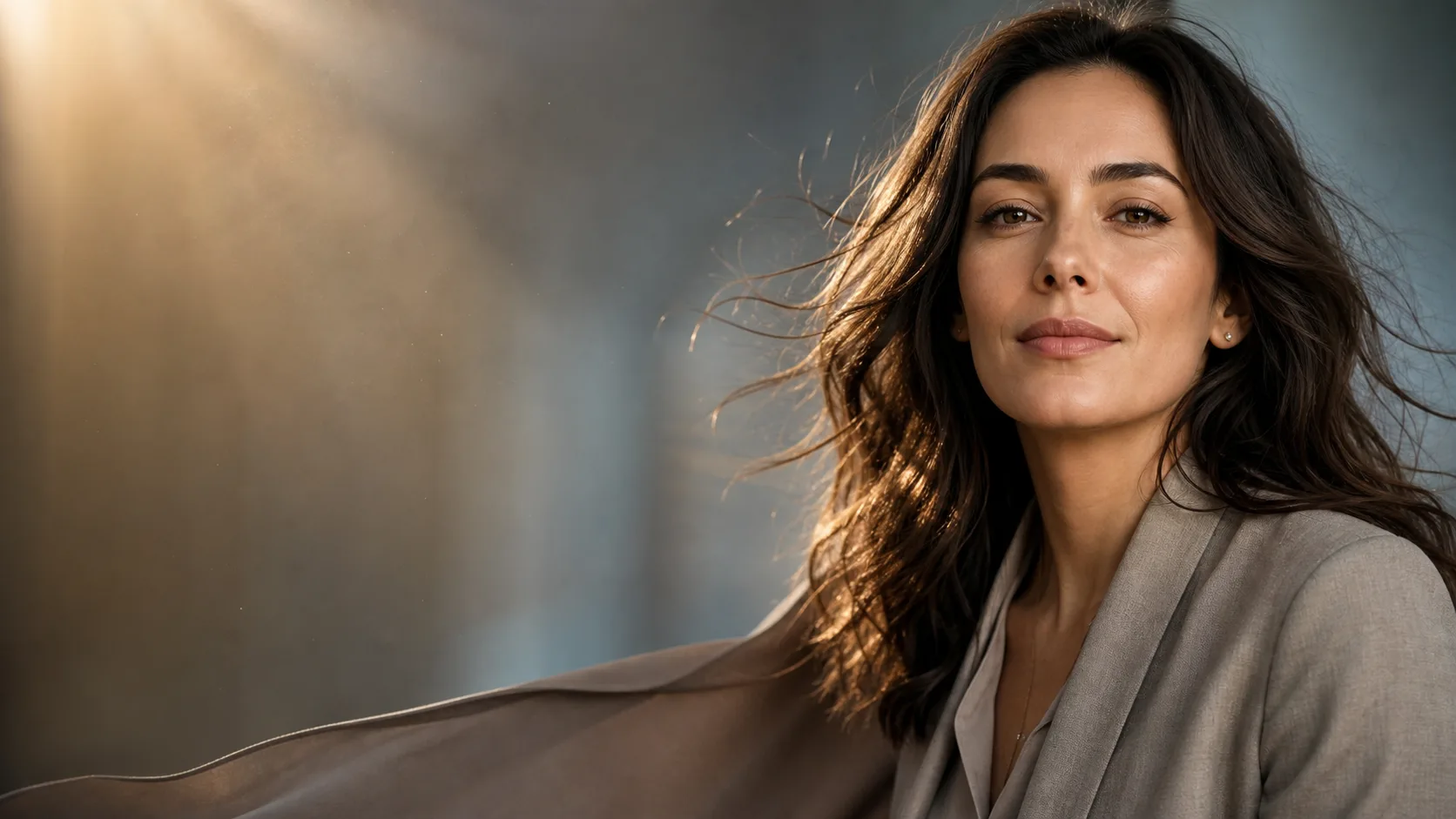

Verwenden Sie ein eindeutiges Referenzbild, trennen Sie visuelle Vorgaben von der Handlung und prüfen Sie das Ergebnis auf Abweichungen.
Wählen Sie eine gut erkennbare Figur, ein Produkt, einen Gegenstand, ein Poster oder eine Szene. Der aktuelle ClipCanva-Workflow akzeptiert pro Generierung ein Referenzbild.
Geben Sie an, ob die Referenz Gesicht, Kleidung, Produktform, Farben, Bildaufbau, Beleuchtung oder den gesamten visuellen Stil bestimmen soll.
Beschreiben Sie Handlung, Kamerabewegung, Umgebung, Stimmung und Tempo. Formulieren Sie die Bewegung kurz und präzise, damit sie nicht mit den visuellen Vorgaben konkurriert.
Prüfen Sie Gesichter, Kleidung, Produktdetails, Logos, Text, Hände und Hintergründe, bevor Sie den Clip verwenden. Vereinfachen Sie die Eingabe und generieren Sie erneut, wenn sich wichtige Details verändern.
Wählen Sie diesen Workflow, wenn eine Figur, ein Produkt, der Bildaufbau oder ein visueller Stil eine neu generierte Einstellung beeinflussen soll.
Wählen Sie Bild zu Video, wenn das hochgeladene Bild zum ersten Frame werden soll und Sie hauptsächlich diesen bestehenden Bildaufbau animieren möchten.
Nutzen Sie das Bild, um Identität, Produktoptik, Farben, Ausschnitt, Licht oder Stil vorzugeben. Nennen Sie die wichtigste Priorität in der Eingabe.
Beschreiben Sie Handlung des Motivs, Kameraführung, Verhalten des Hintergrunds, Atmosphäre und Tempo getrennt von der visuellen Referenz.
Ein Referenzbild kann zufällige Abweichungen verringern. Generierte Gesichter, Produkte, Logos, Texte und kleine Details können sich dennoch verändern und müssen geprüft werden.
Starten Sie je nach gewünschter Kontrolle mit einer Referenz, einem festen ersten Frame oder einer geschriebenen Szene.
Kostenlose Bilder enthalten ein Wasserzeichen. Upgraden Sie für saubere Ausgaben, schnellere Generierung und kommerzielle Nutzung.
Starter-Paket
Ein einmaliges Credit-Paket, um Bild-, Musik- und Kurzvideo-Erstellung auszuprobieren.
Schöpfer
Monatstarif · 1.500 Credits werden jeden Monat erneuert
GPT Image 2 Unlimited
Code FOUNDING6 im Stripe Checkout eingeben: in den ersten 6 Monaten $19/Monat, danach $29/Monat.
Profi
Für saubere, schnellere Ausgaben
Studio
Monatstarif · 12.000 Credits werden jeden Monat erneuert
Sicherer Checkout · Abos verlängern sich automatisch · Rückerstattungsbedingungen ansehen
Team
Für Agenturen, Produktionsteams und individuelle Volumenanforderungen.
Wählen Sie die passende Eingabe und setzen Sie realistische Erwartungen, bevor Sie generieren.
Laden Sie ein Referenzbild hoch, beschreiben Sie, was konsistent bleiben soll, und bestimmen Sie die Handlung eines neuen kurzen Videos.