
Thêm dữ liệu nghiên cứu của bạn
Dán ghi chú nghiên cứu, mô tả bản phác thảo hoặc viết câu lệnh nêu quy trình, mô hình, biến số hoặc luồng công việc bạn muốn trực quan hóa.
Tạo ý tưởng sơ đồ nghiên cứu từ ghi chú nghiên cứu, bản phác thảo hoặc câu lệnh. Định hướng chủ đề, bối cảnh, hướng trực quan và định dạng đích để kết quả phù hợp với nhiệm vụ nghiên cứu, thuyết trình hoặc lập kế hoạch của bạn.
Trình tạo sơ đồ nghiên cứu bằng AI là công cụ chuyên biệt giúp biến ghi chú nghiên cứu, bản phác thảo hoặc hướng dẫn bằng văn bản thành các ý tưởng sơ đồ nghiên cứu. Công cụ được thiết kế cho người cần điểm khởi đầu trực quan rõ ràng để truyền đạt phương pháp, mô hình hoặc quy trình làm việc.
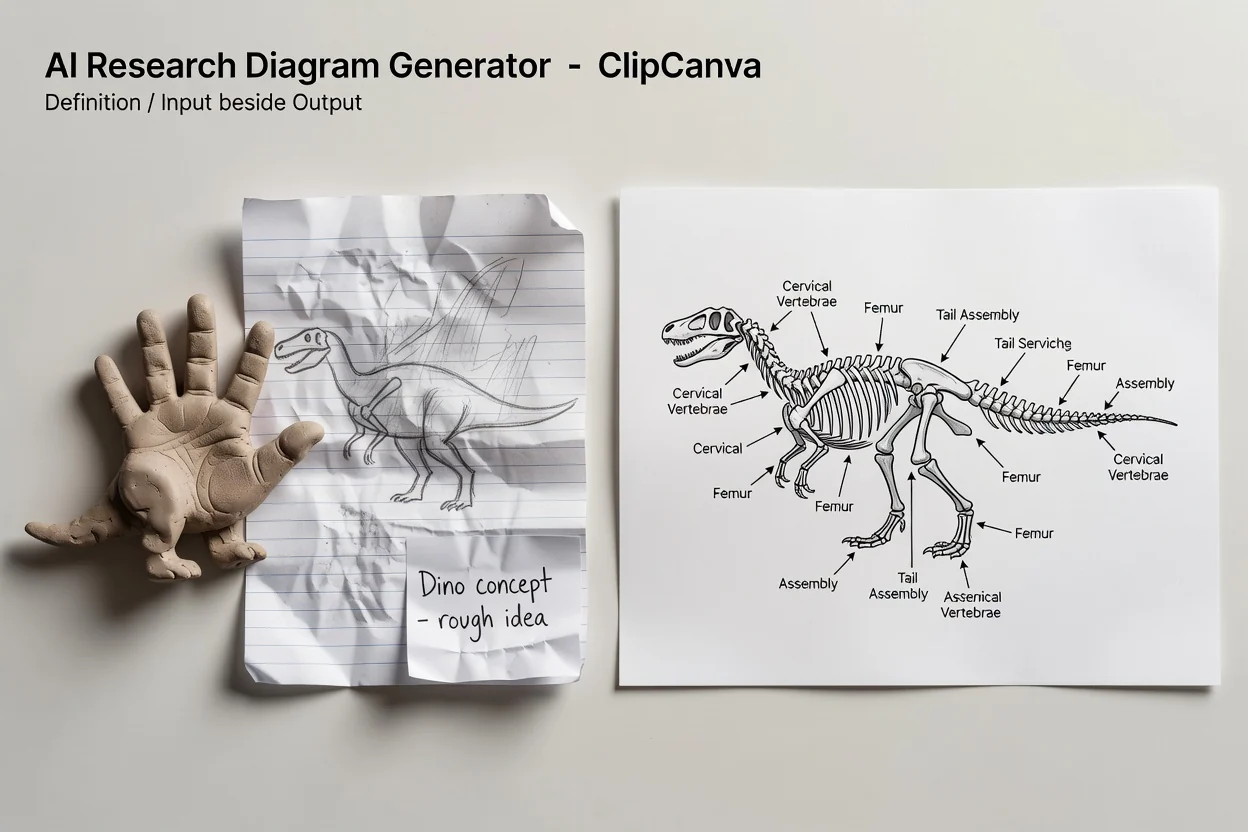
Dùng câu lệnh để giải thích sơ đồ cần thể hiện điều gì, sau đó điều chỉnh các tùy chọn có sẵn để định hướng hình ảnh nghiên cứu.
Dán ghi chú nghiên cứu, mô tả bản phác thảo hoặc viết câu lệnh nêu quy trình, mô hình, biến số hoặc luồng công việc bạn muốn trực quan hóa.
Thiết lập độ chi tiết câu lệnh, hướng trực quan, chủ đề và bối cảnh cùng định dạng đích để hướng công cụ tạo sơ đồ nghiên cứu đến mục đích sử dụng của bạn.
Tạo bằng Trình tạo sơ đồ nghiên cứu bằng AI, sau đó so sánh kết quả với yêu cầu của bạn và tinh chỉnh hướng dẫn nếu ý tưởng cần thay đổi.
Công cụ tạo sơ đồ nghiên cứu giúp định hình ý tưởng hình ảnh dựa trên thông tin bạn cung cấp, đồng thời hiển thị các tùy chọn tạo quan trọng trước khi bắt đầu.
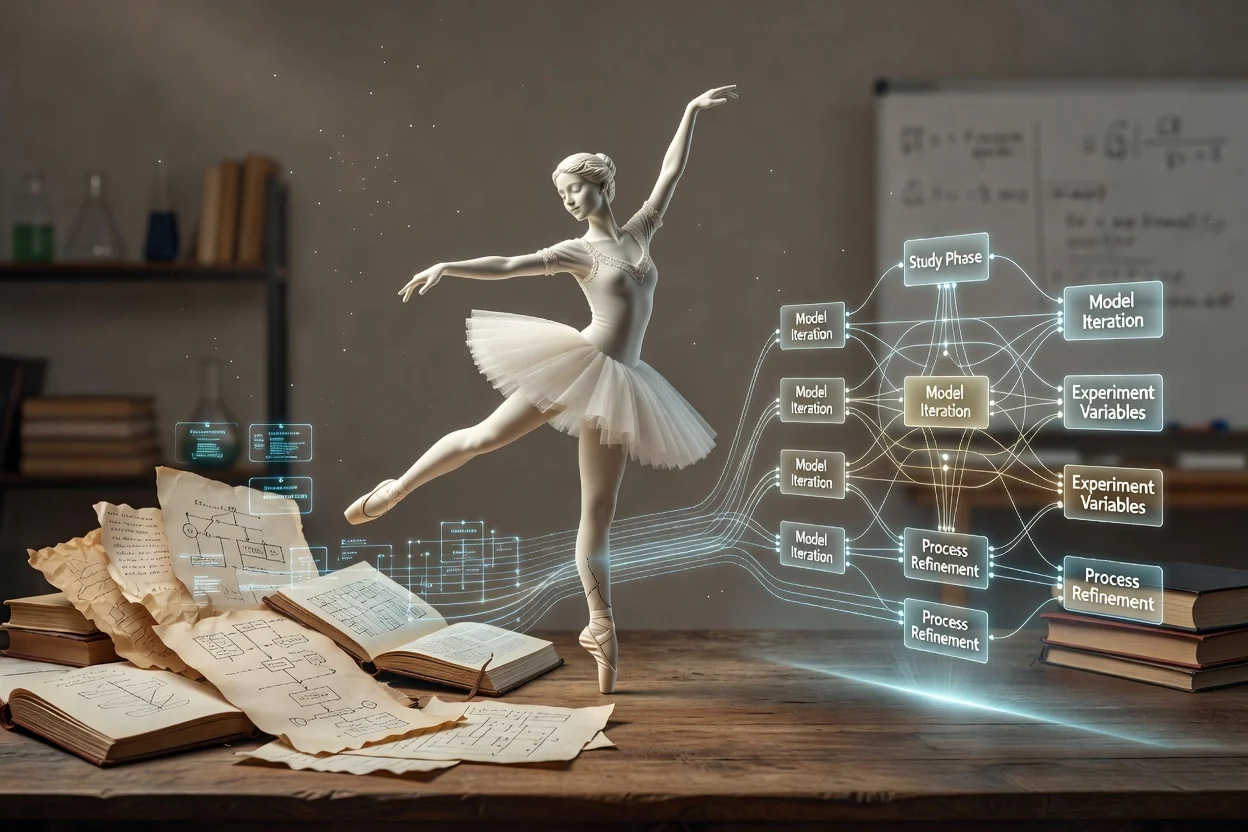
Mô tả nghiên cứu, mô hình, thí nghiệm hoặc quy trình bạn muốn thể hiện, rồi tinh chỉnh mức độ chi tiết của câu lệnh để làm rõ mối quan hệ và trọng tâm.
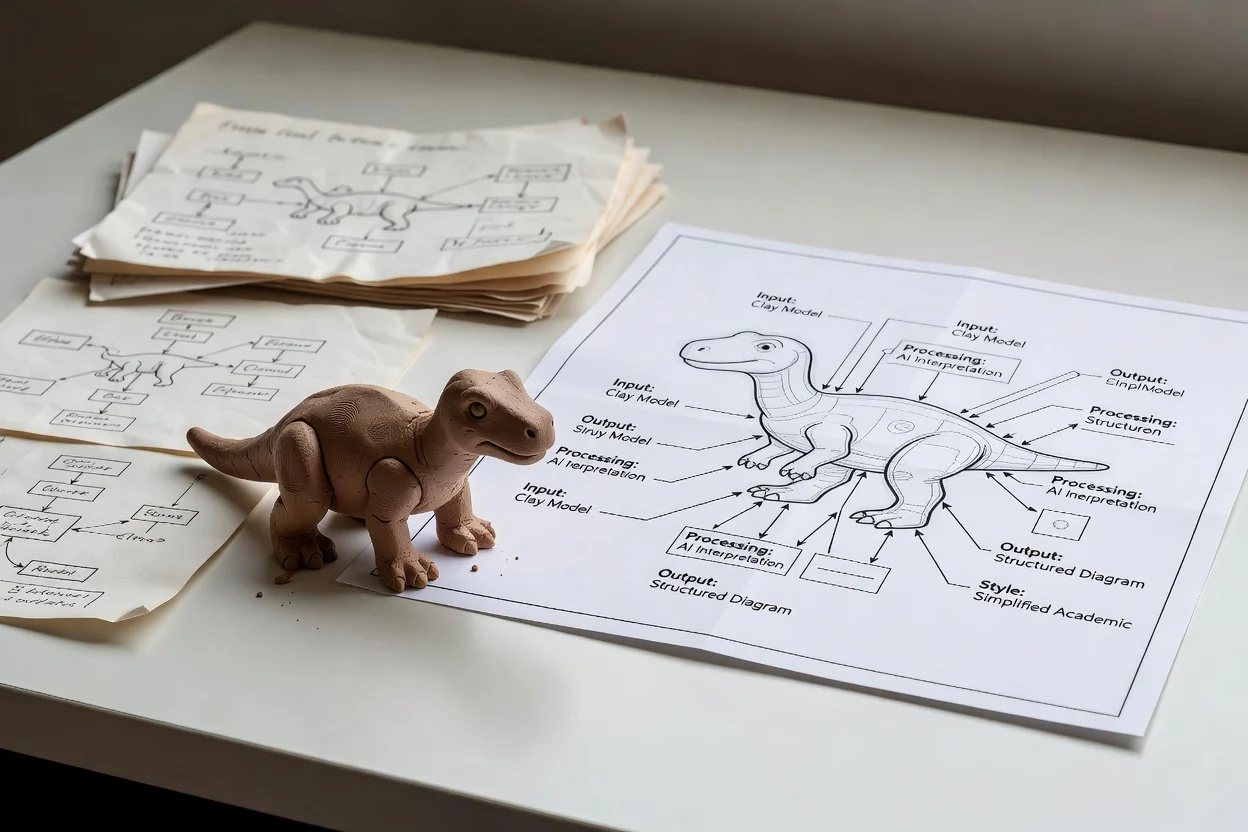
Thiết lập hướng trực quan cho hình ảnh, như phong cách học thuật rõ ràng, sẵn sàng cho thuyết trình, kỹ thuật hoặc đơn giản hóa cho đối tượng rộng hơn.

Nêu rõ chủ đề và bối cảnh để ý tưởng sơ đồ phản ánh ngữ cảnh nghiên cứu thay vì chỉ là đồ họa chung chung.
Dùng kết quả làm điểm khởi đầu trực quan cho công việc truyền đạt nghiên cứu, lập kế hoạch hoặc thuyết trình.
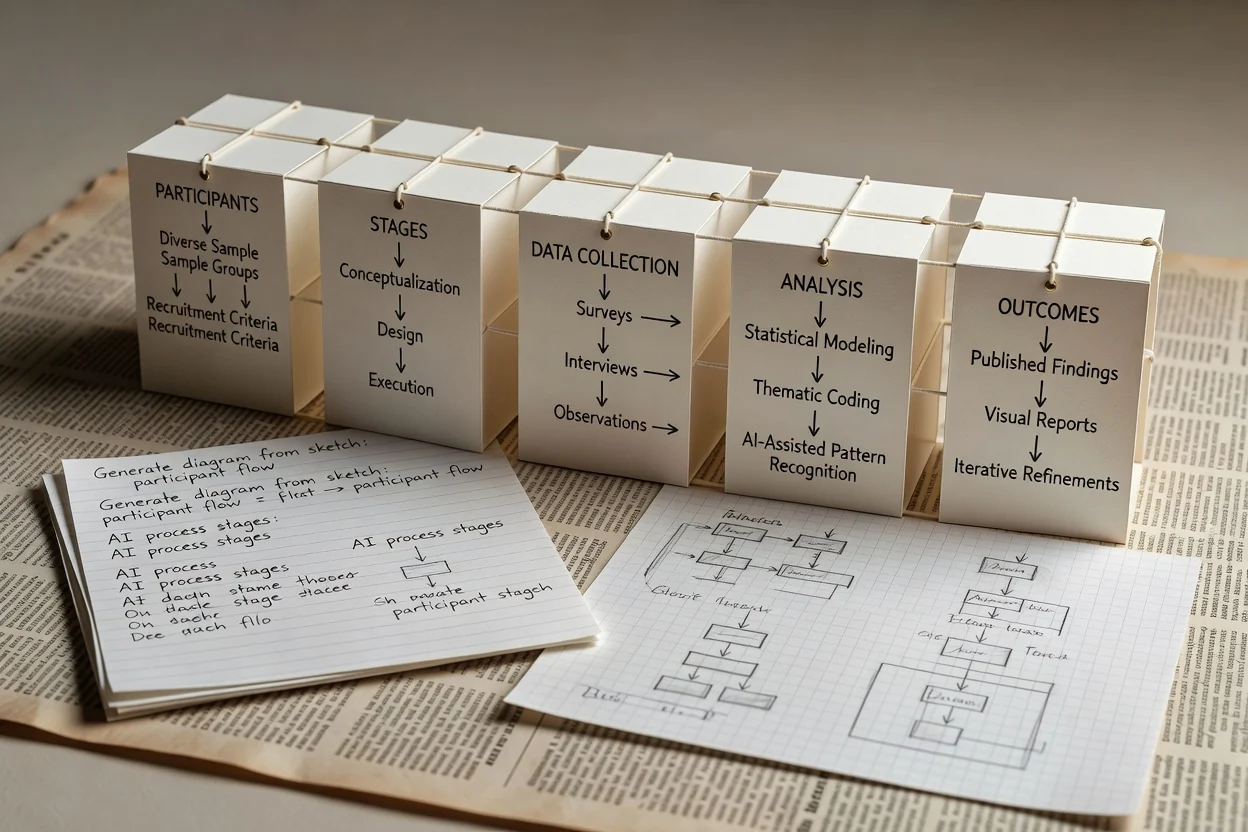
Tạo sơ đồ phương pháp rõ ràng, giải thích người tham gia, các giai đoạn, thu thập dữ liệu, phân tích và kết quả.
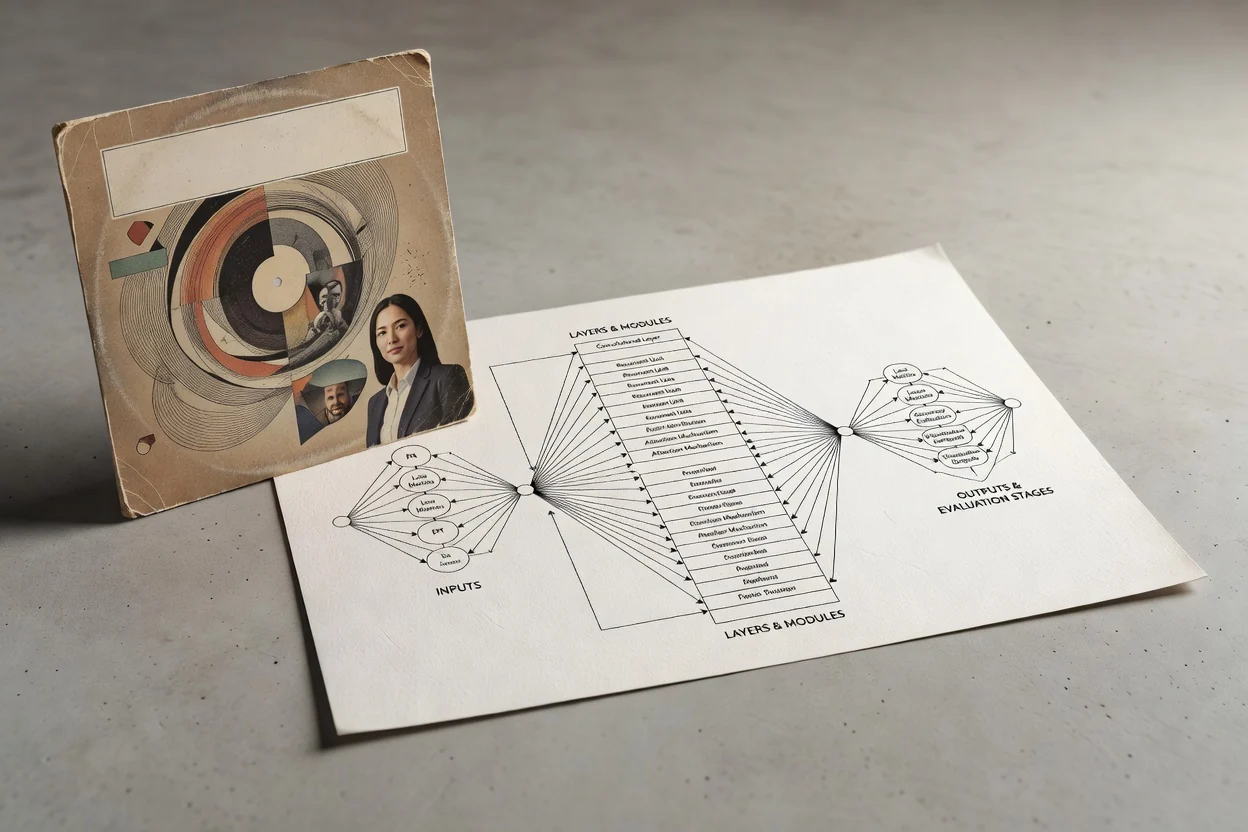
Lập bản đồ kiến trúc mô hình với đầu vào, các lớp, mô-đun, đầu ra hoặc giai đoạn đánh giá để dễ giải thích hơn.
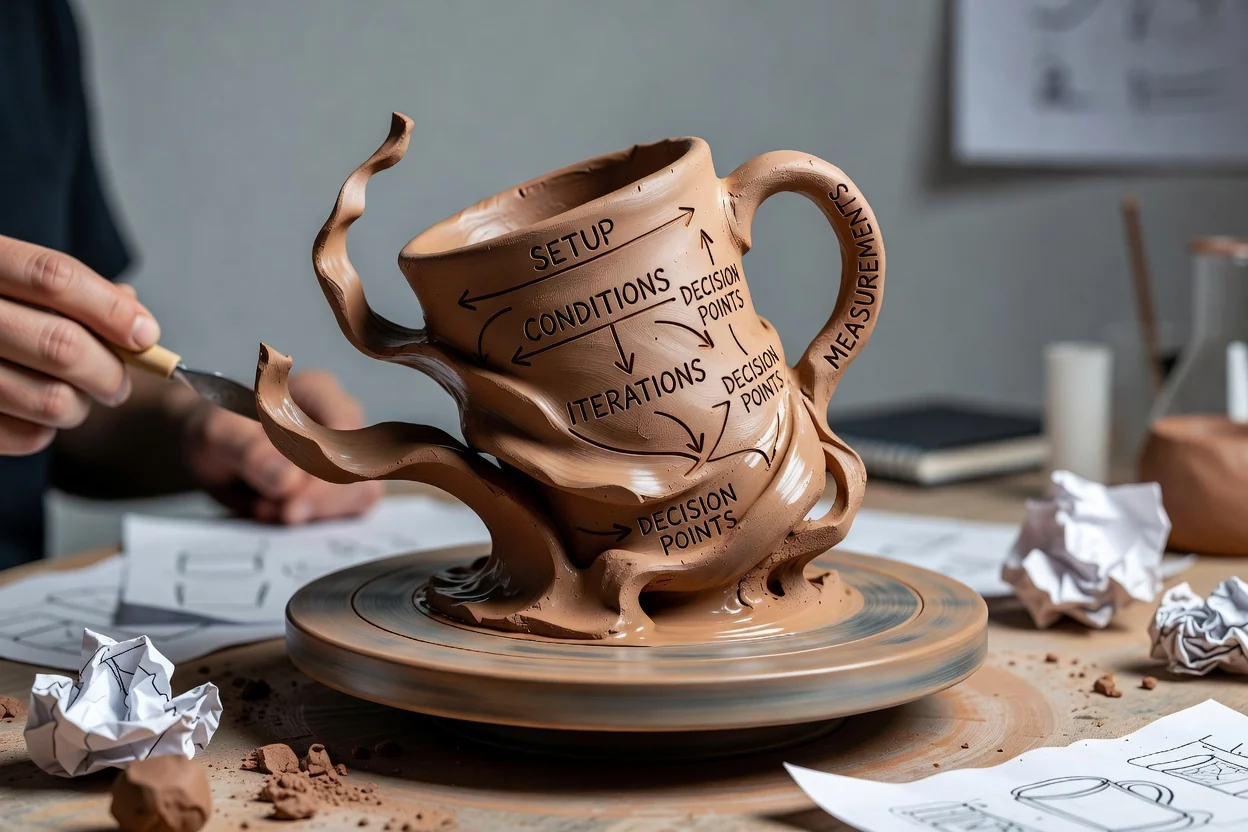
Trực quan hóa quy trình thí nghiệm, bao gồm thiết lập, điều kiện, lần lặp, phép đo và điểm ra quyết định.
Trước khi dùng kết quả, hãy đối chiếu ý tưởng sơ đồ với yêu cầu của bạn và các yêu cầu thực tế của nơi sử dụng.
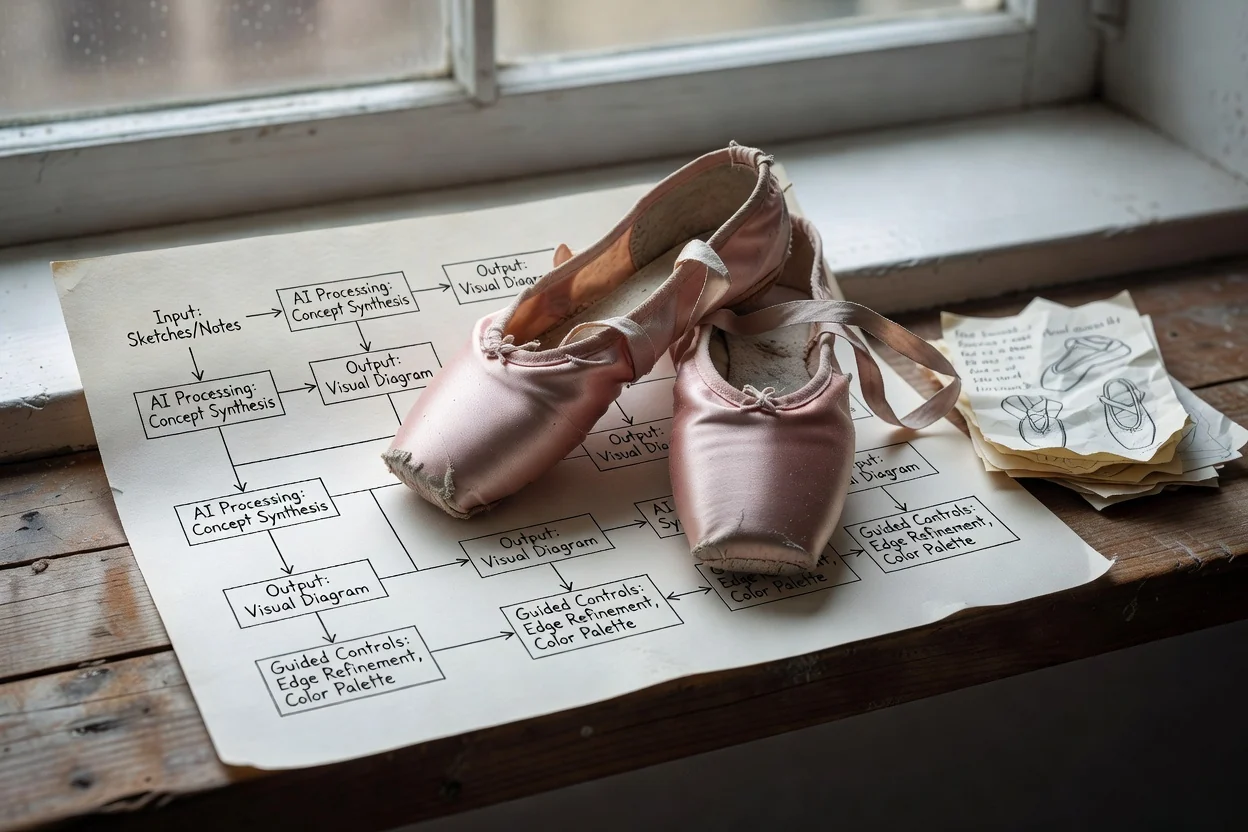
Kiểm tra xem ý tưởng sơ đồ có phù hợp với mục tiêu nghiên cứu, đối tượng và nhiệm vụ truyền đạt hay không.
Xem lại nhãn, mối quan hệ, trình tự và các chi tiết hỗ trợ để hình ảnh không bỏ sót thông tin thiết yếu.
Xác nhận phần cắt và định dạng đích trước khi dùng kết quả trong trang trình chiếu, tài liệu hoặc bố cục web.
Kết quả do AI tạo có thể khác nhau và hình ảnh nghiên cứu cần được kiểm tra trước khi dùng trong bài thuyết trình, báo cáo hoặc tài liệu lập kế hoạch.
Cùng một yêu cầu có thể tạo ra các ý tưởng sơ đồ khác nhau, vì vậy hãy chọn kết quả phù hợp nhất với mục tiêu nghiên cứu của bạn.
Các chi tiết, nhãn, mối quan hệ và điểm nhấn trực quan quan trọng cần được xem xét, đặc biệt với phương pháp hoặc cấu trúc mô hình phức tạp.
Giải đáp các câu hỏi thường gặp về việc dùng Trình tạo sơ đồ nghiên cứu bằng AI để lập kế hoạch hình ảnh phục vụ nghiên cứu.
Tạo bằng Trình tạo sơ đồ nghiên cứu bằng AI từ ghi chú nghiên cứu, bản phác thảo hoặc câu lệnh của bạn, rồi xem lại ý tưởng sơ đồ trước khi đưa vào dự án.