01
Envie uma imagem de referência
Escolha um personagem, produto, objeto, pôster ou cenário bem visível. O fluxo atual do ClipCanva aceita uma única imagem de referência por geração.
Oriente um vídeo com IA usando uma imagem de referência. Mantenha um personagem, produto, composição ou estilo visual mais próximo da fonte enquanto define a ação, a câmera e o ritmo.
Dê uma função clara à referência e use o comando para descrever o que deve acontecer na nova cena.
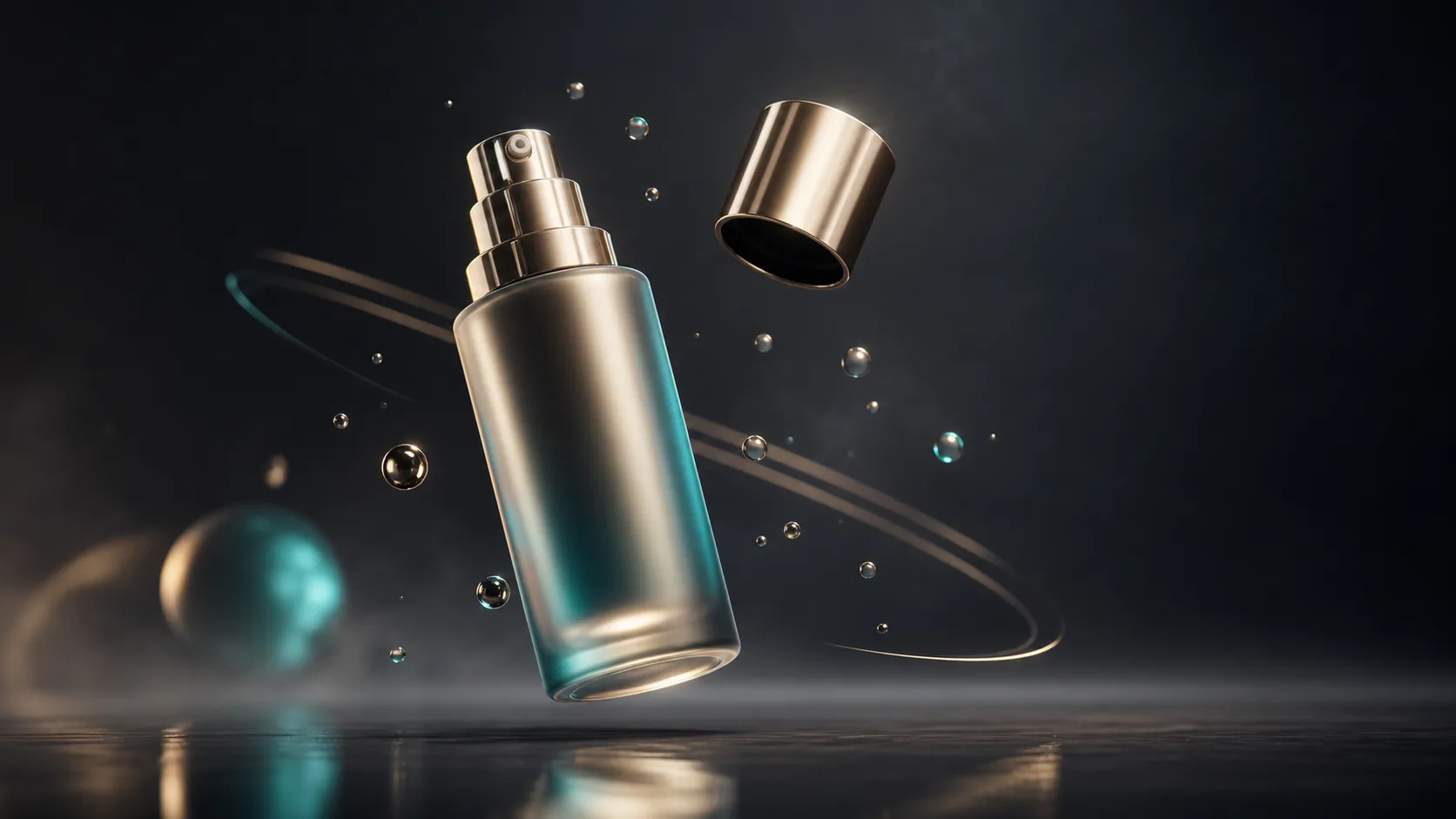
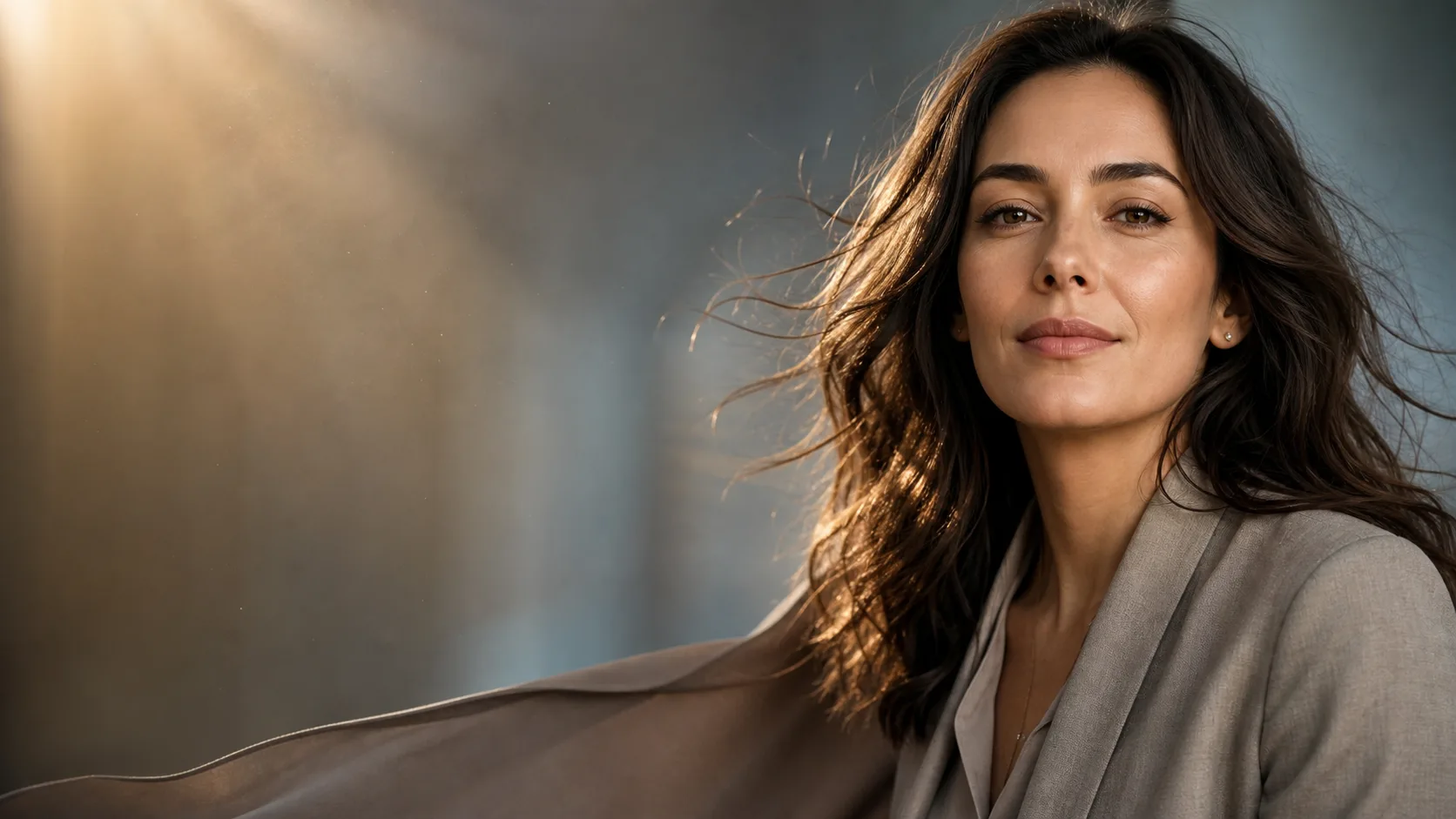
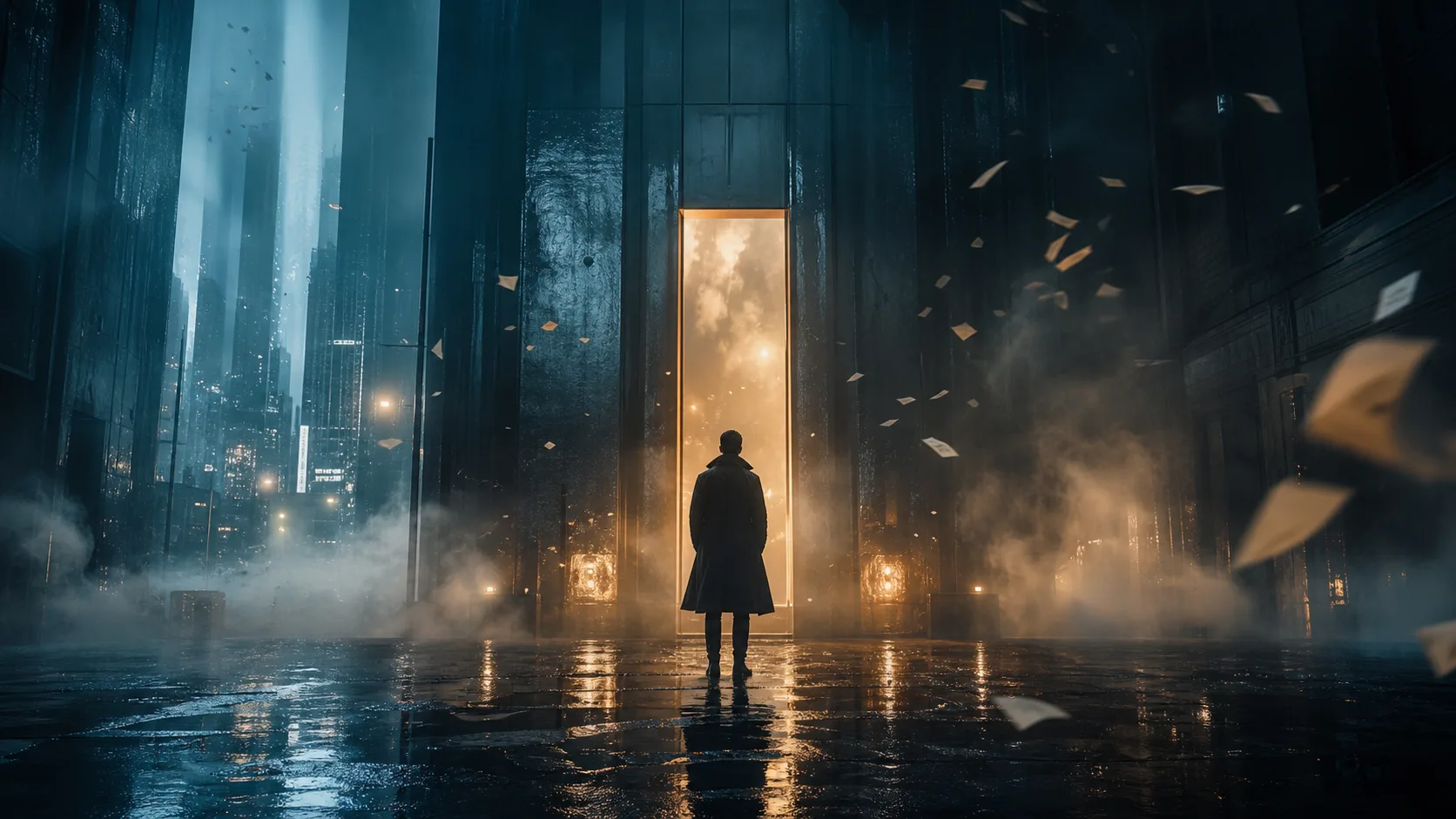

Use uma imagem de referência clara, separe as restrições visuais da ação e revise o resultado para detectar desvios.
Escolha um personagem, produto, objeto, pôster ou cenário bem visível. O fluxo atual do ClipCanva aceita uma única imagem de referência por geração.
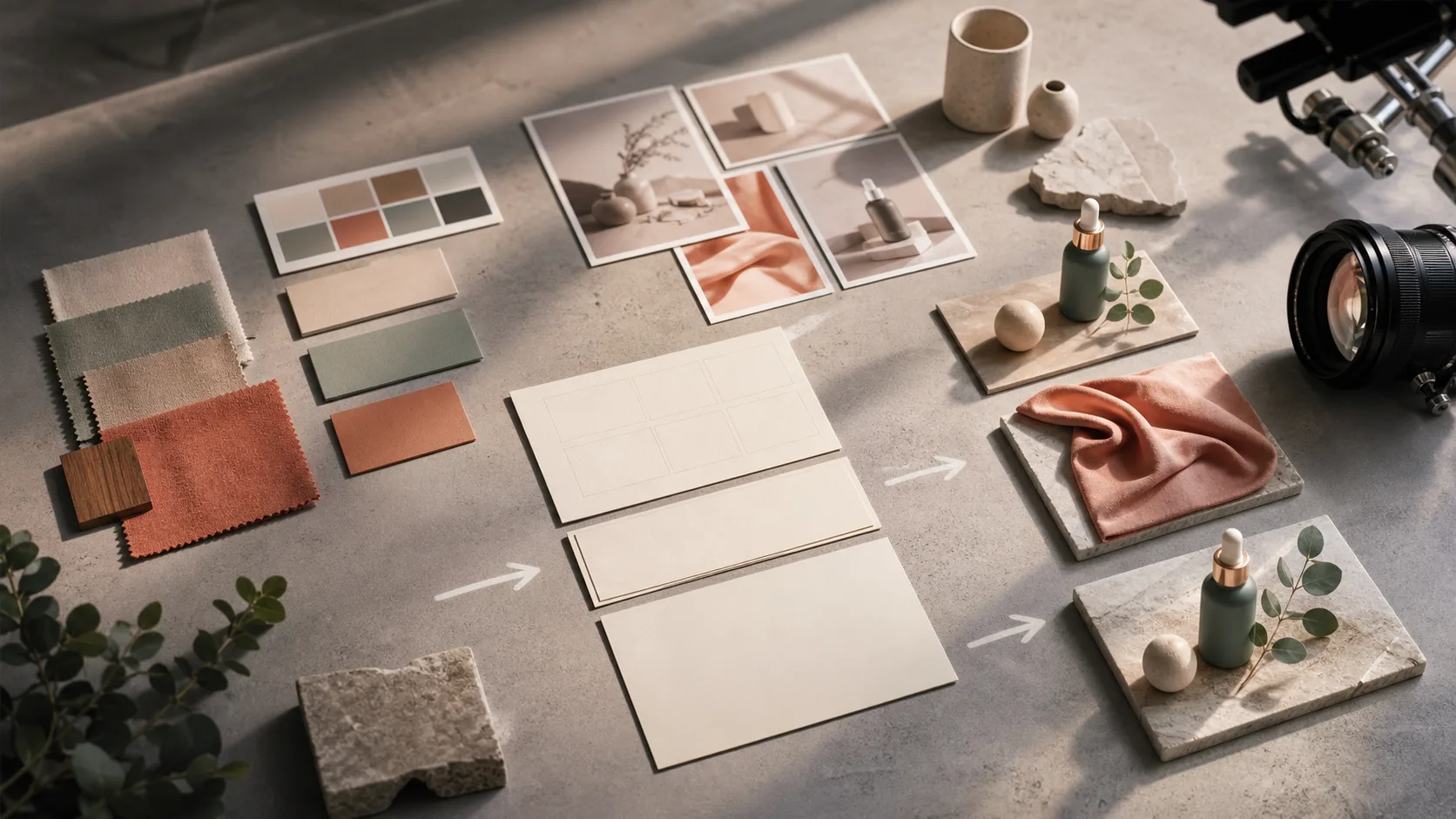
Informe se a referência deve orientar o rosto, a roupa, o formato do produto, as cores, a composição, a iluminação ou o estilo visual geral.
Descreva a ação, o movimento da câmera, o ambiente, o clima e o ritmo. Mantenha o movimento breve e específico para que ele não concorra com as restrições visuais.
Revise rostos, roupas, detalhes do produto, logotipos, textos, mãos e fundos antes de usar o clipe. Simplifique o comando e gere novamente se detalhes importantes mudarem.
Escolha este fluxo quando um personagem, produto, composição ou estilo visual precisar influenciar uma nova cena gerada.
Escolha o modo de imagem para vídeo quando a imagem enviada deve se tornar o primeiro quadro e você quer principalmente animar essa composição.
Use a imagem para orientar identidade, aparência do produto, cores, enquadramento, iluminação ou estilo. Indique a prioridade no comando.
Descreva a ação do assunto, a direção da câmera, o comportamento do fundo, a atmosfera e o ritmo separadamente da referência visual.
Uma imagem de referência pode reduzir variações aleatórias, mas rostos, produtos, logotipos, textos e pequenos detalhes gerados ainda podem mudar e precisam ser revisados.
Comece por uma referência, um primeiro quadro fixo ou uma cena escrita, conforme o que você precisa controlar.
Imagens gratuitas incluem marca d’água. Faça upgrade para saídas limpas, geração mais rápida e uso comercial.
Pacote inicial
Um pacote único de créditos para testar geração de imagens, música e vídeos curtos.
Criador
Plano mensal · 1.500 créditos renovados a cada mês
GPT Image 2 Unlimited
Insira o código FOUNDING6 no Stripe Checkout: $19/mês nos primeiros 6 meses e depois $29/mês.
Pró
Plano mensal · 4.000 créditos renovados a cada mês
Estúdio
Plano mensal · 12.000 créditos renovados a cada mês
Pagamento seguro · As assinaturas são renovadas automaticamente · Ver condições de reembolso
Equipe
Para agências, equipes de produção e necessidades personalizadas de volume.
Escolha a entrada certa e defina expectativas realistas antes de gerar.
Envie uma imagem de referência, descreva o que deve permanecer consistente e dirija a ação de um novo vídeo curto.