01
Importer une image de référence
Choisissez un personnage, un produit, un objet, une affiche ou une scène clairement visible. Le flux ClipCanva actuel accepte une seule image de référence par génération.
Guidez une vidéo IA avec une image de référence. Conservez un personnage, un produit, une composition ou un style visuel plus proche de votre source tout en dirigeant l’action, la caméra et le rythme.
Attribuez un rôle précis à l’image de référence, puis utilisez l’invite pour décrire ce qui doit se passer dans le nouveau plan.
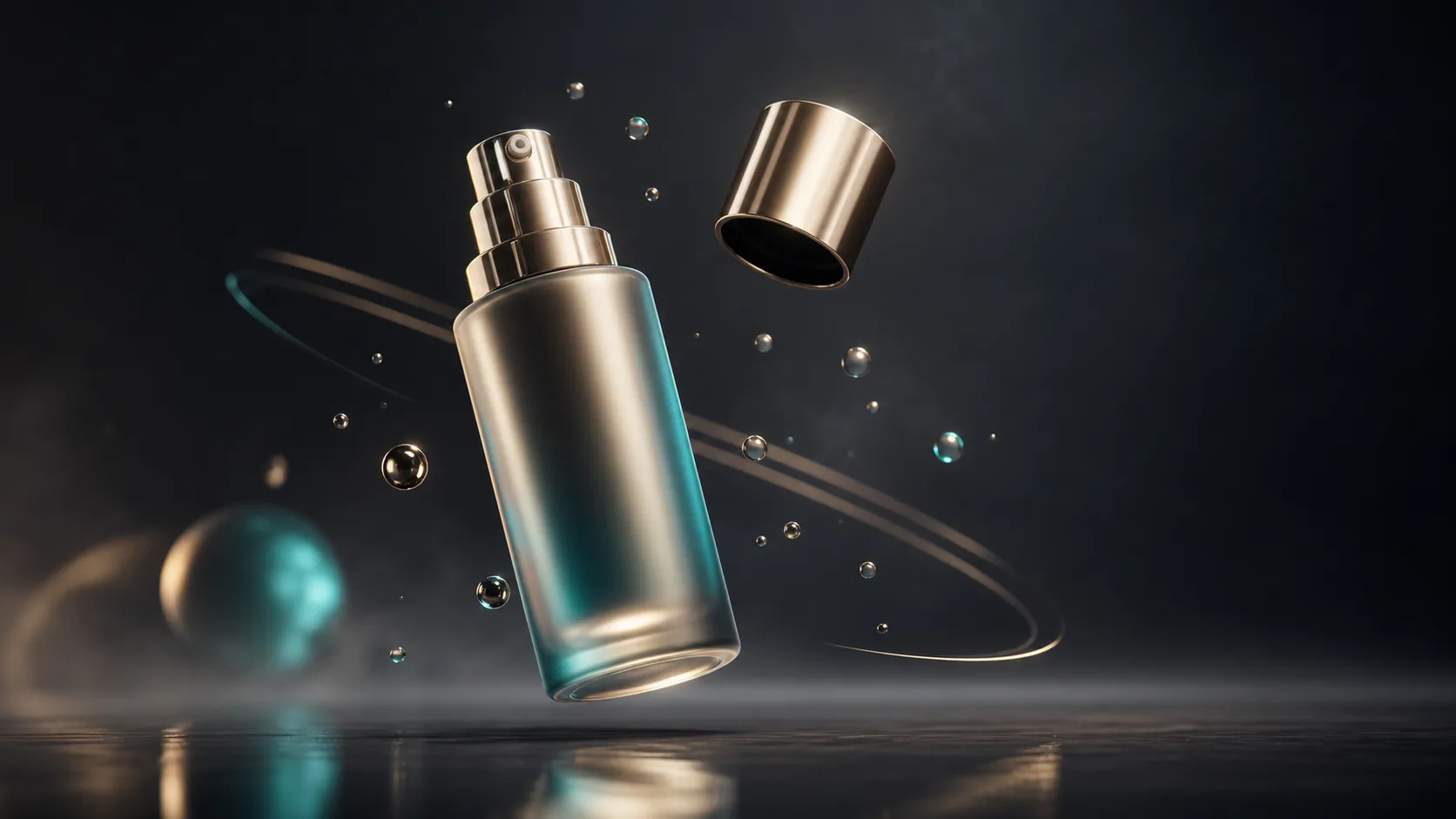
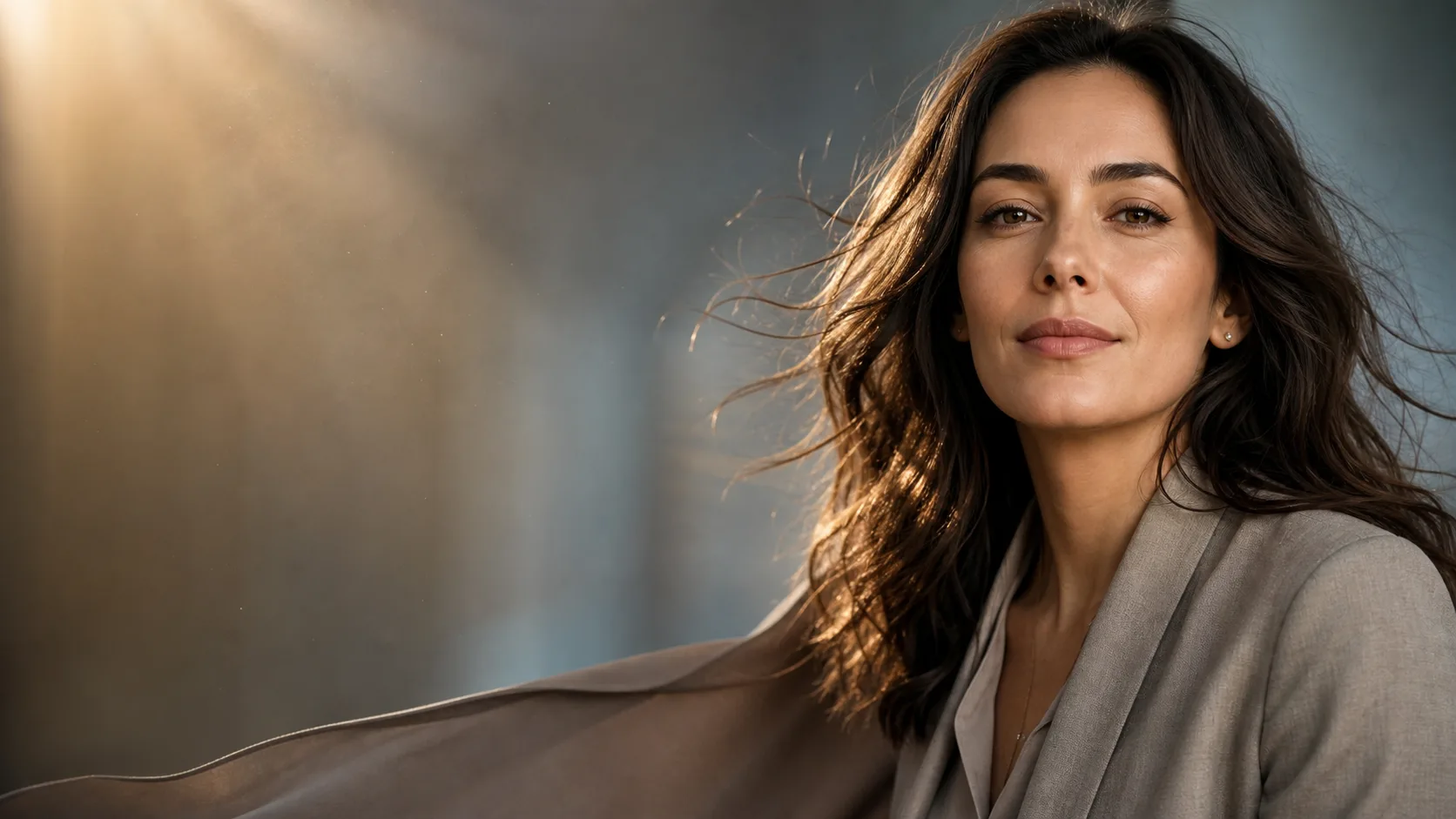
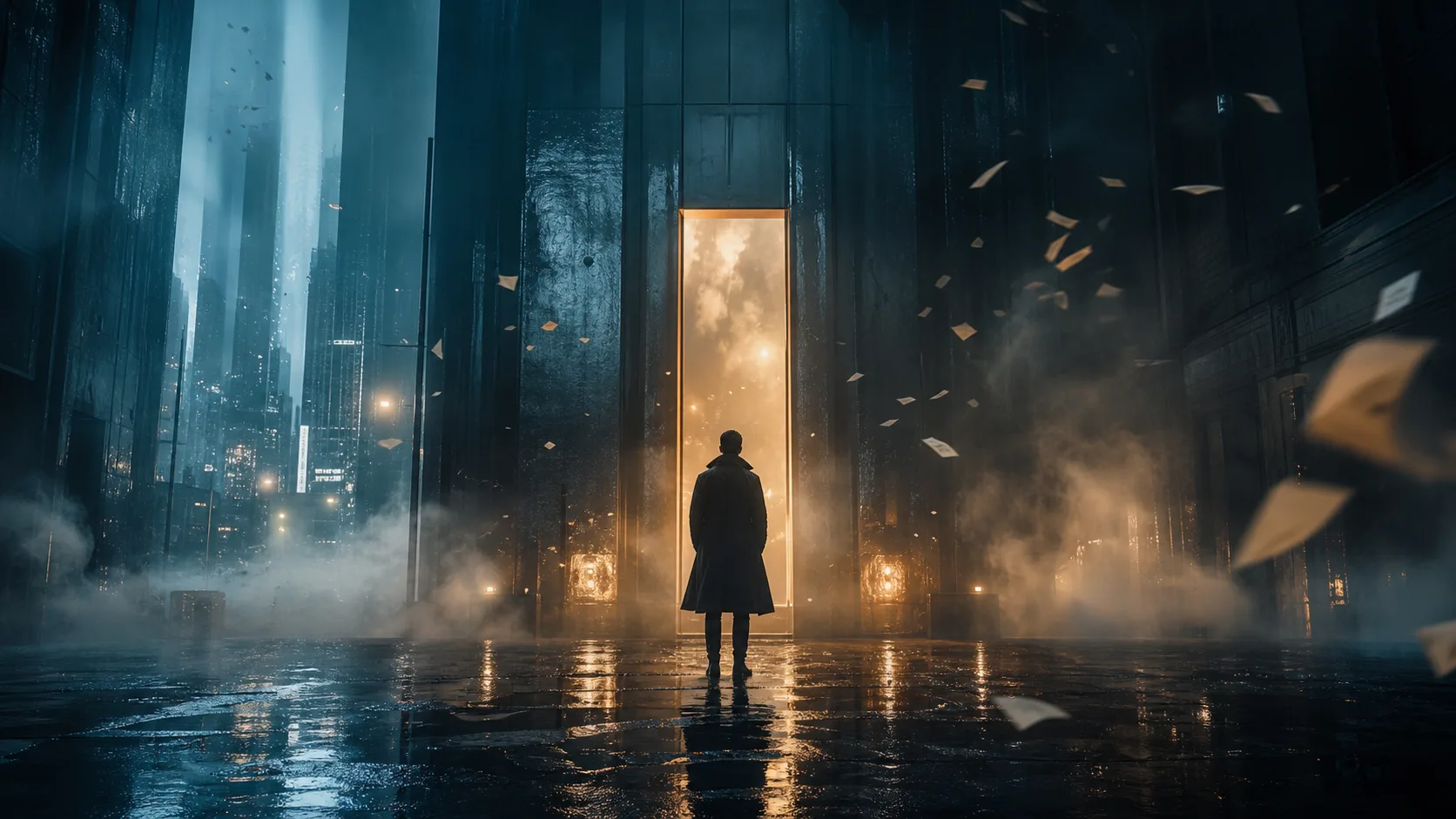

Utilisez une image de référence claire, séparez les contraintes visuelles de l’action et vérifiez que le résultat ne s’en éloigne pas.
Choisissez un personnage, un produit, un objet, une affiche ou une scène clairement visible. Le flux ClipCanva actuel accepte une seule image de référence par génération.
Indiquez si la référence doit guider le visage, la tenue, la forme du produit, les couleurs, la composition, l’éclairage ou le style visuel général.
Décrivez l’action, le mouvement de caméra, le décor, l’ambiance et le rythme. Restez bref et précis sur le mouvement afin qu’il ne concurrence pas les contraintes visuelles.
Contrôlez les visages, les vêtements, les détails du produit, les logos, le texte, les mains et les arrière-plans avant d’utiliser le clip. Simplifiez l’invite et relancez la génération si des détails importants changent.
Choisissez ce flux lorsqu’un personnage, un produit, une composition ou un style visuel doit influencer un nouveau plan généré.
Choisissez le mode image en vidéo lorsque l’image importée doit devenir la première image de la vidéo et que vous souhaitez surtout animer cette composition.
Utilisez l’image pour guider l’identité, l’apparence du produit, les couleurs, le cadrage, l’éclairage ou le style. Précisez la priorité dans l’invite.
Décrivez l’action du sujet, la direction de la caméra, le comportement de l’arrière-plan, l’atmosphère et le rythme séparément de la référence visuelle.
Une image de référence peut réduire les variations aléatoires, mais les visages, produits, logos, textes et petits détails générés peuvent encore changer et doivent être vérifiés.
Partez d’une référence, d’une première image fixe ou d’une scène écrite selon ce que vous devez contrôler.
Les images gratuites incluent un filigrane. Passez à une offre payante pour des sorties propres, une génération plus rapide et un usage commercial.
Pack de démarrage
Un pack de crédits unique pour essayer la génération d'images, de musique et de courtes vidéos.
Créateur
Forfait mensuel · 1 500 crédits renouvelés chaque mois
GPT Image 2 Unlimited
Saisissez le code FOUNDING6 dans Stripe Checkout : $19/mois pendant vos 6 premiers mois, puis $29/mois.
Pro
Forfait mensuel · 4 000 crédits renouvelés chaque mois
Atelier
Forfait mensuel · 12 000 crédits renouvelés chaque mois
Paiement sécurisé · Renouvellement automatique · Voir les conditions de remboursement
Équipe
Pour les agences, les équipes de production et les besoins de volume personnalisés.
Choisissez la bonne image d’entrée et fixez des attentes réalistes avant de lancer la génération.
Importez une image de référence, décrivez ce qui doit rester cohérent et dirigez l’action d’une nouvelle courte vidéo.