01
Sube una imagen de referencia
Elige un personaje, producto, objeto, póster o escena que se vea con claridad. El flujo actual de ClipCanva acepta una sola imagen de referencia por generación.
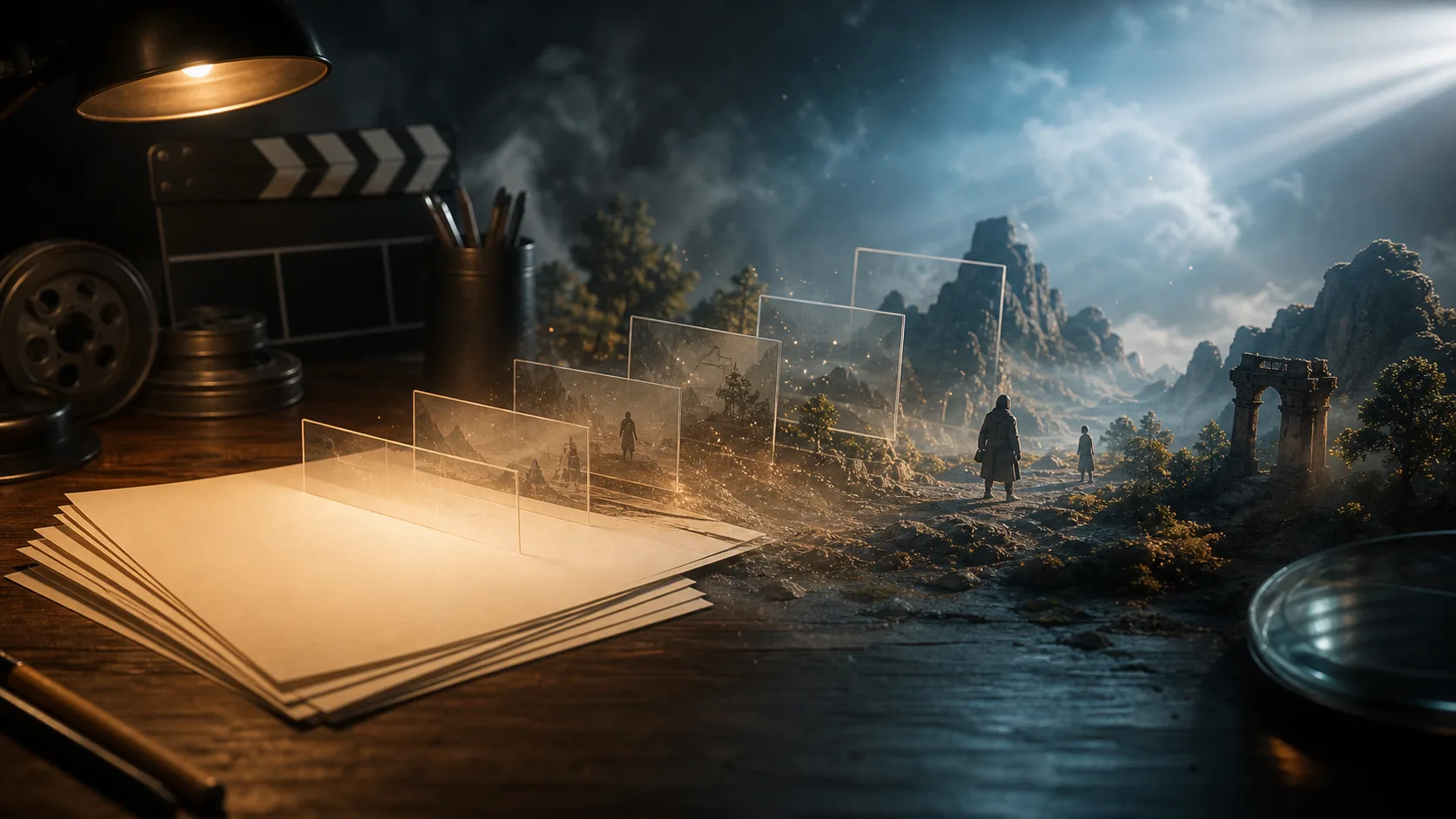
Guía un vídeo con IA mediante una imagen de referencia. Mantén un personaje, un producto, una composición o un estilo visual más próximos al original mientras diriges la acción, la cámara y el ritmo.
Asigna una función clara a la referencia y utiliza la instrucción para describir lo que debe ocurrir en la nueva toma.
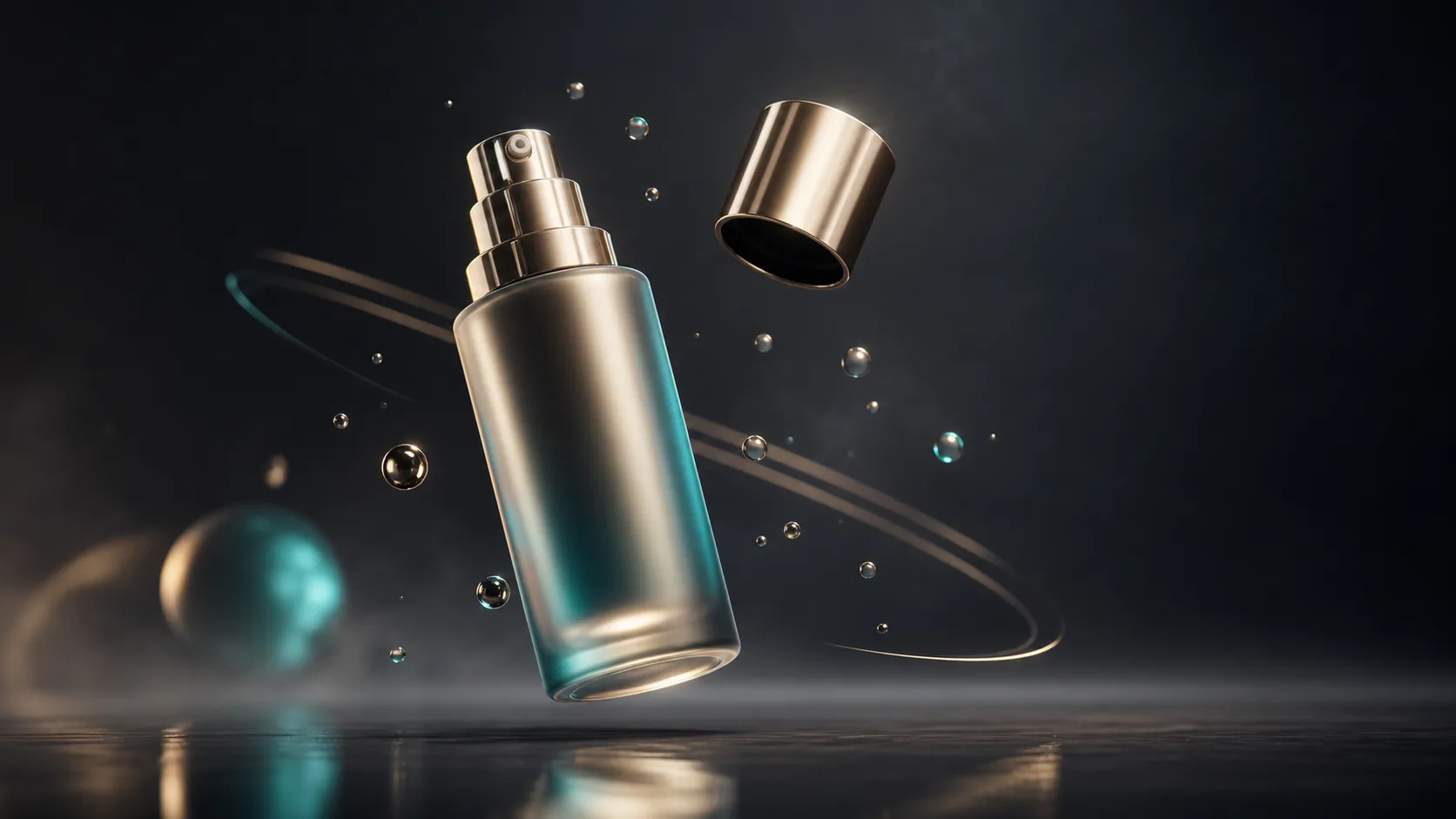
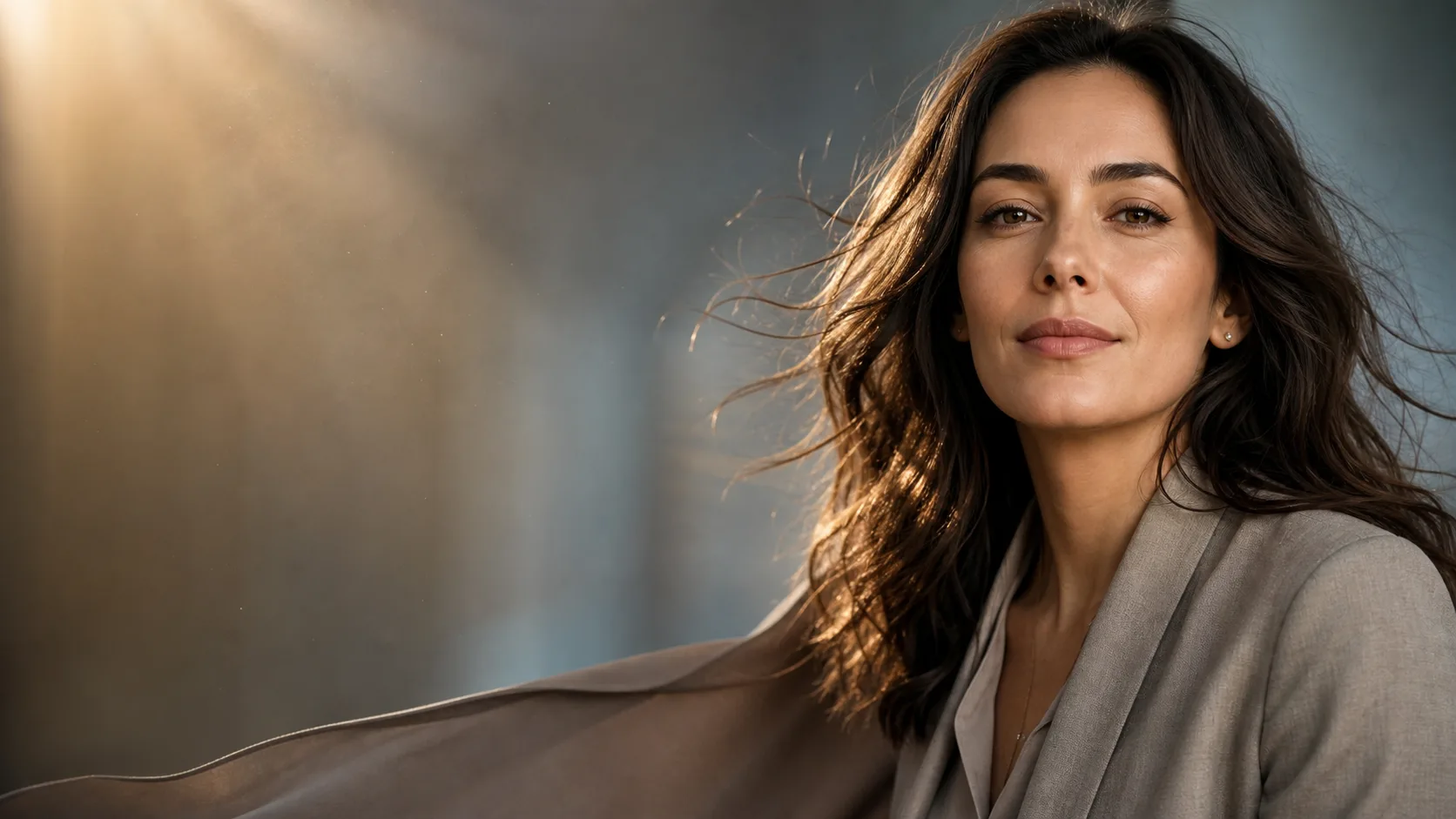
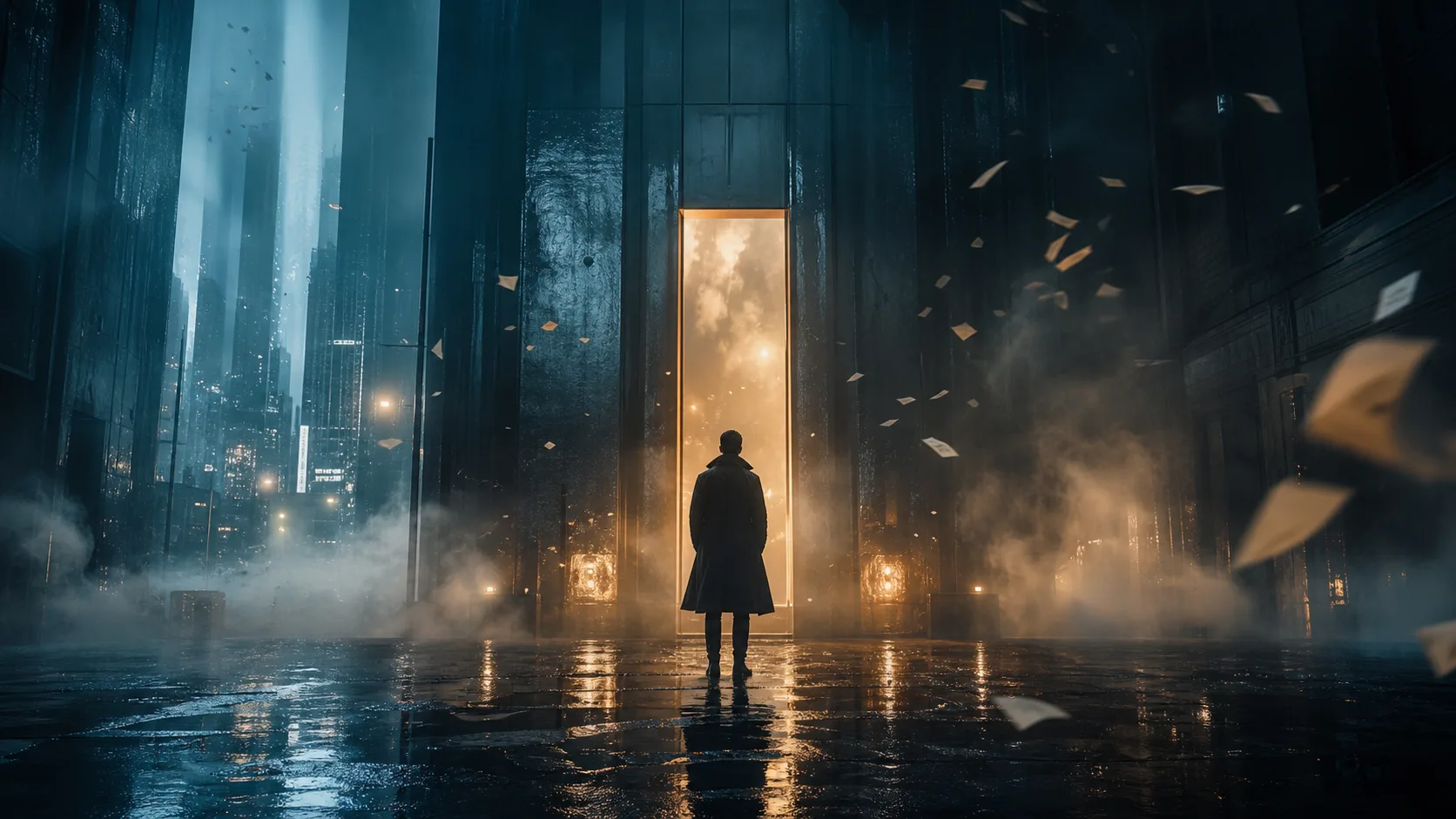
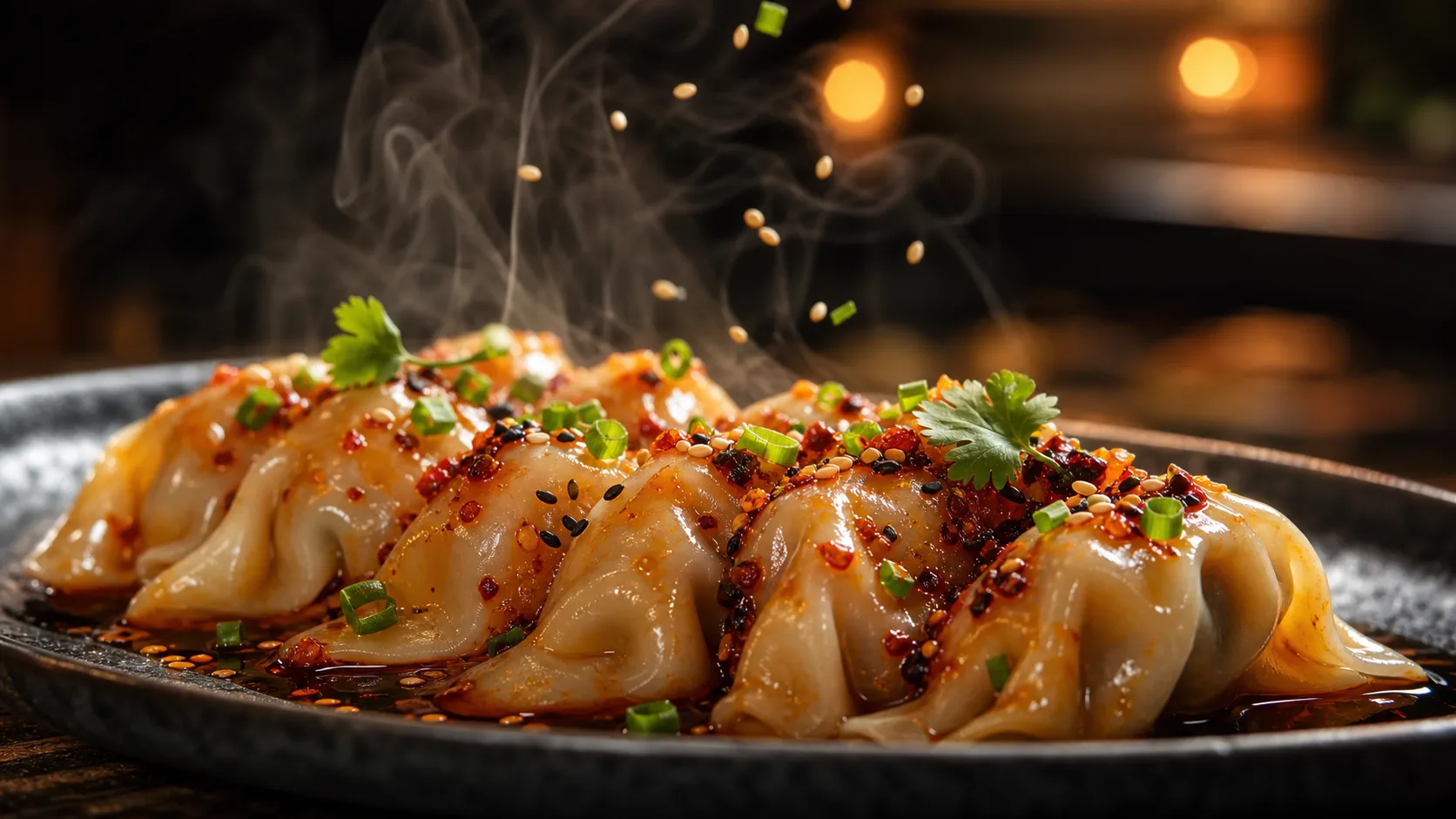
Utiliza una imagen de referencia clara, separa las restricciones visuales de la acción y revisa el resultado para detectar desviaciones.
Elige un personaje, producto, objeto, póster o escena que se vea con claridad. El flujo actual de ClipCanva acepta una sola imagen de referencia por generación.
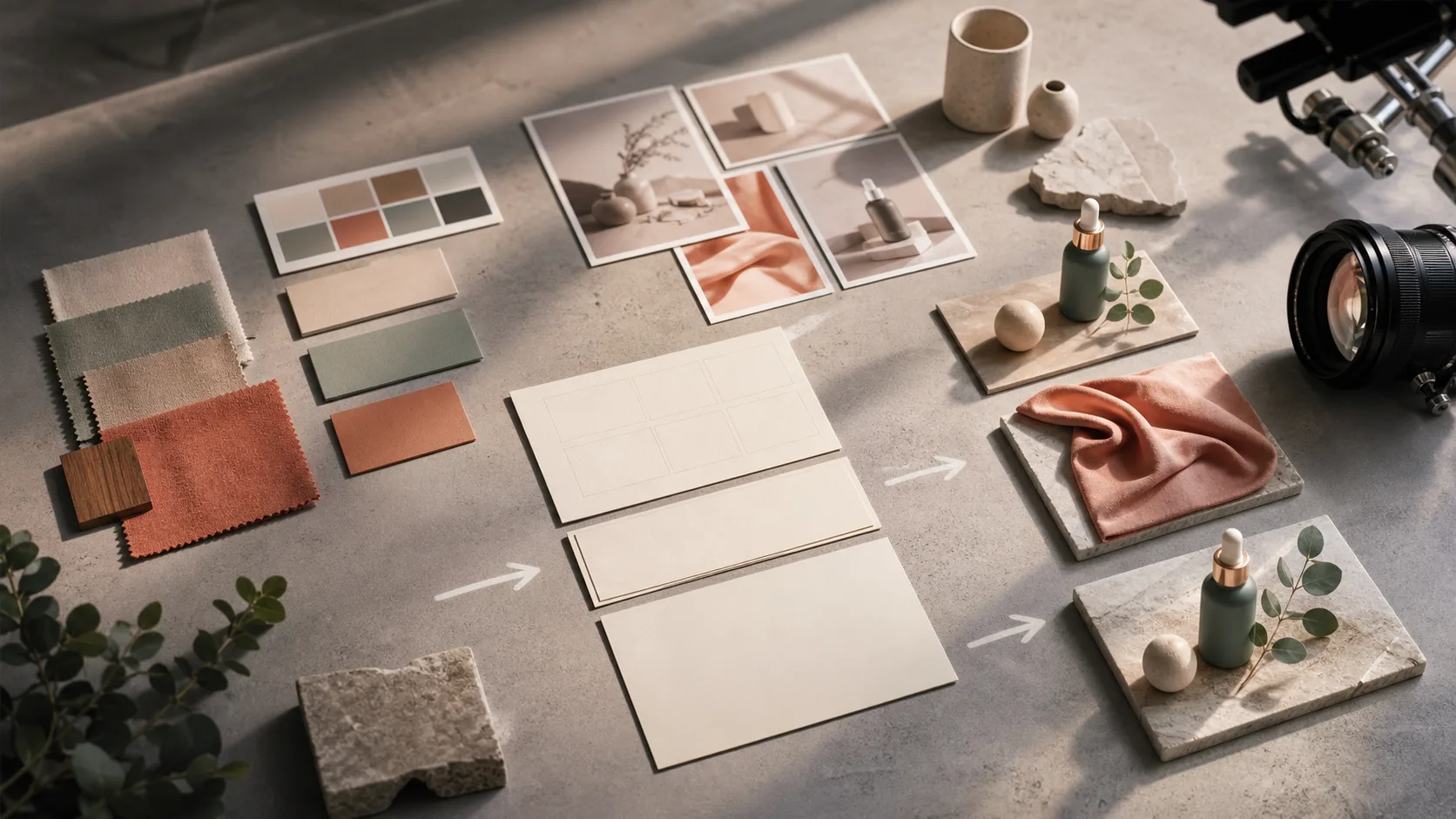
Explica si la referencia debe guiar el rostro, la ropa, la forma del producto, los colores, la composición, la iluminación o el estilo visual general.
Describe la acción, el movimiento de cámara, el entorno, el ambiente y el ritmo. Define el movimiento de forma breve y concreta para que no compita con las restricciones visuales.
Revisa rostros, ropa, detalles del producto, logotipos, texto, manos y fondos antes de utilizar el clip. Simplifica la instrucción y vuelve a generar si cambian detalles importantes.
Elige este flujo cuando quieras que un personaje, producto, composición o estilo visual influya en una toma nueva.
Elige el modo de imagen a vídeo cuando la imagen subida deba convertirse en el primer fotograma y quieras animar principalmente esa composición.
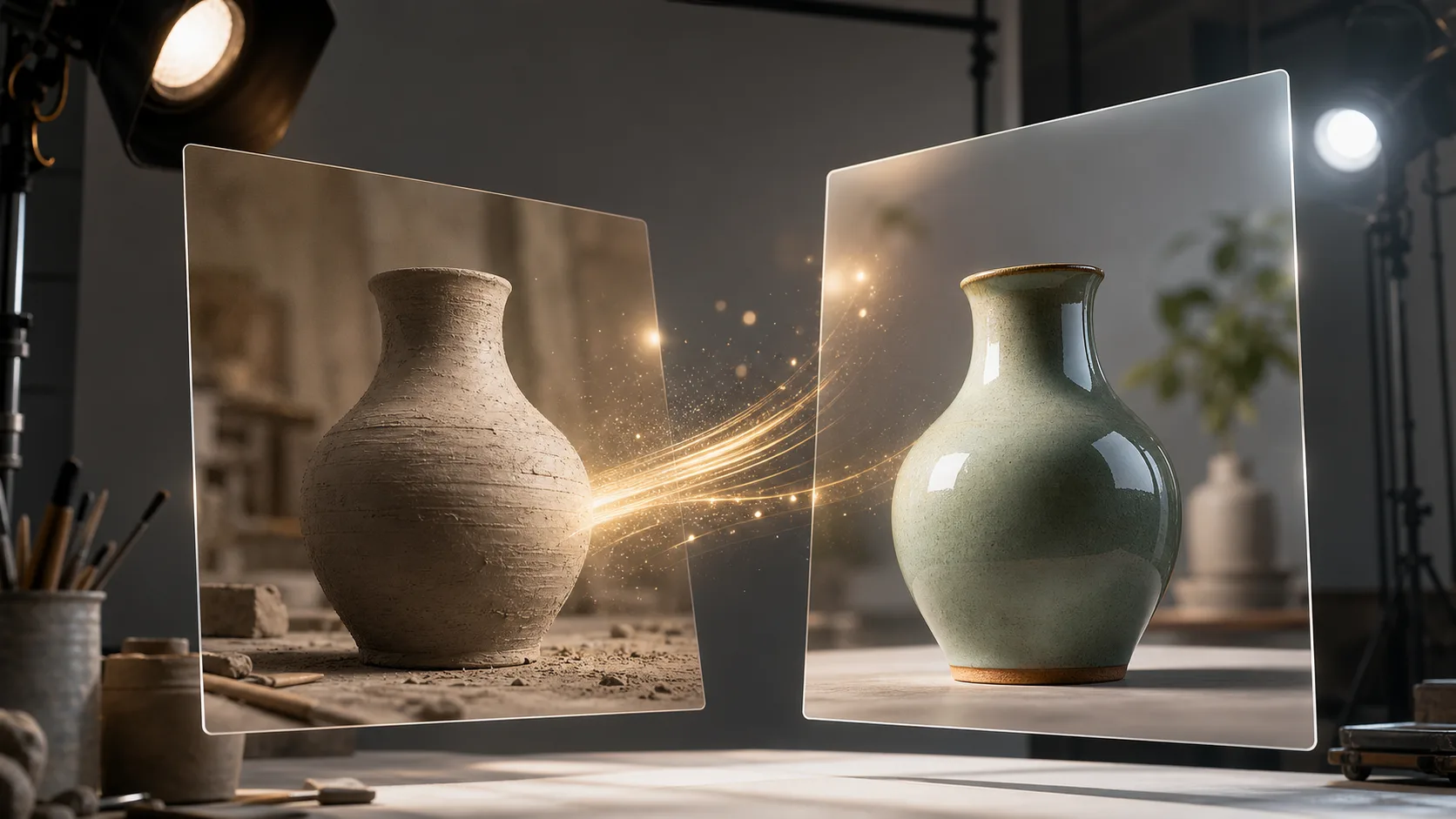
Utiliza la imagen para guiar la identidad, el aspecto del producto, los colores, el encuadre, la iluminación o el estilo. Indica la prioridad en la instrucción.
Describe la acción del sujeto, la dirección de cámara, el comportamiento del fondo, la atmósfera y el ritmo por separado de la referencia visual.
Una imagen de referencia puede reducir las variaciones aleatorias, pero los rostros, productos, logotipos, textos y pequeños detalles generados aún pueden cambiar y deben revisarse.
Parte de una referencia, un primer fotograma fijo o una escena escrita según lo que necesites controlar.
Las imágenes gratuitas incluyen marca de agua. Mejora tu plan para obtener salidas limpias, generación más rápida y uso comercial.
Paquete inicial
Un paquete único de créditos para probar generación de imágenes, música y videos cortos.
Creador
Para crear imágenes, música y videos cortos ligeros.
GPT Image 2 Unlimited
Introduce el código FOUNDING6 en Stripe Checkout: $19/mes durante los primeros 6 meses y después $29/mes.
profesional
Para resultados limpios y más rápidos
estudio
Para producción de video regular y trabajo creativo de alto volumen.
Pago seguro · Las suscripciones se renuevan automáticamente · Ver condiciones de reembolso
equipo
Para flujos de producción compartidos y equipos con mayor volumen.
Elige la entrada adecuada y establece expectativas realistas antes de generar.
Sube una imagen de referencia, describe qué debe mantenerse coherente y dirige la acción de un vídeo corto nuevo.