


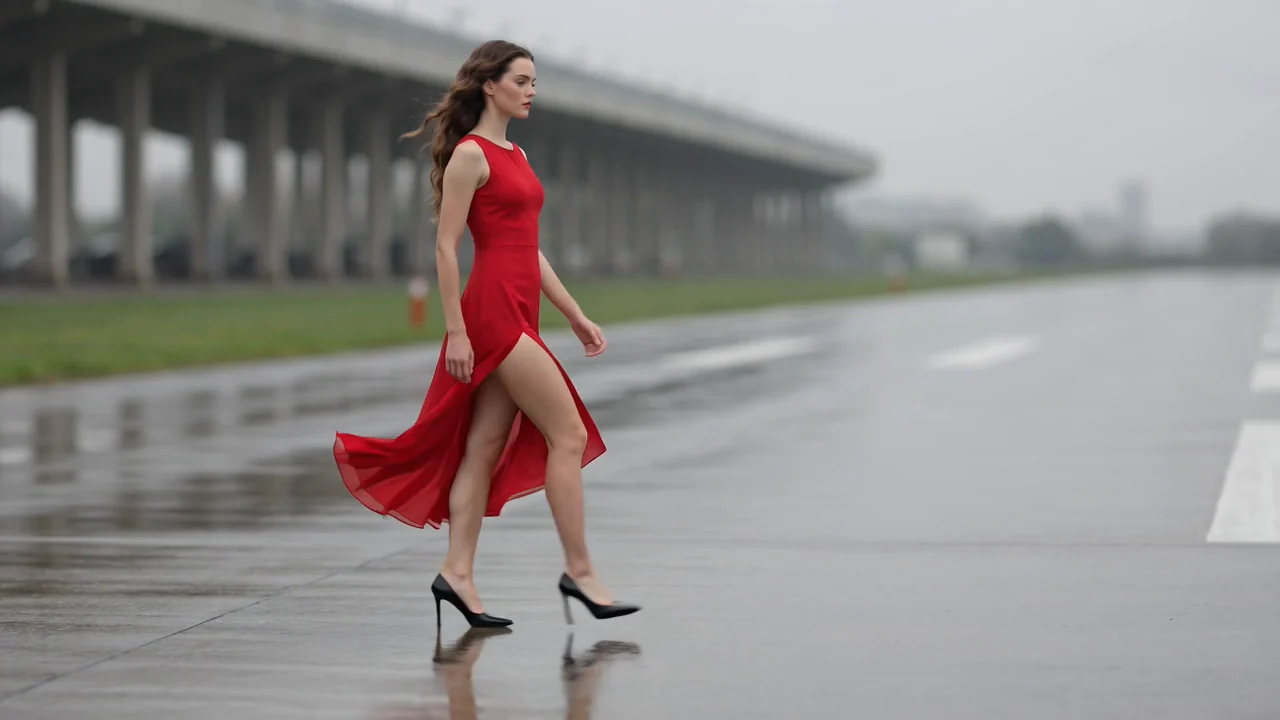
텍스트 기반 영상 생성
프롬프트가 주제, 동작, 배경, 타이밍, 원하는 분위기를 설명할 수 있는지 점검하여 텍스트 주도 영상 생성 능력을 평가하세요.
프로덕션 계획 전에 모션 컨트롤에 중점을 둔 Kling 2.6의 문서화된 입력 방식과 검증된 ClipCanva 가용성을 탐색하세요.
이 페이지는 모델 이름을 정확히 표시하며, 다른 모델로 같은 결과를 대신하지 않습니다. 아래에서 이미 연결된 관련 모델을 선택해 작업 흐름을 여세요.
Kling 2.6이 무엇인지 묻는 사용자를 위해 설명하자면, 이는 텍스트와 이미지를 입력으로 영상을 생성하는 쿠아이슈(Kuaishou) 동영상 모델 버전입니다.
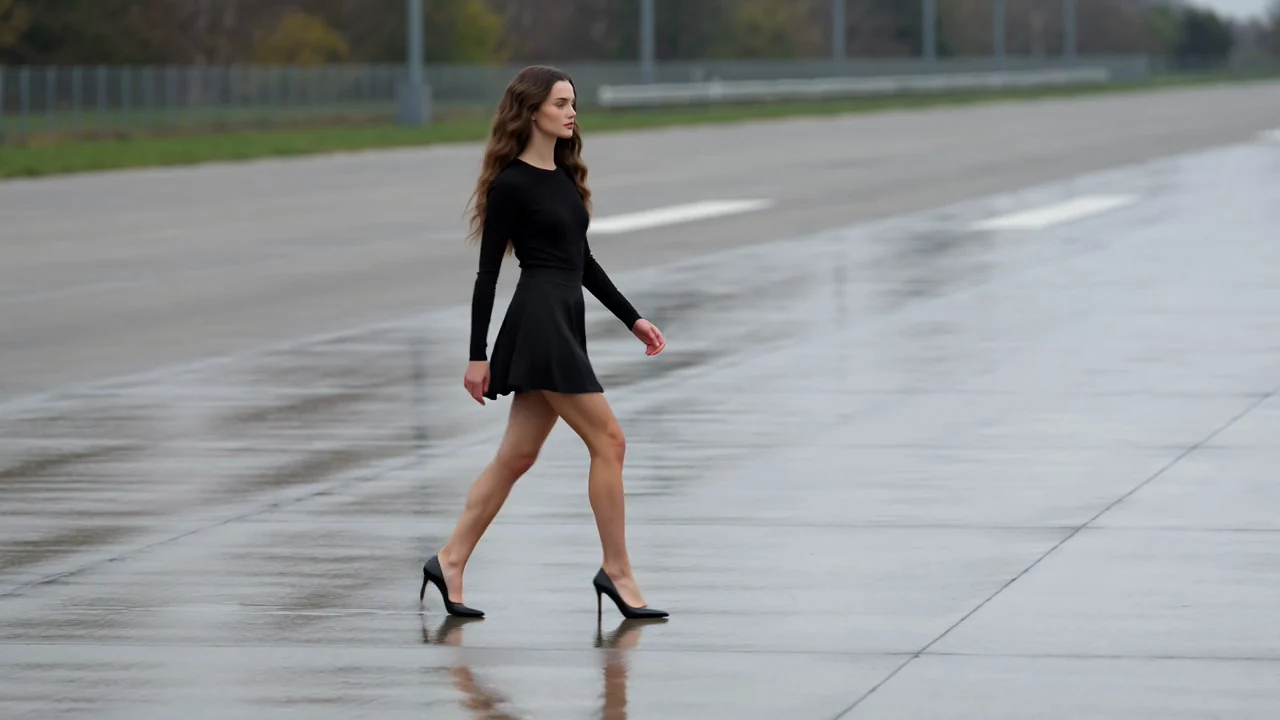
워크플로우를 선택하기 전에 Kling 2.6의 영상 생성 능력, 모션 컨트롤 계획, 연속성 점검에 대한 검토를 진행하세요.
프롬프트가 주제, 동작, 배경, 타이밍, 원하는 분위기를 설명할 수 있는지 점검하여 텍스트 주도 영상 생성 능력을 평가하세요.
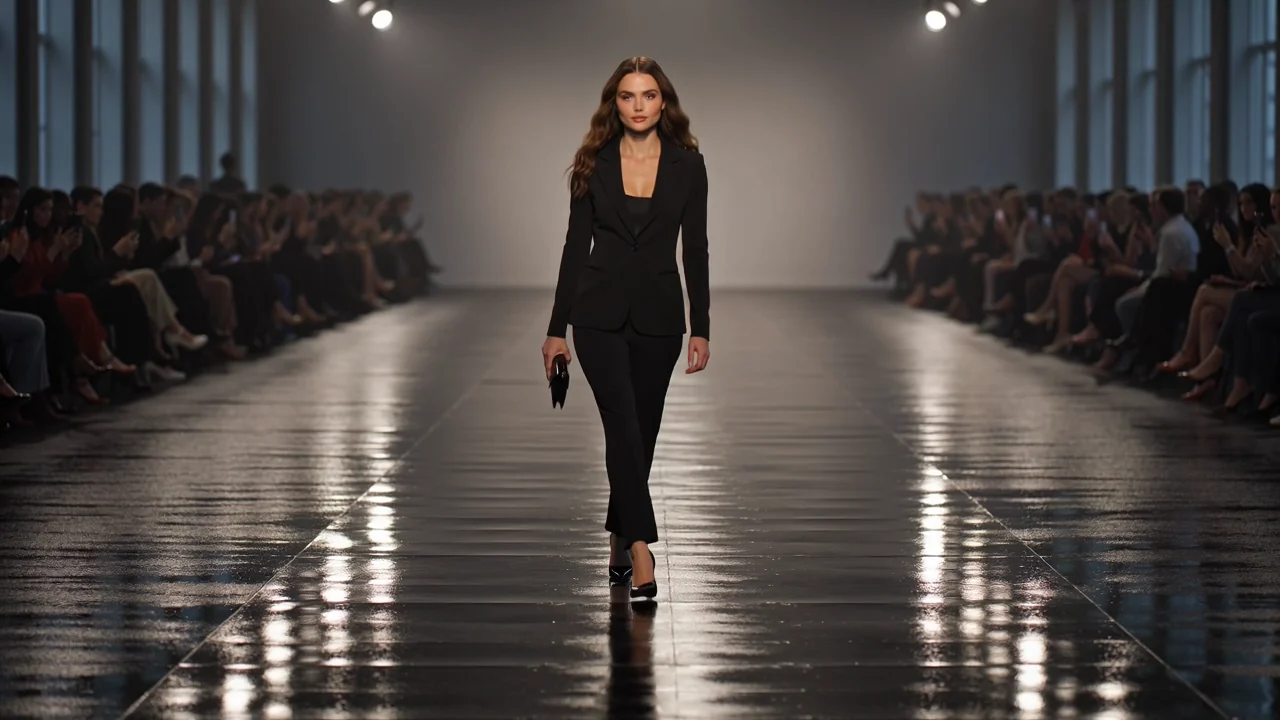
이미지 주도 클립을 계획할 때 레퍼런스 이미지를 사용한 후, 주체의 정체성, 스타일, 장면 맥락, 모션의 일관성이 유지되는지 검토하세요.
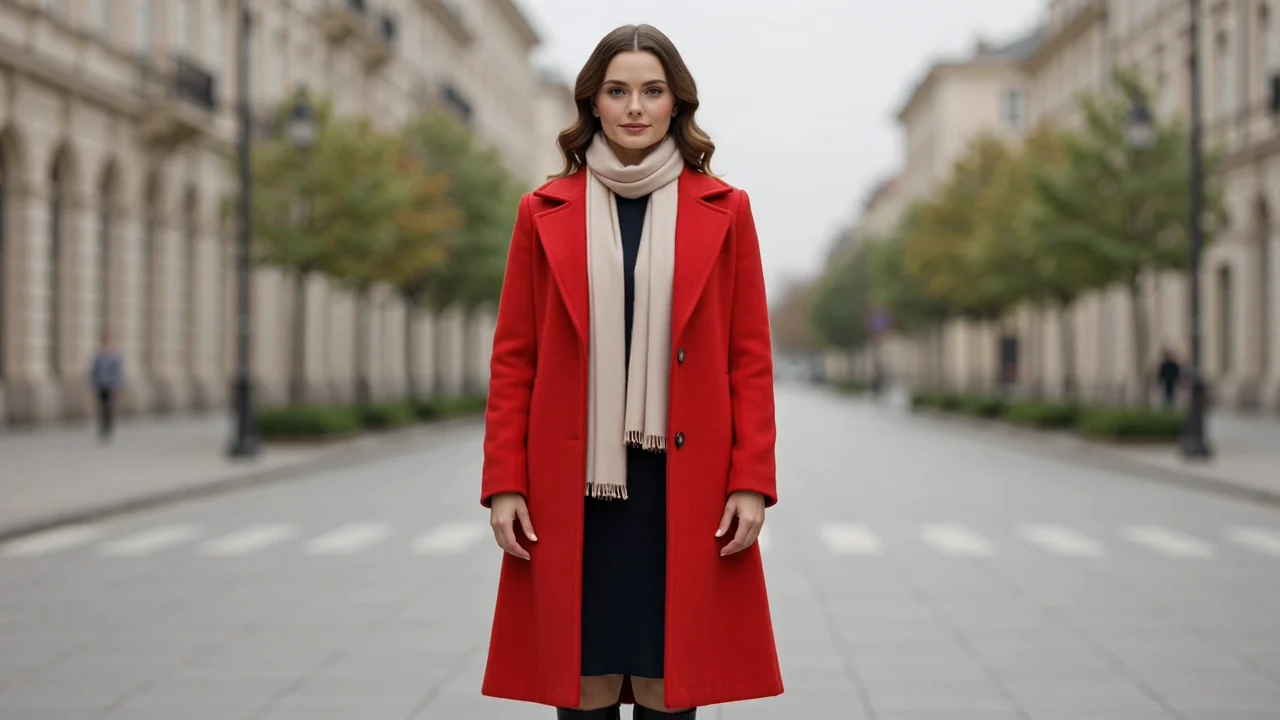
정확한 움직임 언어, 카메라 의도, 속도 관련 메모, 원치 않는 동작에 대한 명확한 제한을 통해 Kling 2.6 모션 컨트롤을 계획하세요.
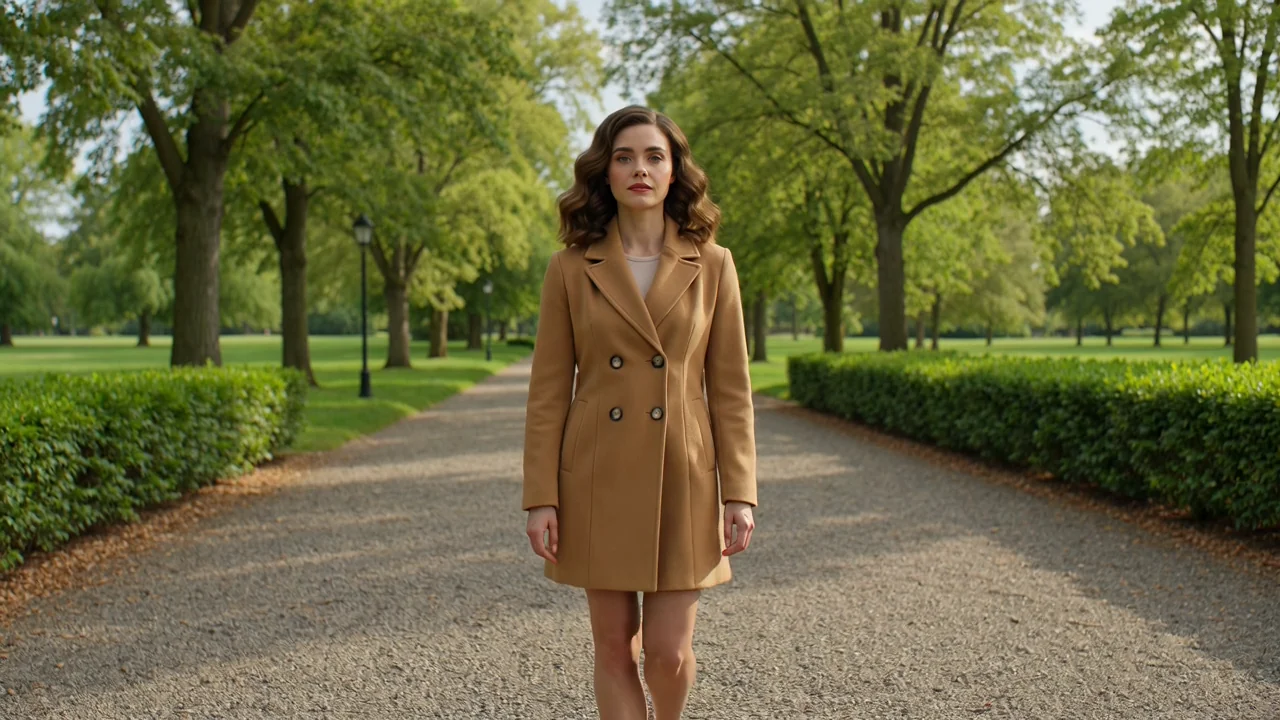
클립 전체에서 정체성, 소품, 배경, 조명, 모션 일관성을 비교하여 주체와 장면의 연속성을 점검하세요.
정확한 모델이 현재 ClipCanva에 연결되어 있지 않으므로, 문서화된 입력 모드와 표시되는 컨트롤을 별개의 사실로 사용하십시오.
Kling 2.6은 텍스트 프롬프트와 레퍼런스 이미지와 연관되어 있으며, 이는 주체, 배경, 동작, 스타일, 제약 조건을 정의해야 합니다.
ClipCanva에는 전용 Kling 2.6 컨트롤이 노출되어 있지 않으므로, 공급자 측 옵션이 이 페이지에서 사용 가능하다고 가정하지 마십시오.
생성된 동영상 클립과 레퍼런스 기반 영상을 포함한 출력물이 예상되며, 각각 적합성, 연속성, 형식에 대한 검토가 필요합니다.
프롬프트로 시작하고 가용성을 확인하며 게시 결정 전에 검토 단계를 유지하는 계획 워크플로우를 따르세요.
대상, 메시지, 주체, 배경, 모션 목표, 목적지 형식, 그리고 클립에 대한 검토 기준을 정의하세요.
집중된 프롬프트를 작성하고, 선택한 경로에서 해당 입력이 지원될 때만 레퍼런스 이미지를 준비하세요.
가용성을 먼저 확인한 후, 숨겨진 재생 시간, 해상도, 형식, 오디오 옵션이 있다고 가정하지 않고 표시되는 컨트롤만 사용하세요.
결과물을 기획 의도와 비교하고, 연속성과 사실적 세부사항을 검사한 후, 한 번에 하나의 약한 지시사항을 수정하세요.
이러한 사용 사례는 팀이 대상, 콘셉트, 입력 에셋, 필요한 검토 노력에 대해 모델 적합성을 비교하는 데 도움이 됩니다.
명확한 움직임 언어, 샷 순서, 속도 기대치, 빠른 장면 전환을 위한 연속성 점검을 통해 액션 시퀀스를 계획하세요.
원단의 움직임, 포즈 변화, 카메라 움직임, 스타일링, 브랜드 제약 조건을 설명하여 패션 모션 콘셉트를 탐구하세요.
레퍼런스 이미지, 제어된 모션 노트, 공개 타이밍, 엄격한 제품 세부사항 검토를 포함한 제품 공개 스토리보드를 초안 작성하세요.
분위기, 카메라 방향, 풍경 세부사항, 주체 움직임, 현실성 점검을 포함하여 자연 및 여행 장면을 개요 작성하세요.
생성된 동영상 클립은 시각적, 사실적, 모션 또는 형식 문제를 포함할 수 있으므로 모든 출력물을 초안으로 검토하십시오.
주체, 동작, 배경, 카메라 의도, 모션 강조, 최종 형식이 여전히 원본 기획 의도와 일치하는지 확인하세요.
정체성, 의상, 제품, 배경, 조명, 공간적 논리, 장면 전환에서 원치 않는 변화가 있는지 검사하세요.
로고, 제품 세부사항, 주장, 이름, 규제 정보를 승인된 브랜드 및 사실 출처와 대조하여 검증하세요.
전달된 클립이 의도된 재생 시간, 자르기, 화면비, 목적지 채널, 출력 형식 요구 사항에 맞는지 확인하세요.
이 정확한 모델을 대안과 비교할 때는 가용성, 출력 변동성, 검토 책임을 별도로 유지해야 합니다.
Kling 2.6은 ClipCanva에 연결되어 있지 않으므로, 가용성 상태는 정보 제공용이며 실행 가능한 정확한 모델 생성기를 제공하지 않습니다.
실행 간 결과가 달라질 수 있으며, 동일한 프롬프트라도 세부 사항, 구도, 모션 타이밍 또는 주체 일관성이 변경될 수 있습니다.
게시 전에는 특히 브랜드 세부 정보, 사실적 주장, 제품 외관, 장면 연속성에 대해 사람의 검토가 필요합니다.
정보 확인일
모델 정체성, 오디오, 입력 방식, 기능, 워크플로우, 검토 필요성, 그리고 ClipCanva에서의 검증된 가용성에 대한 답변입니다.
문서화된 입력 방식, 표시되는 컨트롤, 출력 동작, 검토 필요성, 검증된 가용성을 기준으로 관련 AI 동영상 모델을 비교하세요.
Kling 2.6을 사용 가능한 동영상 모델과 비교하고, 현재 가용성 상태를 확인하며, 프로덕션 자산을 계획하기 전에 검토 시간을 확보하세요.