
Điều thay đổi
- Kiến trúc kích thước thật trở thành cách thể hiện bằng mô hình vật lý hoặc diorama nhỏ gọn
- Vật liệu, ánh sáng, đế trưng bày, chi tiết cảnh tí hon và độ sâu trường ảnh macro tạo nên ảo giác thu nhỏ
Biến ảnh cửa hàng, địa danh, ngôi nhà, căn phòng hoặc cảnh phố thực thành cảnh tòa nhà thu nhỏ đáng sưu tầm với diện mạo trên đế trưng bày, vật liệu mô hình chân thực khi chạm, ánh sáng kiểu studio và độ sâu trường ảnh nông, đồng thời giữ mặt tiền gốc dễ nhận ra.
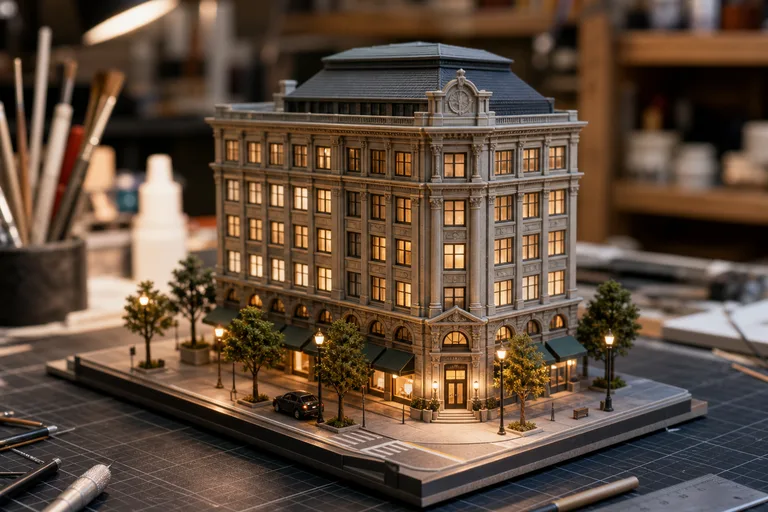
Apply the AI 3D Miniature Building effect to the uploaded architecture or scene photo. Preserve the building or room structure, facade, windows, roofline, signage placement, materials, layout, and surrounding scene cues. Rebuild it as a detailed 3D miniature architectural model on a clean display base, with tiny realistic model materials, soft studio lighting, shallow depth of field, and a polished diorama composition. Do not invent a different building.
Trình tạo Tòa nhà Mini 3D AI biến ảnh kiến trúc hoặc địa điểm thành hình ảnh có phong cách như diorama vật lý được chụp lại. Công cụ này được thiết kế cho hình ảnh tòa nhà thu nhỏ dễ nhận biết: tỷ lệ gọn, đế trưng bày sạch sẽ, bề mặt như mô hình, chi tiết cảnh vật tí hon và cảm giác nhiếp ảnh macro vẫn phản ánh cấu trúc nguồn.
Mẫu này tái diễn giải một địa điểm thực thành cảnh kiến trúc ở tỷ lệ đáng sưu tầm, đồng thời giữ bản sắc tòa nhà gắn với ảnh gốc.
Ảnh nguồn rõ ràng và việc xem lại nhanh bằng mắt giúp hình ảnh tòa nhà thu nhỏ cuối cùng vừa có cảm giác như mô hình vừa dễ nhận ra.
Tải lên ảnh sắc nét về ngoại thất, cửa hàng, căn phòng, tòa nhà hoặc cảnh phố với kiến trúc dễ nhận thấy và ít bị che khuất.
Tập trung ý tưởng vào diện mạo thu nhỏ vật lý: đế trưng bày, vật liệu mô hình, ánh sáng studio, độ sâu trường ảnh nông và các chi tiết cấu trúc được giữ lại.
Đối chiếu ảnh cuối với ảnh nguồn về độ chính xác của mặt tiền, hình dạng đường mái, cửa sổ, cửa ra vào, vị trí biển hiệu, phối cảnh và hiệu ứng mô hình tổng thể.
Khám phá các diện mạo tòa nhà thu nhỏ khác nhau, từ mô hình cửa hàng chỉn chu đến diorama du lịch và cảnh trình bày kiến trúc.
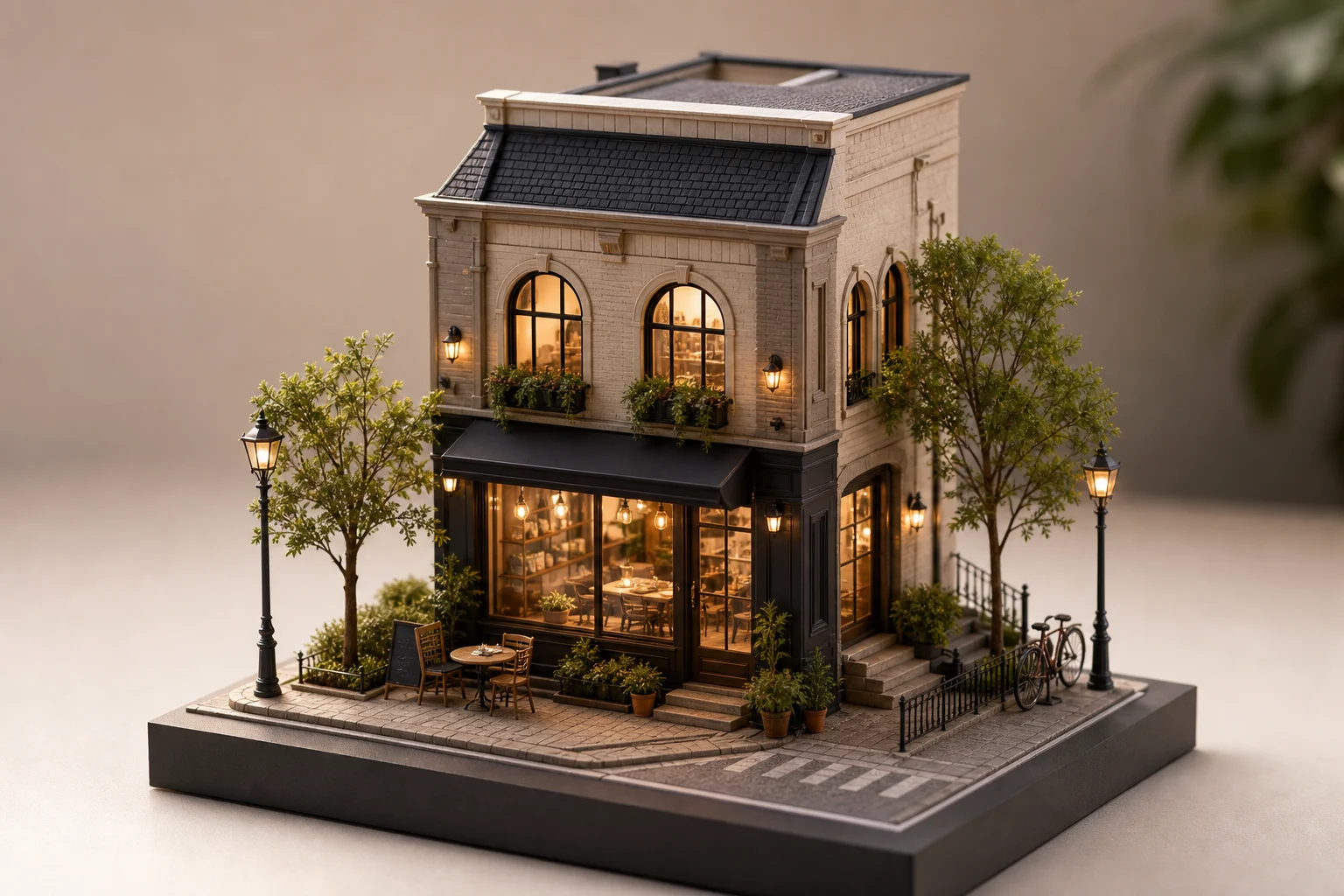
Diện mạo đế mô hình sạch sẽ làm nổi bật mặt tiền, vị trí biển hiệu, cửa sổ và đặc trưng ở tầng phố của một cửa hàng hoặc doanh nghiệp địa phương.
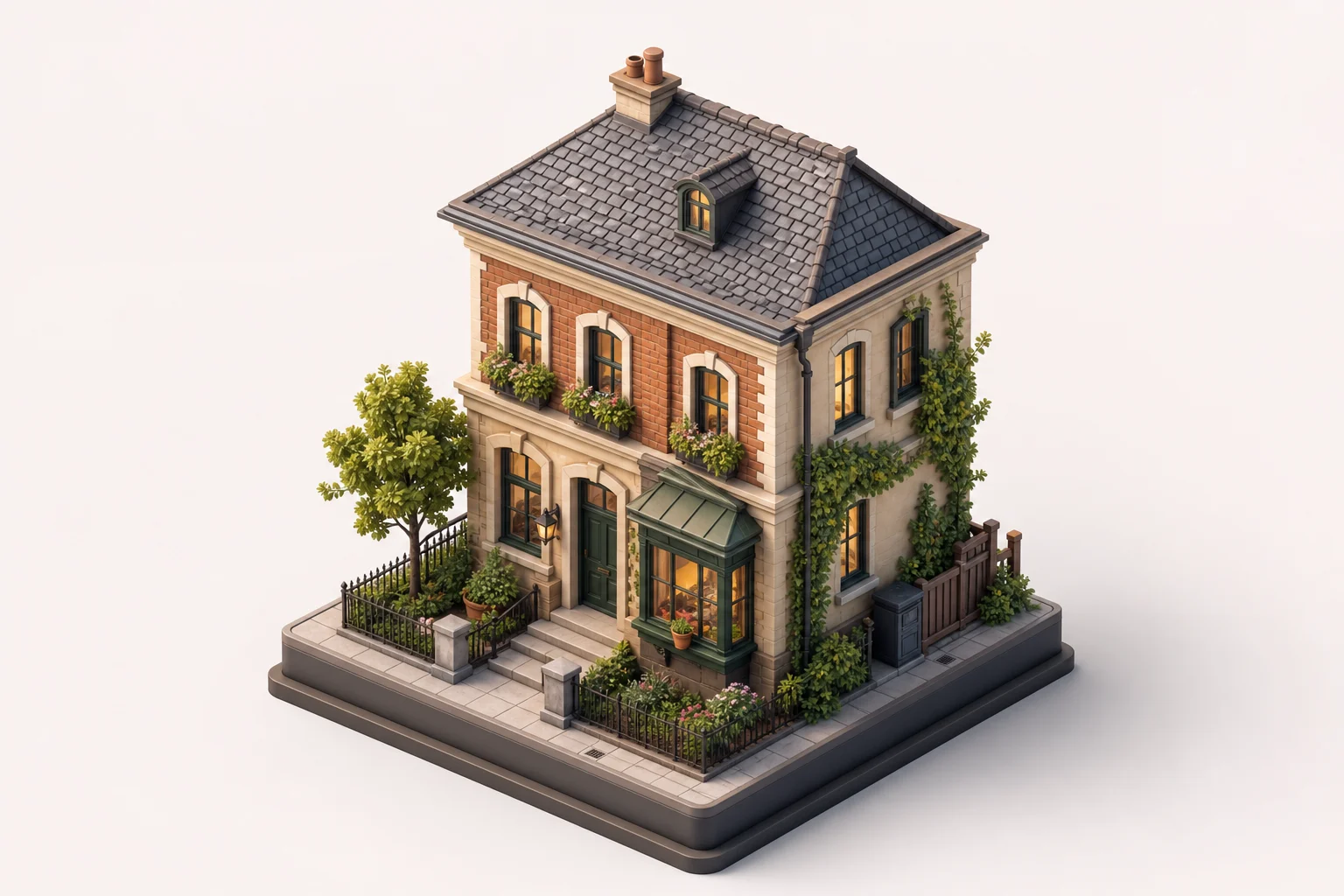
Diorama phong cách địa danh gọn gàng với tỷ lệ dễ nhận ra, chi tiết đường mái và dấu hiệu cảnh xung quanh cho hình ảnh lấy cảm hứng từ du lịch.
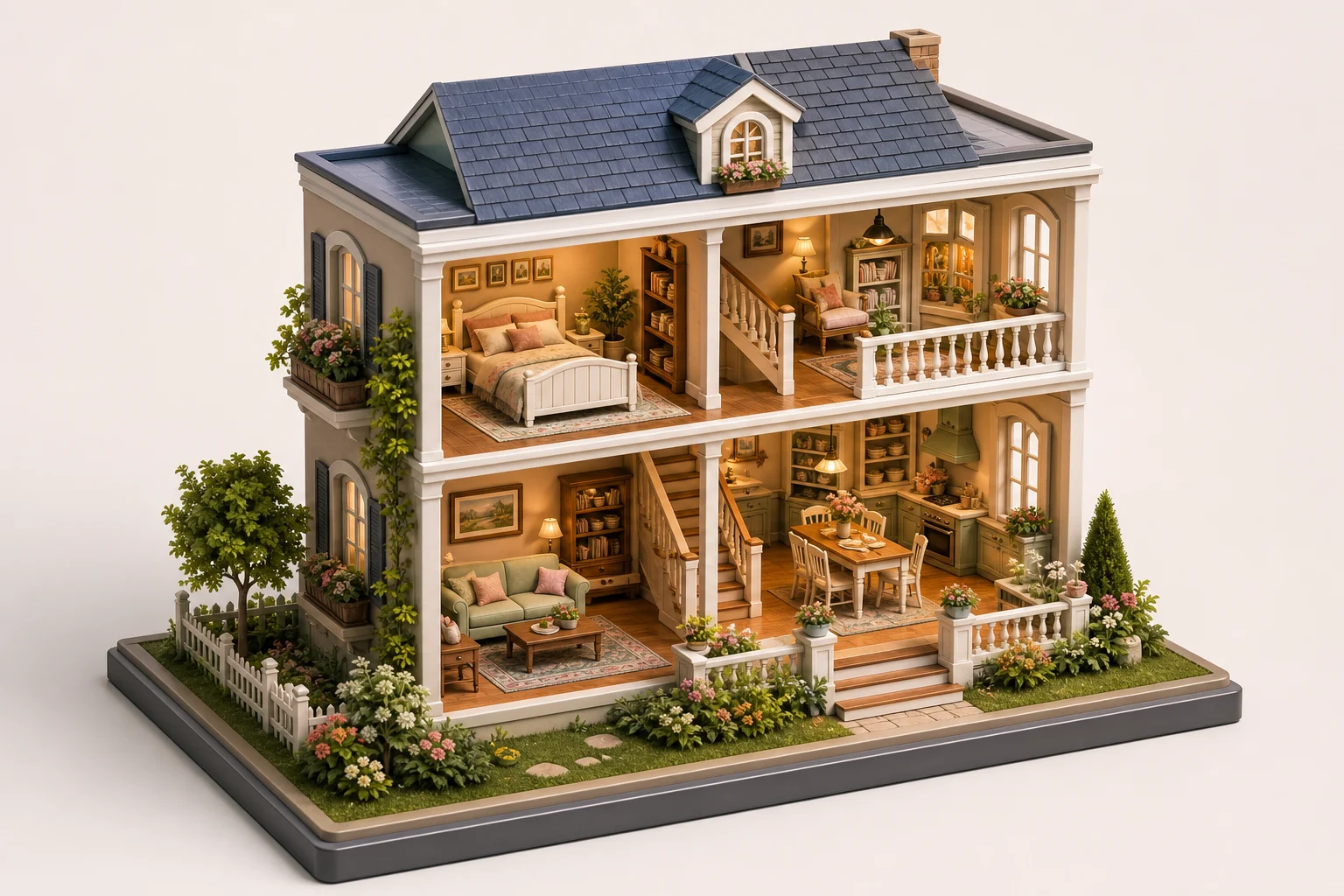
Cách thể hiện mô hình kiến trúc sẵn sàng thuyết trình với ánh sáng studio dịu, vật liệu chân thực khi chạm và bố cục đế trưng bày gọn gàng.
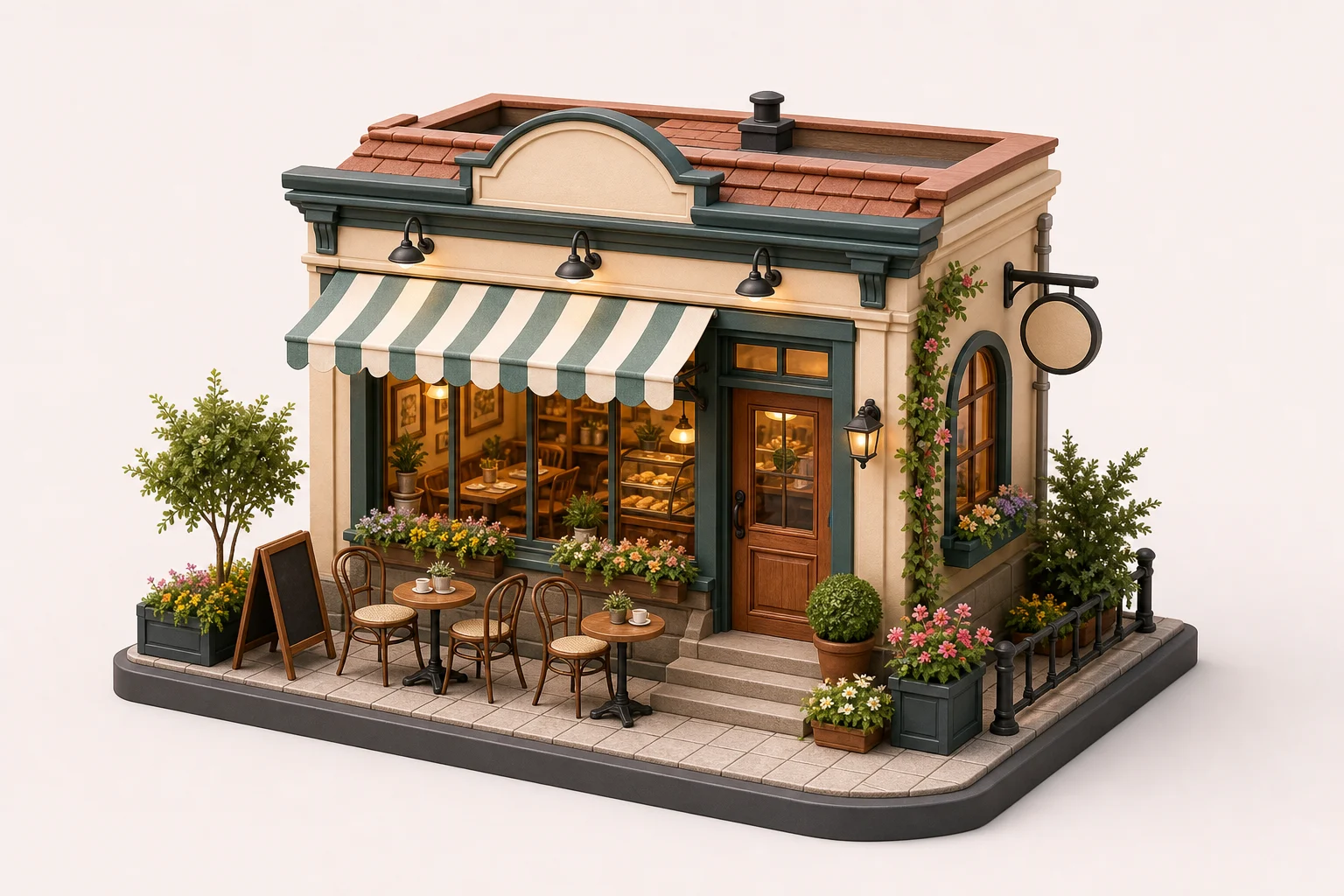
Ý tưởng khu phố hoặc cảnh phố tỷ lệ nhỏ giữ lại yếu tố đường phố, bố cục tòa nhà và góc nhìn trong một cảnh vui nhộn như mô hình.
Dùng hiệu ứng mô hình kiến trúc thu nhỏ khi bạn muốn một địa điểm thực mang cảm giác đáng sưu tầm, giàu câu chuyện và đáng nhớ về thị giác hơn.
Tái hiện ngôi nhà, ngoại thất bất động sản, cửa hàng, khách sạn, quán cà phê, bảo tàng hoặc địa danh địa phương thành ý tưởng tòa nhà thu nhỏ chỉn chu để kể chuyện bằng hình ảnh.
Tạo ấn phẩm bắt mắt cho bài thuyết trình kiến trúc, nội dung về khu phố, bài đăng thương hiệu địa phương, áp phích, tổng kết chuyến đi và nội dung mạng xã hội.
Để có kết quả chuyển ảnh thành tòa nhà thu nhỏ tốt nhất, hãy bắt đầu với ảnh nguồn truyền tải rõ kiến trúc và bối cảnh xung quanh mà bạn muốn giữ lại.
Mô tả cách thể hiện thu nhỏ mong muốn bằng ngôn ngữ trực quan: một mô hình kiến trúc chi tiết trên đế trưng bày sạch sẽ, vật liệu mô hình chân thực khi chạm, ánh sáng studio dịu, độ sâu trường ảnh nông và mặt tiền, đường mái, cửa sổ, cửa ra vào, vị trí biển hiệu, vật liệu, góc nhìn cùng dấu hiệu cảnh vật được giữ lại. Tránh yêu cầu một tòa nhà khác hoặc khung cảnh xung quanh không liên quan.
Sau khi tạo phiên bản thu nhỏ, hãy xem lại cả độ giống kiến trúc lẫn phần hoàn thiện kiểu mô hình trước khi dùng trong ý tưởng, bài thuyết trình hoặc bài đăng hình ảnh.
So sánh nhịp điệu mặt tiền, đường mái, cửa sổ, cửa ra vào, biển hiệu và mặt bằng với ảnh gốc để bảo đảm bản sắc tòa nhà vẫn rõ ràng.
Quan sát lan can, cầu thang, vật thể trên phố, mép đế trưng bày, kết cấu vật liệu và các chi tiết mô hình nhỏ để xem tỷ lệ có nhất quán không.
Kiểm tra phối cảnh, độ sâu trường ảnh nông, hướng ánh sáng và nền có kết hợp như một mô hình để bàn được chụp ảnh hay không.
Các thông tin chính về việc biến ảnh kiến trúc thực thành hình ảnh tòa nhà phong cách thu nhỏ.
Dùng ảnh rõ nét về ngoại thất, cửa hàng, địa danh, căn phòng hoặc cảnh phố rồi biến ảnh thành hình ảnh phong cách mô hình kiến trúc thu nhỏ cho bài thuyết trình, câu chuyện địa phương, áp phích hoặc ấn phẩm mạng xã hội.