
के बदलिन्छ
- मूल पहिरन मिल्दो हानबोक पोसाकमा बदलिन्छ।
- कपडाको आयतन, गाँठो, किनारी र वैकल्पिक परम्परागत सहायक पुनर्निर्माण गरिन्छ।
स्पष्ट पोर्ट्रेट अपलोड गरी उही व्यक्तिमा संरचित जेओगोरी, चिमा वा बाजी, सन्तुलित कपडाको आयतन, सफा गाँठो र संयमित परम्परागत सहायकसहितको सम्मानजनक हानबोक रूपको पूर्वावलोकन गर्नुहोस्; मूल पोज, प्रकाश र पृष्ठभूमि चिन्न सकिने गरी राख्नुहोस्।
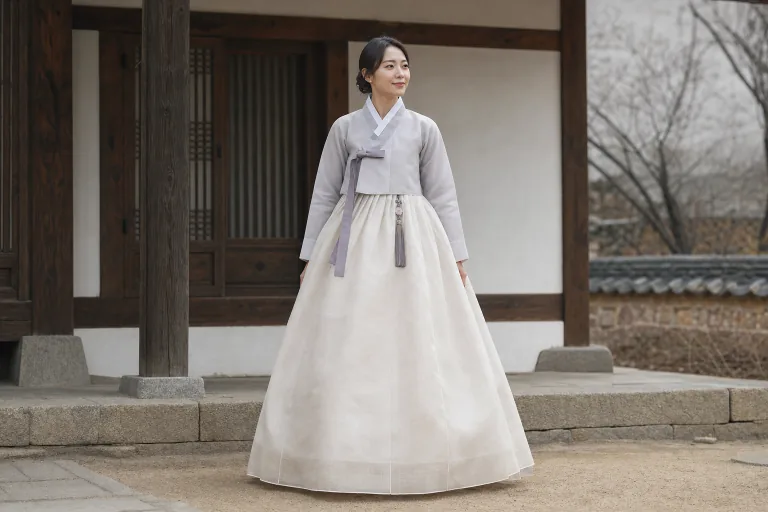
Preview hanbok on your photo with a structured jeogori, chima or baji, balanced volume, clean ties, and optional restrained details such as a norigae. Preserve the same person, face, body proportions, pose, lighting, camera angle, and background. Change only the clothing and coordinated accessories.
हानबोक ट्राइ-अन व्यक्तिगत तस्बिरमा परम्परागत कोरियाली पहिरनको पूर्वावलोकन गर्ने पोर्ट्रेट रूपान्तरण टेम्प्लेट हो। यसले व्यक्तिको अनुहार, शारीरिक अनुपात, केशविन्यास, पोज, क्यामेरा कोण, प्रकाशको दिशा, पृष्ठभूमि र समग्र संरचना जोगाउँदै देखिने पहिरनलाई मिल्दो हानबोकमा बदल्छ।
यो टेम्प्लेट पोर्ट्रेटलाई स्थिर र चिन्न सकिने राख्दै देखिने पहिरनलाई सम्मानजनक हानबोक अवधारणामा बदल्न केन्द्रित छ।
सरल पोर्ट्रेटदेखि पूर्वावलोकन प्रक्रियामा उपयुक्त स्रोत तस्बिर छान्नुहोस्, हानबोकको दिशा परिभाषित गर्नुहोस्, अनि पहिरन र पोर्ट्रेटको सुसंगति समीक्षा गर्नुहोस्।
अनुहार, काँध, हात र पहिरनका किनारा देखिने स्पष्ट कम्मरसम्मको वा पूर्ण शरीरको पोर्ट्रेट छान्नुहोस्। धड वा हात ढाक्ने अगाडिका धेरै वस्तुहरूबाट जोगिनुहोस्।
जेओगोरी संरचना, चिमा वा बाजी, रङ संयोजन, किनारी, गाँठो, बाहुलाको आयतन र वैकल्पिक संयमित सहायक विवरणजस्ता चाहिएको हानबोक रूप निर्दिष्ट गर्नुहोस्।
पहिरन हानबोकजस्तो देखिन्छ, हात र गाँठो सुसंगत छन्, अनि व्यक्तिको पहिचान, पोज, प्रकाश र पृष्ठभूमि जोगिएका छन् भन्ने जाँच्नुहोस्।
स्रोत पोर्ट्रेटको उही पहिचान, पोज, प्रकाश र पृष्ठभूमि राख्दै फरक हानबोक पूर्वावलोकन दिशाहरू अन्वेषण गर्नुहोस्।
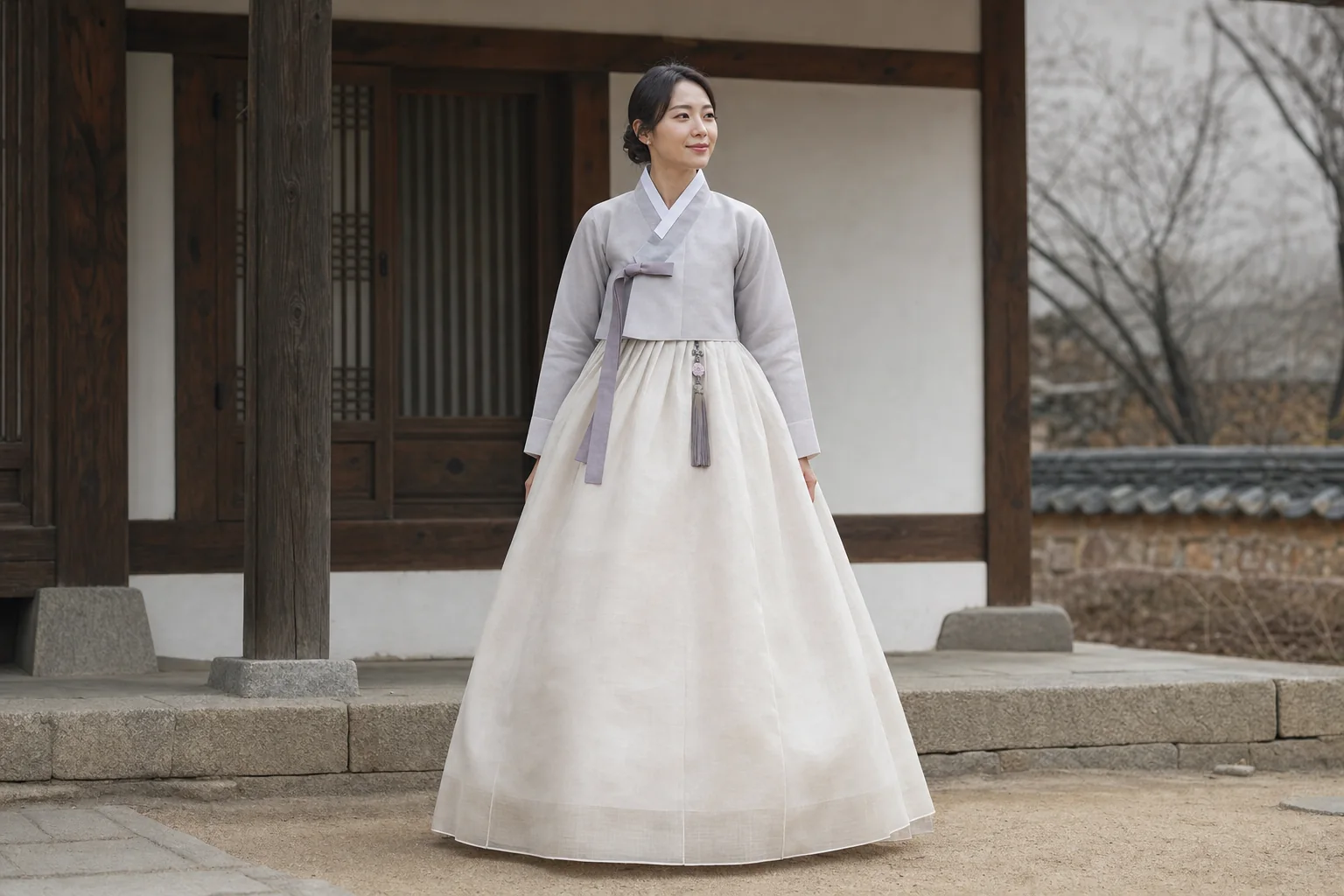
सन्तुलित पोर्ट्रेट रूपका लागि संरचित जेओगोरी, मिल्दो स्कर्ट आकार, सफा गाँठो र कोमल परम्परागत विवरणसहितको परिष्कृत हानबोक पहिरन पूर्वावलोकन।
चिन्न सकिने पहिरन संरचना, संयमित सहायक र मूल पोर्ट्रेटको प्रकाशसँग प्राकृतिक मिलानमा केन्द्रित सफा भर्चुअल हानबोक ट्राइ-अन दिशा।
विषयगत पोर्ट्रेट, सांस्कृतिक यात्रा तस्बिर, उत्सव अवधारणा वा रूप रोज्नुअघि पहिरनको दिशाका लागि छिटो दृश्यात्मक सन्दर्भ चाहिँदा हानबोक ट्राइ-अन प्रयोग गर्नुहोस्।
दृश्यात्मक दिशा रोज्नुअघि आफ्नै पोर्ट्रेटमा रङ संयोजन, जेओगोरी आकार, चिमा वा बाजी शैली, बाहुलाको आयतन र सहायकको पूर्वावलोकन गर्नुहोस्।
यात्राका सम्झना, सांस्कृतिक उत्सव कलाकृति, प्रोफाइल तस्बिर वा व्यक्तिगत सिर्जनात्मक परियोजनाका लागि मूल व्यक्ति चिन्न सकिने गरी विषयगत पोर्ट्रेट बनाउनुहोस्।
राम्रो स्रोत पोर्ट्रेटले कपडाका किनारा, बाहुला, हात र धडलाई सफा हानबोक पहिरन पूर्वावलोकनका लागि पर्याप्त संरचना दिन्छ।
तपाईंलाई चाहिएको हानबोक शैली वर्णन गर्नुहोस्, जसमा जेओगोरीको आकार, चिमा वा बाजीको छनोट, रङ, बाहुलाको आयतन, किनारी, गाँठो र संयमित सहायक समावेश होस्। अनुरोधलाई पहिरन र मिलाइएका विवरणमै केन्द्रित राख्नुहोस्, ताकि व्यक्ति, पोज, प्रकाश र पृष्ठभूमि सुसंगत रहून्।
हानबोक पहिरन पूर्वावलोकन बनाएपछि तस्बिर बचत वा साझा गर्नुअघि पहिरनको संरचना र जोगाइएका पोर्ट्रेट विवरण दुवै समीक्षा गर्नुहोस्।
जेओगोरी र चिमा वा बाजीका आकार स्पष्ट रूपमा हानबोकजस्ता देखिन्छन् र सामान्य फ्रक वा ज्याकेटमा बिलाउँदैनन् भन्ने जाँच्नुहोस्।
हात, गाँठो, कलर, बाहुला, किनारी र सहायकमा मिसिएका, बाङ्गिएका वा अस्पष्ट विवरण छन् कि छैनन् निरीक्षण गर्नुहोस्।
अनुहार, शारीरिक अनुपात, पोज, केशविन्यास, प्रकाशको दिशा, क्यामेरा कोण र पृष्ठभूमिलाई स्रोत तस्बिरसँग तुलना गर्नुहोस्।
नतिजालाई दृश्यात्मक पहिरन अवधारणाका रूपमा लिनुहोस्। औपचारिक, शैक्षिक वा संवेदनशील सन्दर्भमा प्रयोग गर्नुअघि पहिरनको संरचना र सांस्कृतिक विवरण ध्यानपूर्वक समीक्षा गर्नुहोस्।
पोर्ट्रेट तयार गर्ने, हानबोक शैली निर्देशित गर्ने र अन्तिम पहिरन पूर्वावलोकन जाँच्नेबारेका सामान्य प्रश्नहरू।
स्पष्ट पोर्ट्रेटबाट सुरु गरी व्यक्ति, पोज, प्रकाश र पृष्ठभूमि यथावत् राख्दै पहिरनलाई मिल्दो परम्परागत कोरियाली रूपमै बदल्ने हानबोक पहिरन पूर्वावलोकन बनाउनुहोस्।