Kimono Try-On for a Season-Aware Outfit Preview

Kimono Try-On for a Season-Aware Outfit Preview

Preview a kimono look while keeping the same person, pose, lighting, camera angle, and background. Shape the visual direction with collar overlap, sleeve proportion, obi placement, layered dressing, textile motifs, and season-aware color choices.

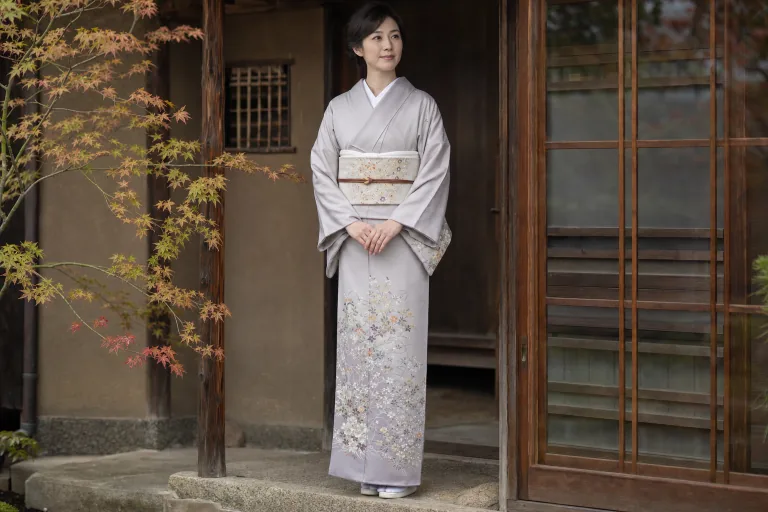
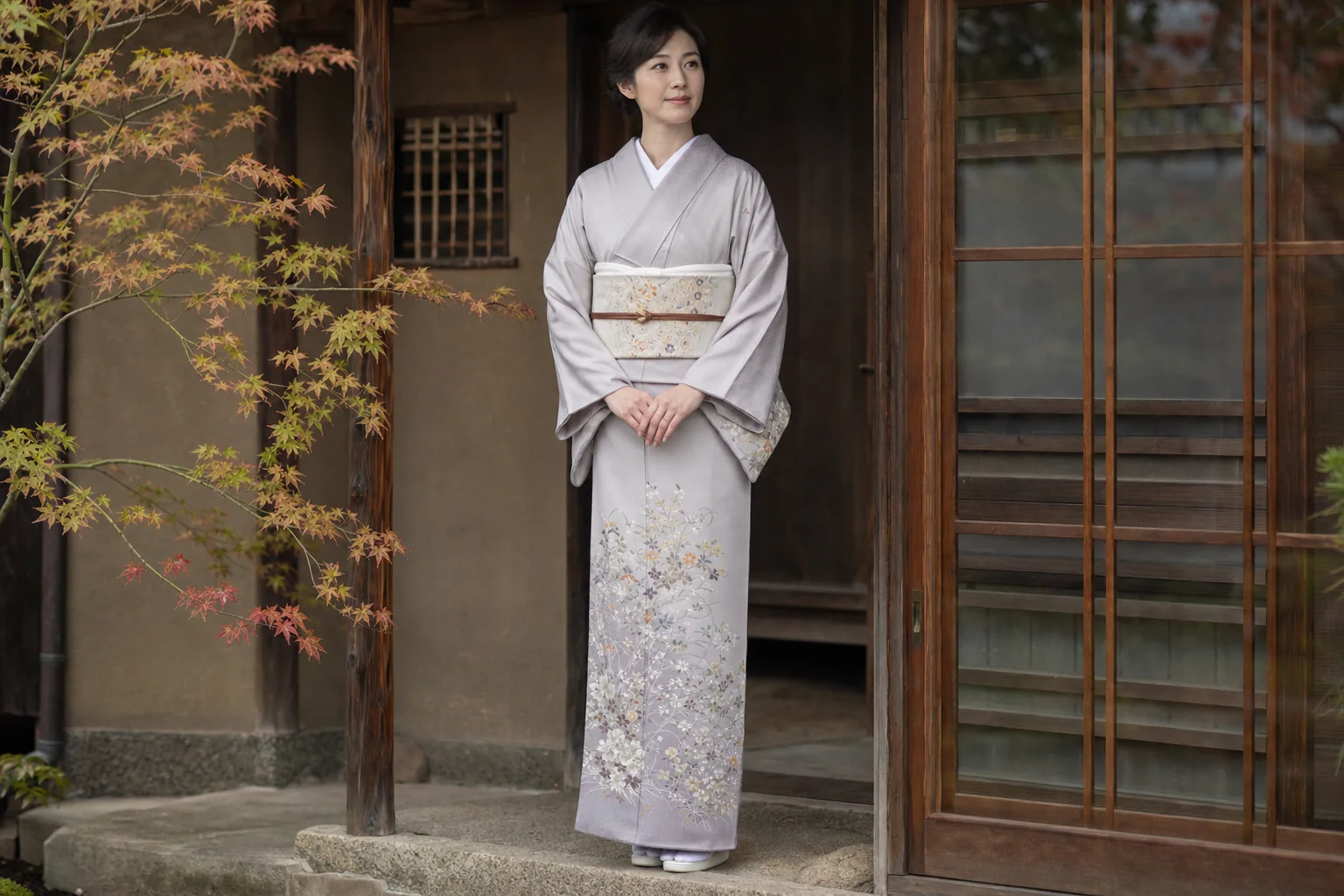
Kimono Try-On preview with layered dressing and obi placement
0 / 2000
Template prompt

Kimono Try-On for a Season-Aware Outfit Preview

Preview a kimono look with the requested collar overlap, sleeve proportion, obi placement, layered dressing, textile motif, and season-aware color direction. Preserve the same person, face, body proportions, pose, lighting, camera angle, and background. Change only the clothing and coordinated accessories.

Kimono Try-On preview with layered dressing and obi placement

What is Kimono Try-On?

Kimono Try-On helps you preview a kimono-inspired look on a source photo. It focuses on clothing changes such as collar overlap, sleeve proportion, obi placement, layered dressing, motif direction, coordinated accessories, and seasonal color mood while preserving the original subject and scene.

What the Kimono Try-On Transformation Does

This template is designed to transform the outfit direction while keeping the original person and scene intact. It is useful for exploring a kimono-inspired visual before refining, sharing, or presenting the image.

What changes

  • Preview a kimono look with the requested collar overlap, sleeve proportion, obi placement, layered dressing, textile motif, and season-aware color direction.
  • Add style-specific details such as kimono formality, sleeve proportion, obi placement, visible layering, coordinated accessories, and textile motif direction.
  • Change only the clothing and coordinated accessories while preserving the same person, face, body proportions, pose, lighting, camera angle, and background.
  • Refine the look with the understanding that kimono formality, motifs, accessories, and dressing conventions depend on season, occasion, age, and garment type.

What stays consistent

  • Preserve the same person, face, body proportions, pose, lighting, camera angle, and background.
  • Keep the main subject recognizable from the source image.
  • Maintain coherent defining colors, pose, silhouette, and important subject details.

Kimono Try-On Workflow

Start with a clear image, define the kimono styling details, then review the preview carefully for both subject consistency and clothing coherence.

1

Choose a suitable source image

Select a sharp source photo where the main subject, pose, body outline, and clothing area are visible enough to support the intended Kimono Try-On result.

2

Define the kimono direction

Describe the kimono look you want: collar overlap, sleeve proportion, obi placement, visible layers, textile motifs, accessories, formality, and seasonal color direction.

3

Review and refine

Check the preview against the source image, paying attention to identity, silhouette, pose, outfit structure, hands, face, fabric edges, and background transitions.

Kimono Try-On Style Variations

Explore different kimono directions by varying formality, sleeve shape, obi styling, visible layers, textile motifs, accessories, and seasonal color palettes.

Kimono Try-On with structured obi placement and layered dressing

Classic Layered Kimono Preview

A refined kimono preview emphasizing balanced collar overlap, structured obi placement, layered dressing, and a coordinated seasonal palette while preserving the original subject.

Kimono Try-On with seasonal colors and textile motifs

Seasonal Motif Kimono Preview

A softer Try On direction with decorative textile motifs, proportionate sleeves, coordinated accessories, and colors chosen to match the intended season and mood.

Ways to Use Kimono Try-On

Use Kimono Try-On when you need a focused clothing preview that keeps the source subject recognizable while exploring a specific kimono visual direction.

Personal and creative previews

Create a focused Kimono Try-On preview for a personal moodboard, costume exploration, character reference, portrait concept, or creative project.

Visual direction comparison

Compare collar overlap, sleeve proportion, obi placement, layered dressing, motifs, accessories, and seasonal colors before refining or presenting the image direction.

How to Get a Better Kimono Try-On Result

A strong direction describes both the garment and what must stay unchanged. Include the kimono type or mood, collar overlap, sleeve length, obi style and placement, visible layers, textile motifs, accessories, and seasonal color palette.

Source image checks

  • Use a sharp source image with the main subject clearly visible.
  • Avoid heavy blur, blocked details, extreme crops, or confusing overlaps.
  • Choose a source whose pose and framing support the intended Kimono Try-On result.

Prompt guidance

Preview a kimono look with the requested collar overlap, sleeve proportion, obi placement, layered dressing, textile motif, and season-aware color direction. Preserve the same person, face, body proportions, pose, lighting, camera angle, and background. Change only the clothing and coordinated accessories.

What to Review Before Using the Preview

Before using the preview, look closely at both the preserved subject details and the changed clothing areas. The result is a visual draft and may need a clearer source image or more specific direction.

Subject consistency

Compare the face, posture, body proportions, pose, and overall silhouette with the source image so the person remains recognizable.

Kimono look coherence

Check that the collar overlap, sleeves, obi placement, layered dressing, motifs, and seasonal color direction look coherent across the whole outfit.

Detail review

Inspect faces, hands, hair edges, fabric borders, small accessories, text, background transitions, and detailed patterns for visible artifacts.

Kimono Try-On FAQ

Common questions about choosing a source image, directing the look, and reviewing the final visual draft.

What is Kimono Try-On?
Kimono Try-On is a visual preview for seeing how a kimono look could appear on a subject in an existing image. It changes the clothing and coordinated accessories while keeping the person, pose, lighting, camera angle, and background consistent.
What photo works best?
Use a sharp, clear photo where the subject is visible from enough of the body to support the intended kimono shape. Avoid heavy blur, blocked clothing areas, extreme crops, and complex overlaps that make the garment outline hard to interpret.
Is the preview historically or ceremonially exact?
No. The result is a creative visual preview, not authoritative historical, ceremonial, or dressing guidance. Kimono formality, motifs, accessories, and dressing conventions can depend on season, occasion, age, and garment type.
What does Kimono Try-On change?
It changes the outfit direction: collar overlap, sleeves, obi placement, layering, textile motif, seasonal color palette, and coordinated accessories. It should not change the person’s identity, facial features, pose, body proportions, lighting, camera angle, or background.
Which source image works best?
Choose an image with a clear subject, stable lighting, and enough framing to show the areas affected by the kimono and obi. A front-facing or three-quarter pose often makes collar, sleeve, and waist details easier to preview.
How do I keep the subject recognizable?
Start with a source image where the face, posture, and body outline are easy to see. In your direction, state that the same person, face, body proportions, pose, lighting, camera angle, and background should be preserved.
What should I review before using the result?
Review the subject identity, silhouette, pose, collar area, sleeve shape, obi placement, hands, face, small accessories, and background transitions. Look for artifacts around fabric edges, fingers, hair, and detailed textile motifs.

Ready to Try a Kimono Look On Your Photo?

Use a clear source image and guide the kimono look with the formality, motifs, layers, obi position, sleeve shape, and seasonal color direction you want to explore.